The Tumble blog
Plain, sourced guides to training, play, behaviour and health, written for real homes with real cats and dogs.
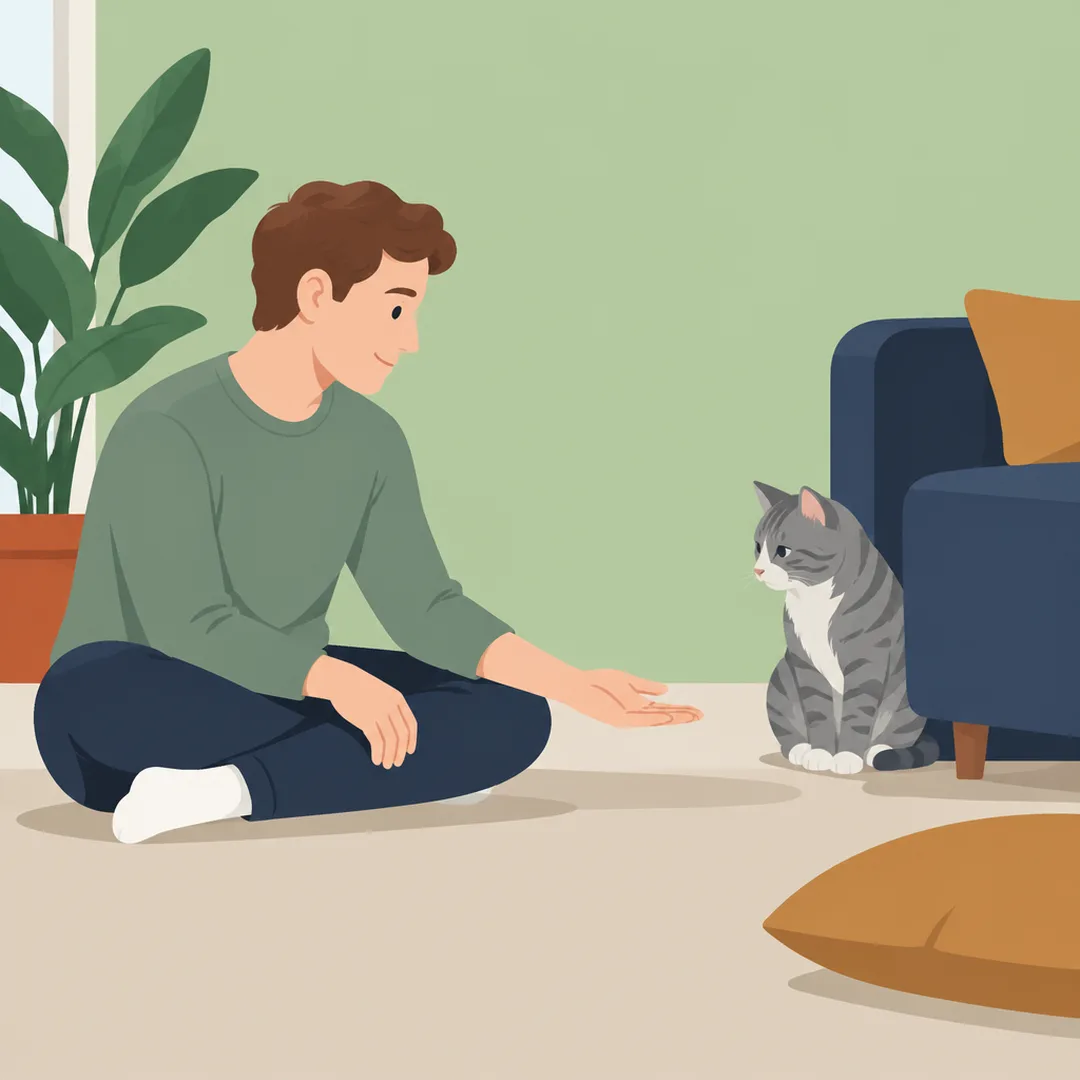
Why cats bite and scratch: the main types of aggression
Most cat aggression is fear, play, pain or frustration, not spite. Learn the common types, what triggers each, and safe ways to reduce it.
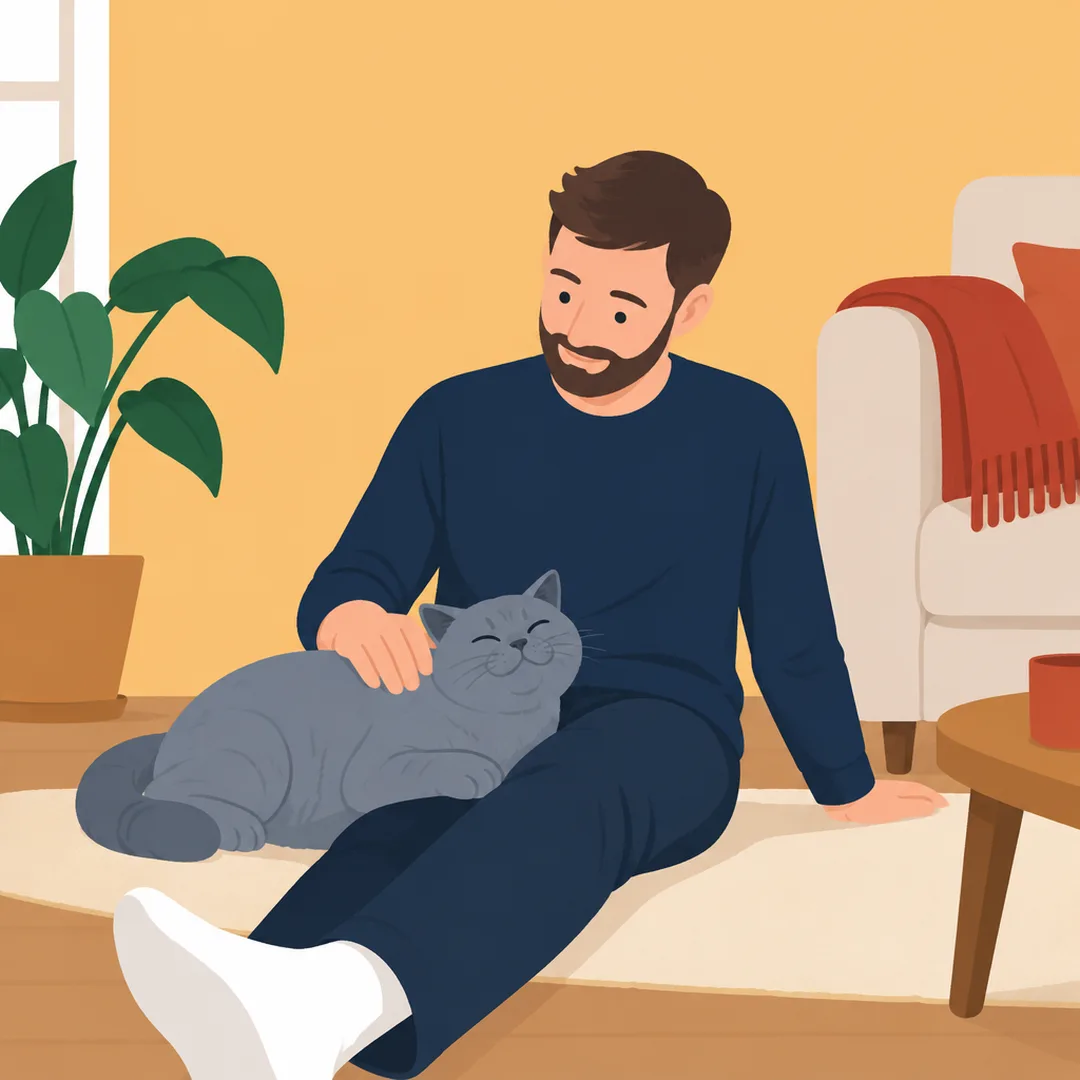
Do cats love us? The science of attachment
Cats are not aloof. Research shows many form secure bonds with their people, recognise our voices and read our moods. Here is what the studies say and how to build a strong bond.
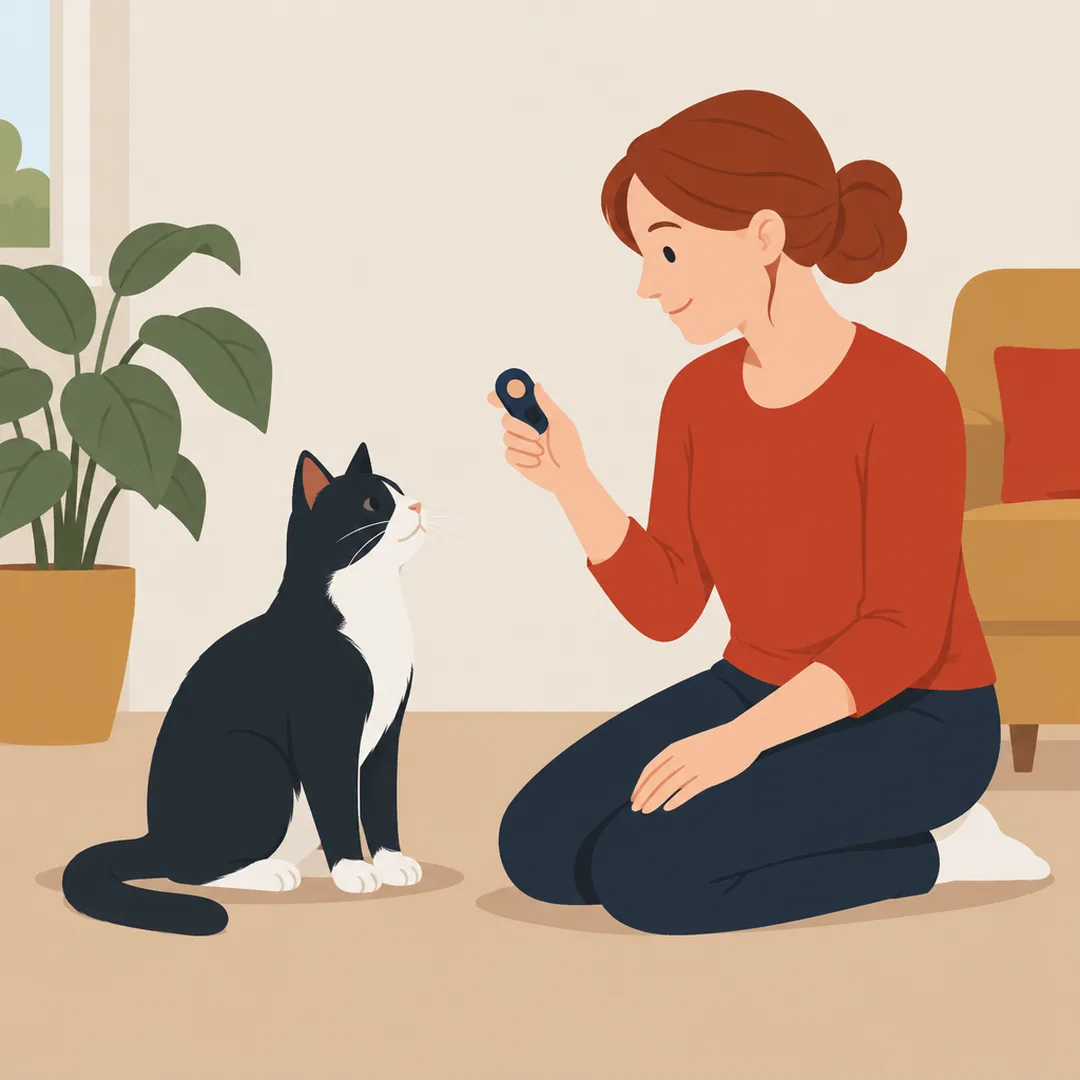
Choosing a marker: clicker, soft click or word
Some cats love the clicker; others flinch at it. Compare box clickers, soft clickers, pen clicks, tongue clicks and verbal markers, and pick the right one for your cat.
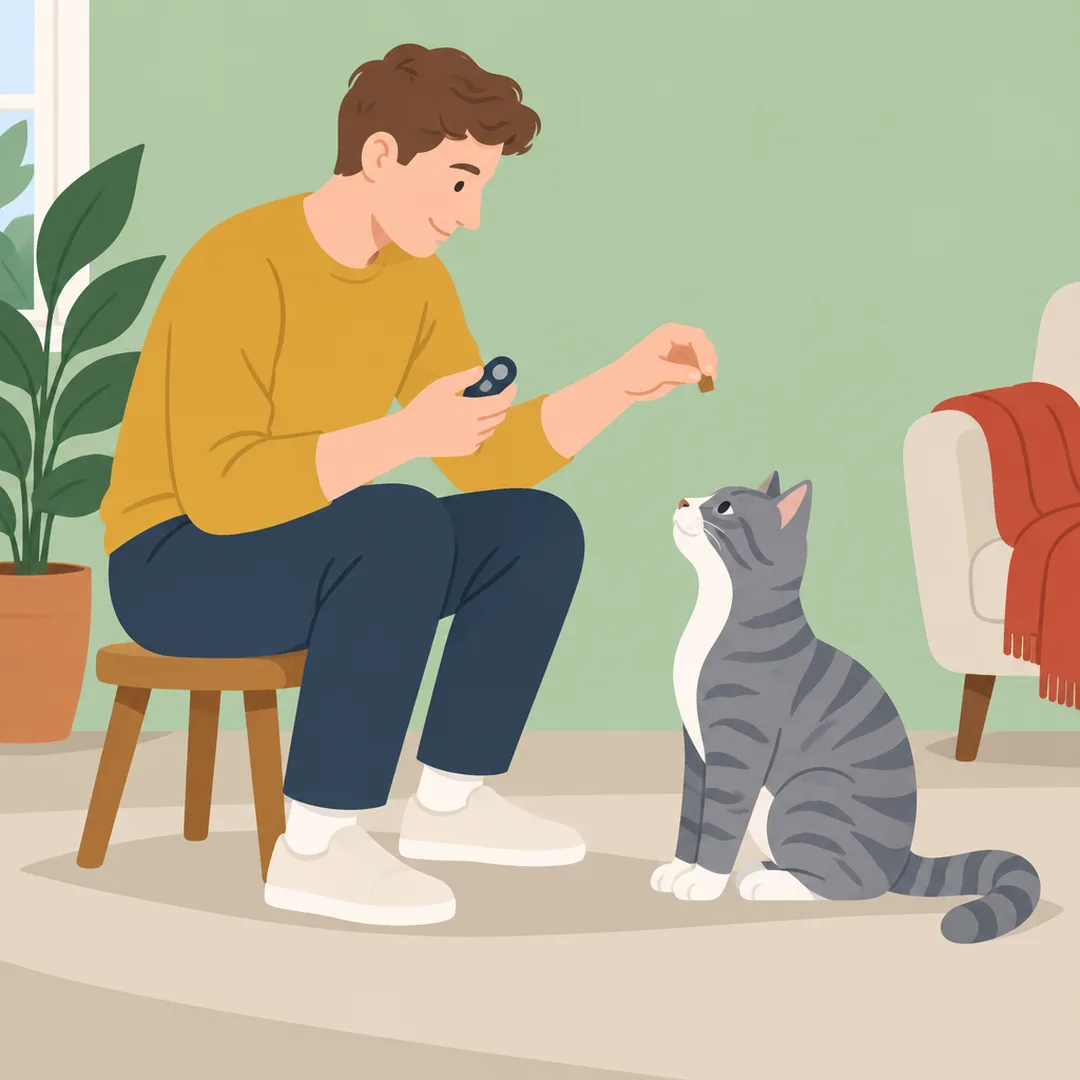
Clicker training basics for cats
How a clicker works, how to 'charge' it, timing, treat delivery and the most common beginner mistakes. Everything you need before your first lesson.
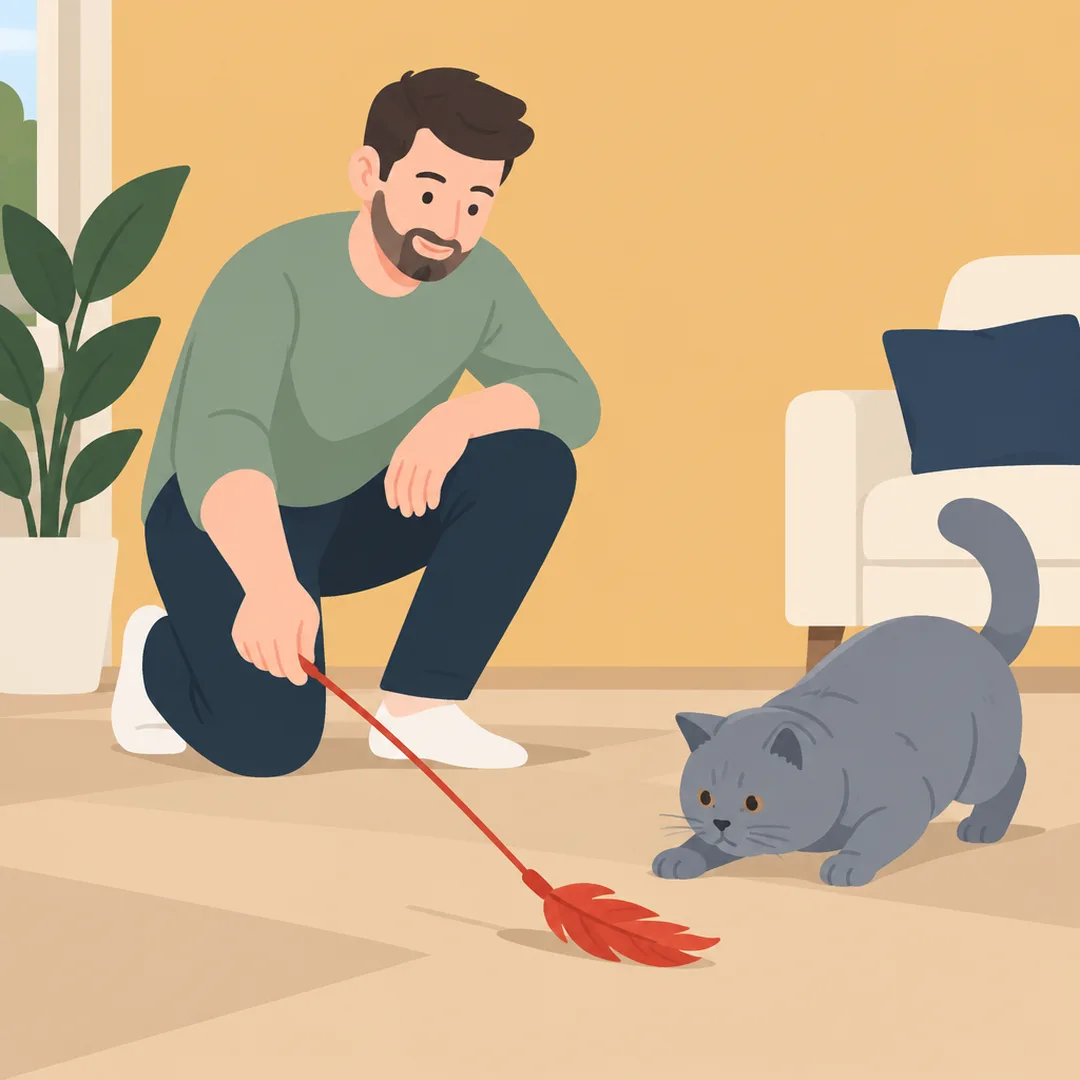
The hunting sequence and how to play right
Every cat is a hunter. Learn the hunt-catch-kill-eat-groom-sleep sequence and use it to plan play sessions that actually tire your cat out and settle them.
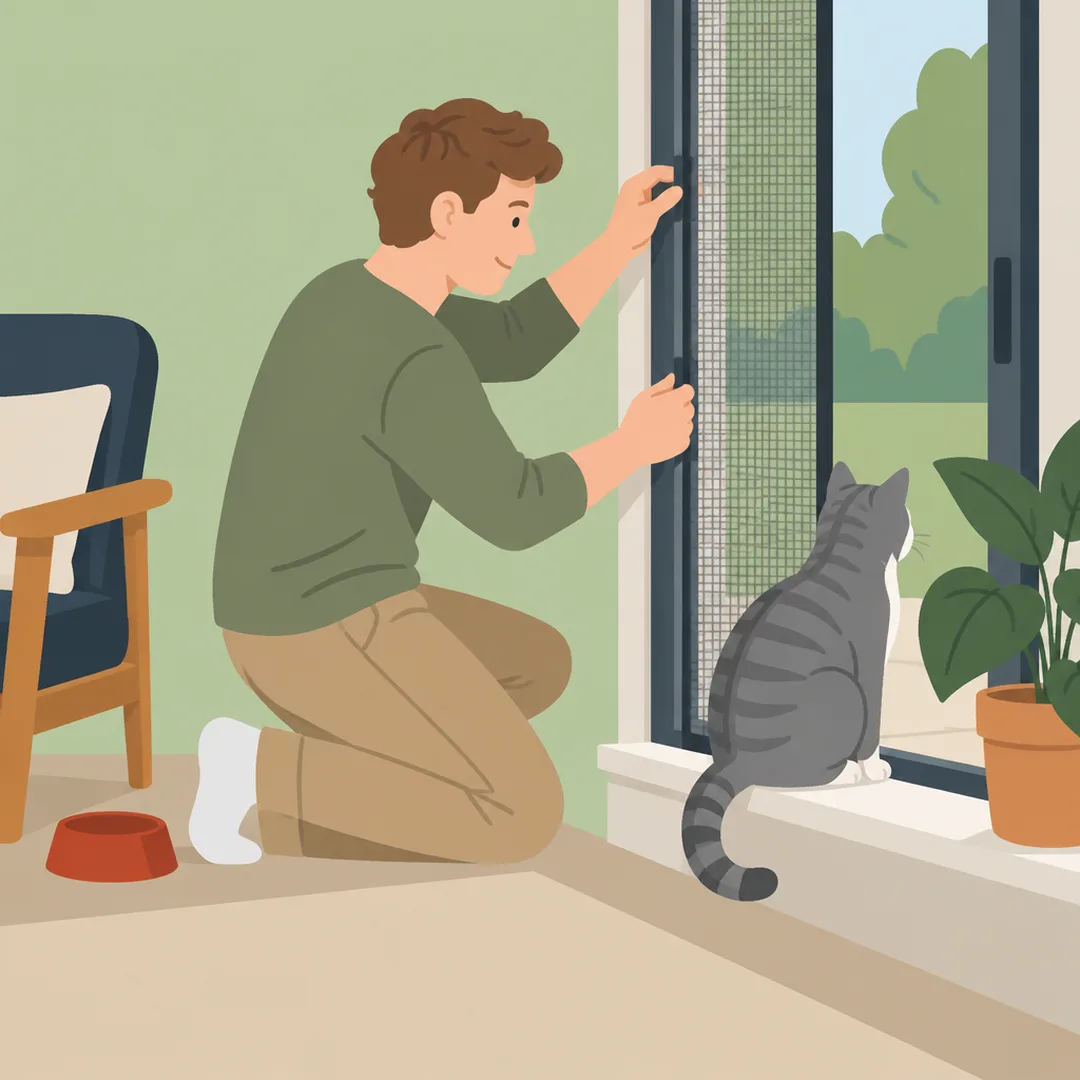
Indoor or outdoor
Weigh the safety risks of indoor life against the freedom and stimulation of outdoor access, and learn how to make either choice work for your cat.
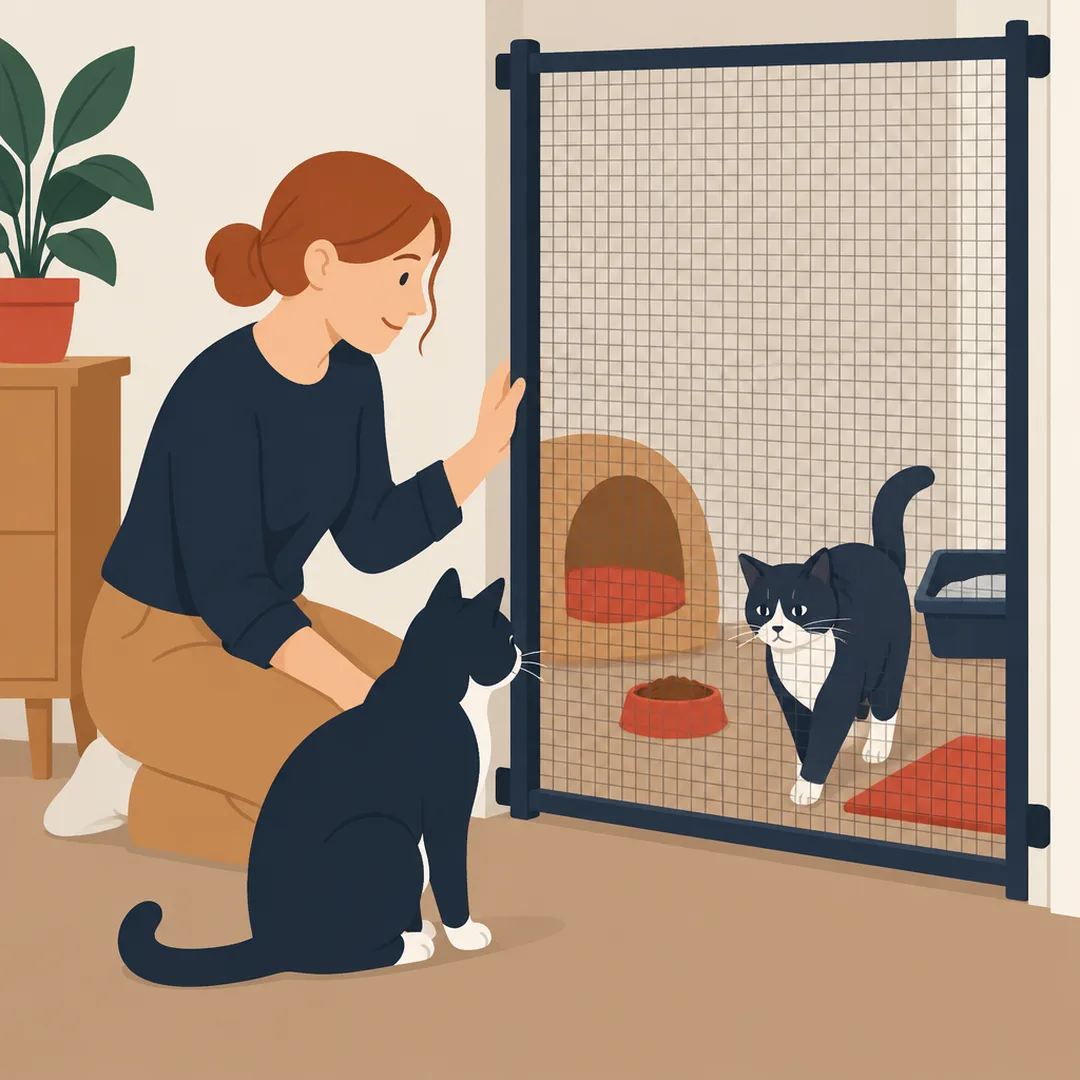
Introducing a new cat
A calm, scent-first plan for bringing a new cat home, from the first safe room to short supervised meetings and a home set up to prevent conflict.
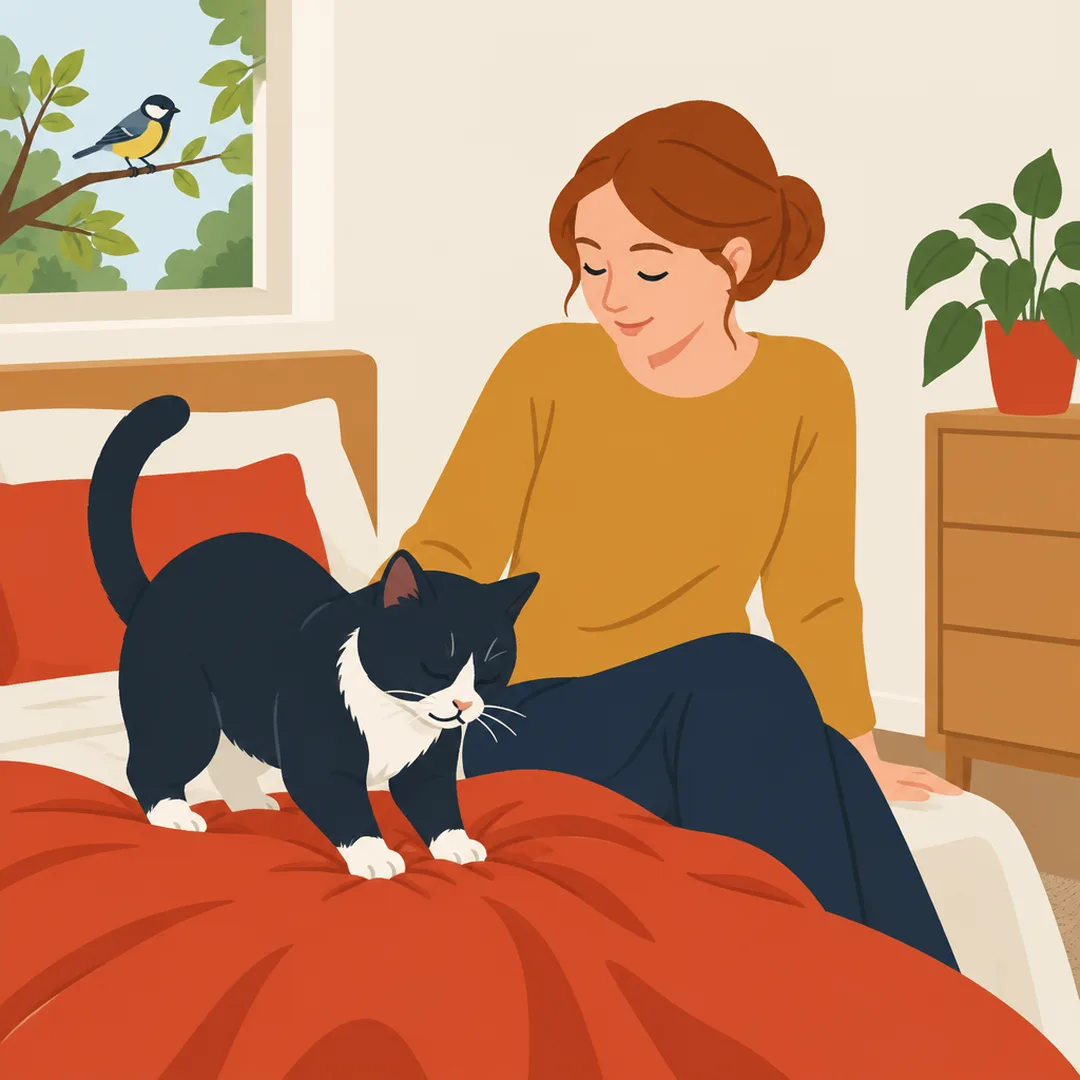
Kneading, bunting and other cat quirks
Why cats knead blankets, push their heads into you, chatter at birds, bring you 'gifts' and sniff with their mouths open. The science behind everyday cat oddities.
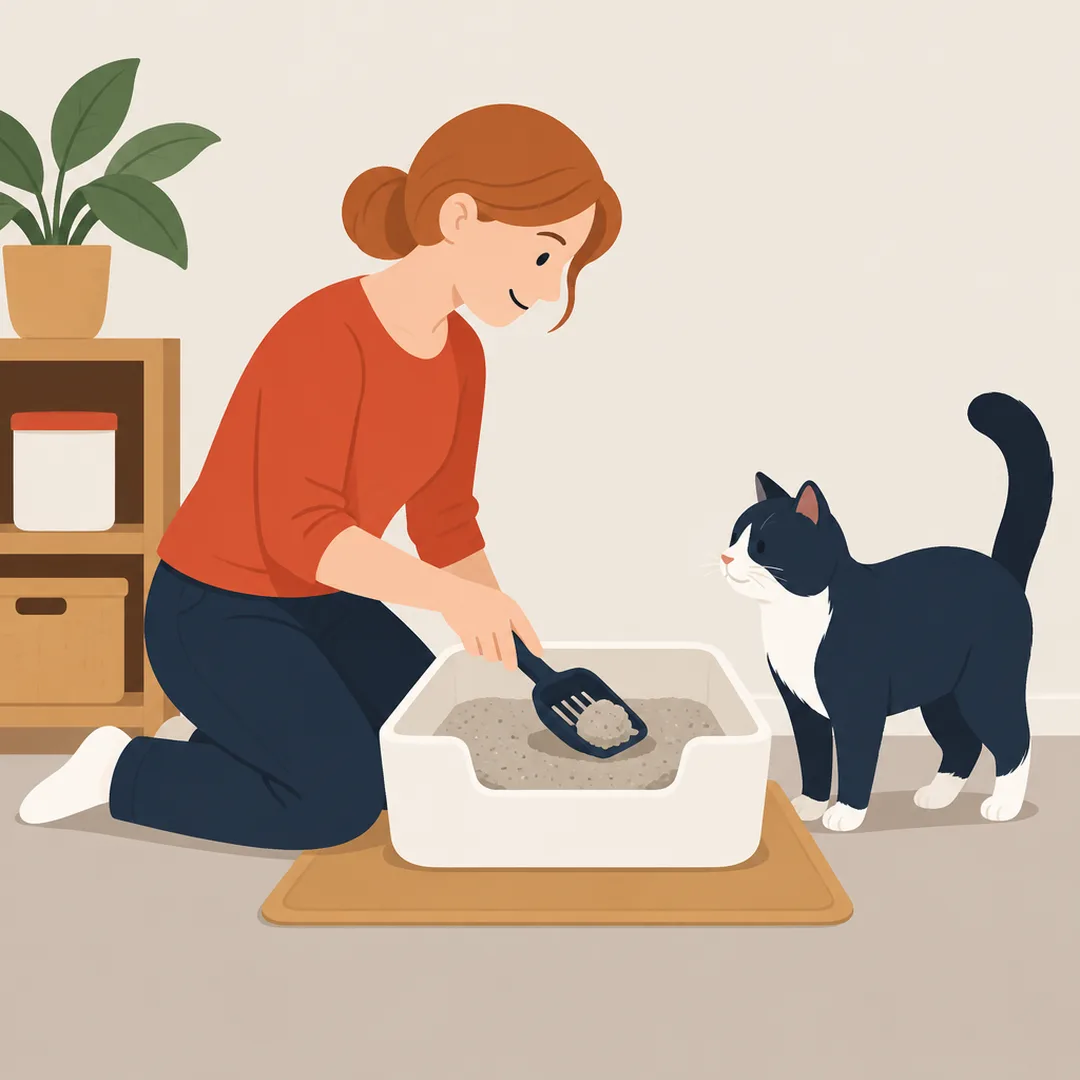
Litter box setup
How many boxes your cat needs, where to put them, which litter to use and how often to clean, so your cat keeps using the box instead of finding somewhere else.
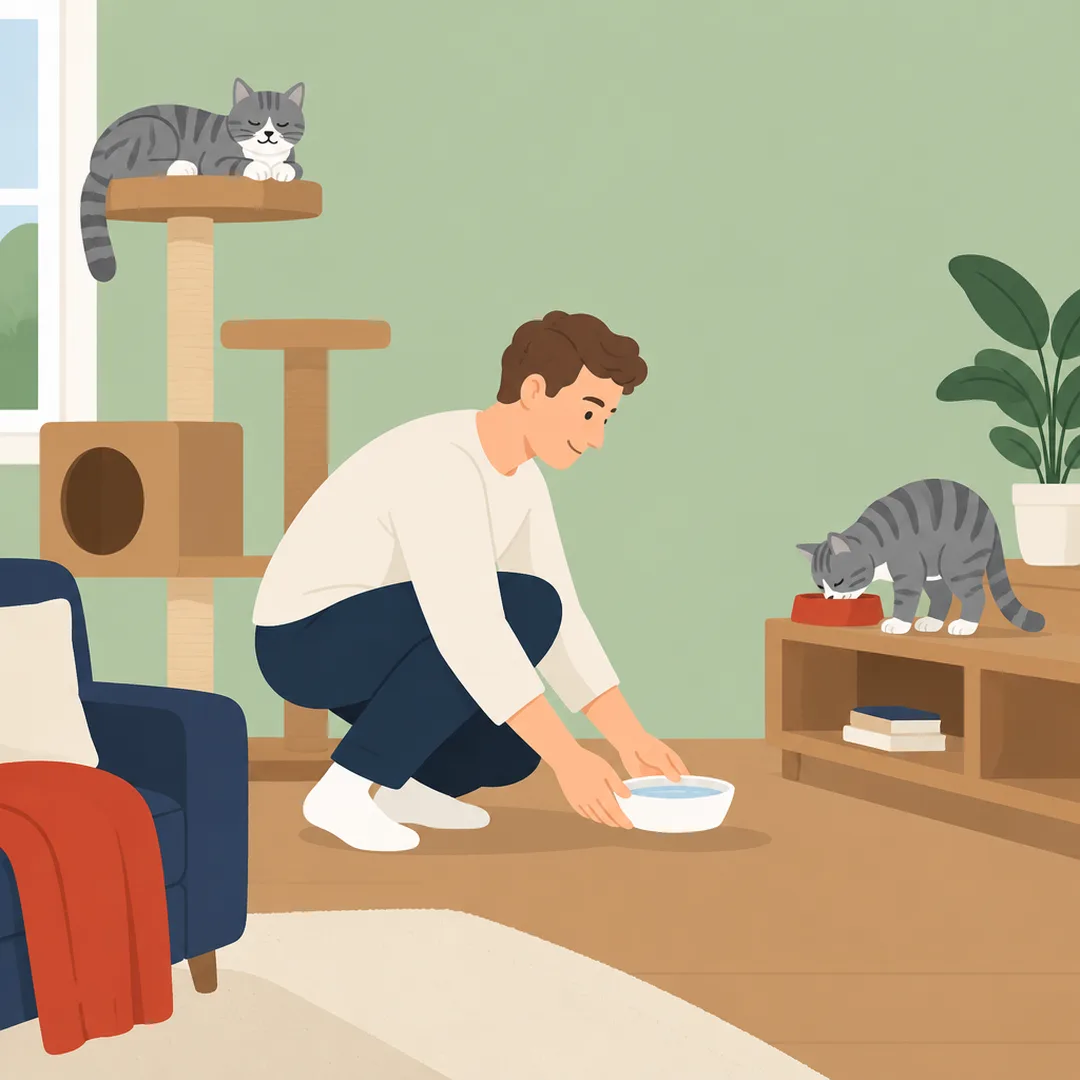
Multi-cat harmony
Peaceful multi-cat homes come from enough spread-out resources, space to avoid each other, and calm routines. Learn how to set up your home and what to do when tension turns into fighting.
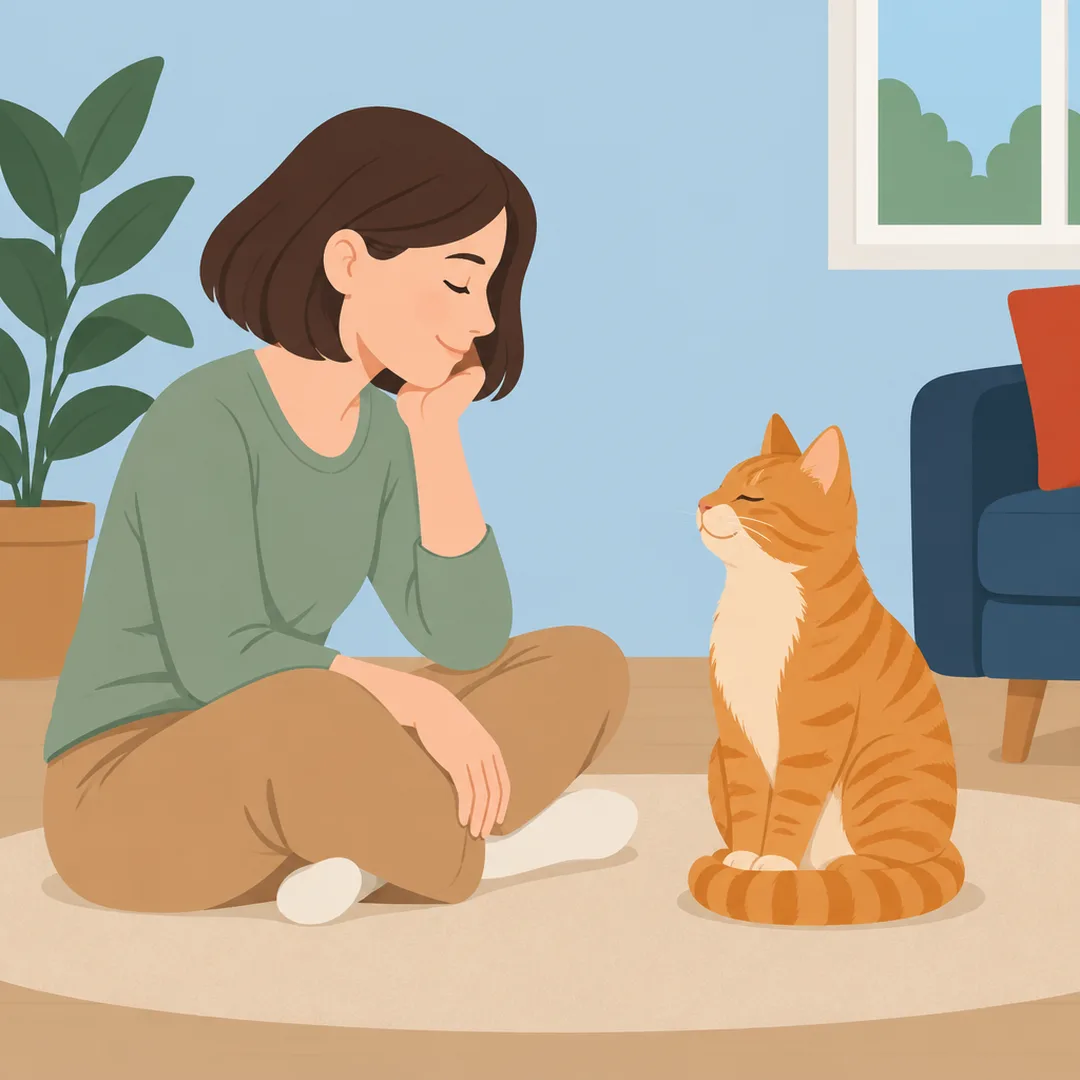
Reading your cat's body language
Cats talk mostly with their ears, eyes, tail and posture. Learn to read the whole cat so you know when to approach, when to play and when to give space.
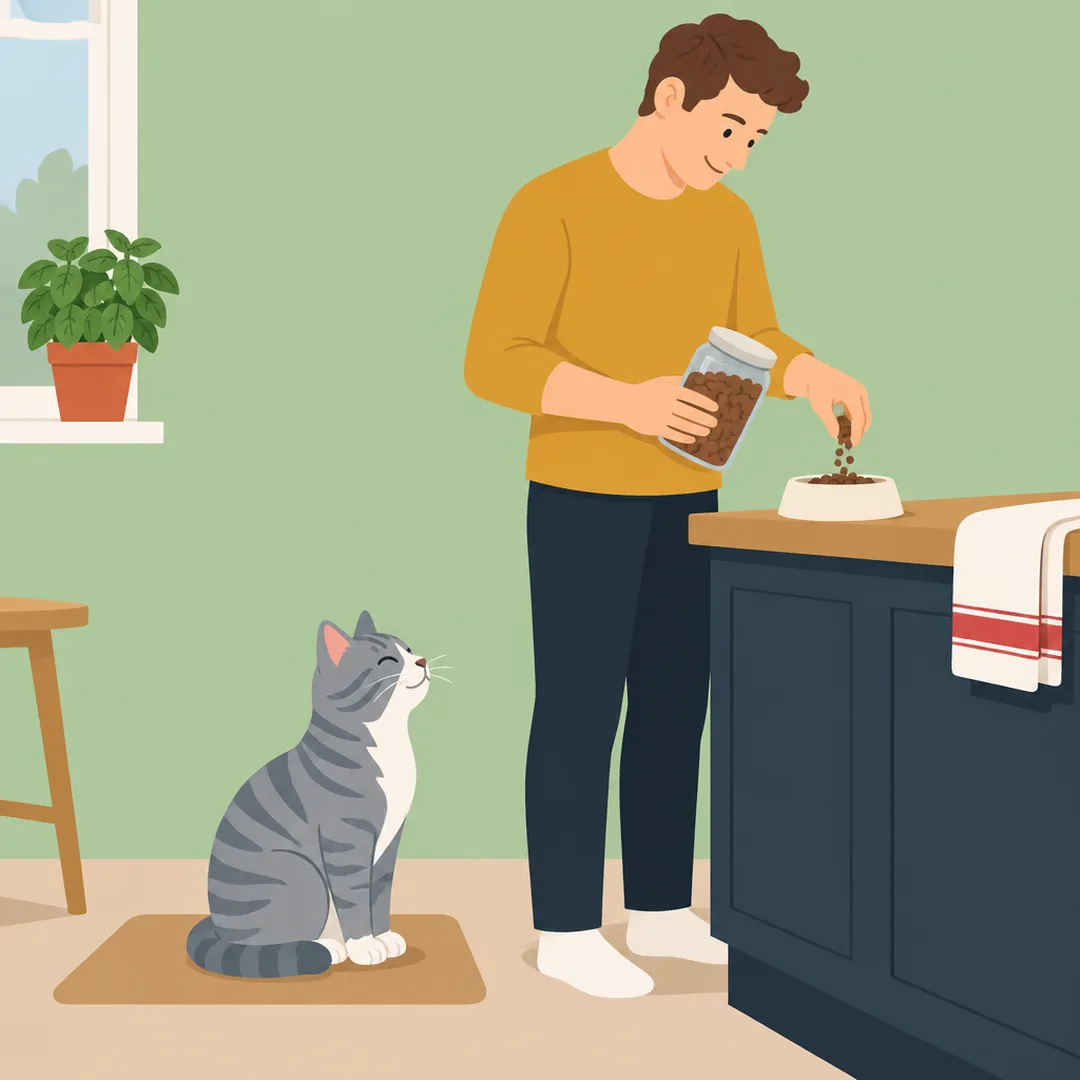
Why routines matter to cats
Cats thrive on predictability. A simple daily rhythm of meals, play, rest and care lowers stress and can even affect health. Here is how to build one that fits your life.
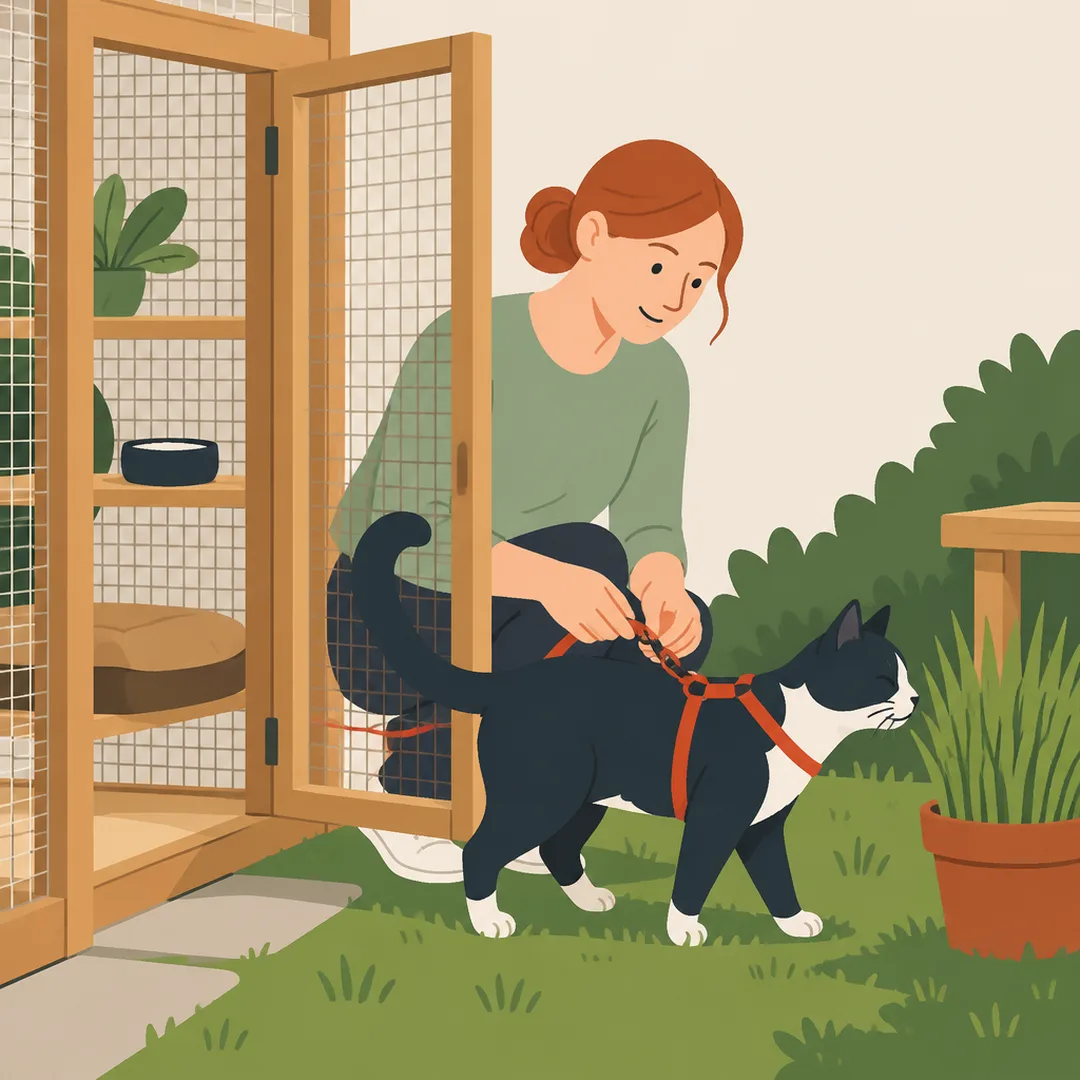
Safe outdoor time
Catios, harness and lead walks, and supervised garden time all give your cat fresh air and new smells. Here is how to set each up safely, what to check first, and when to stop.
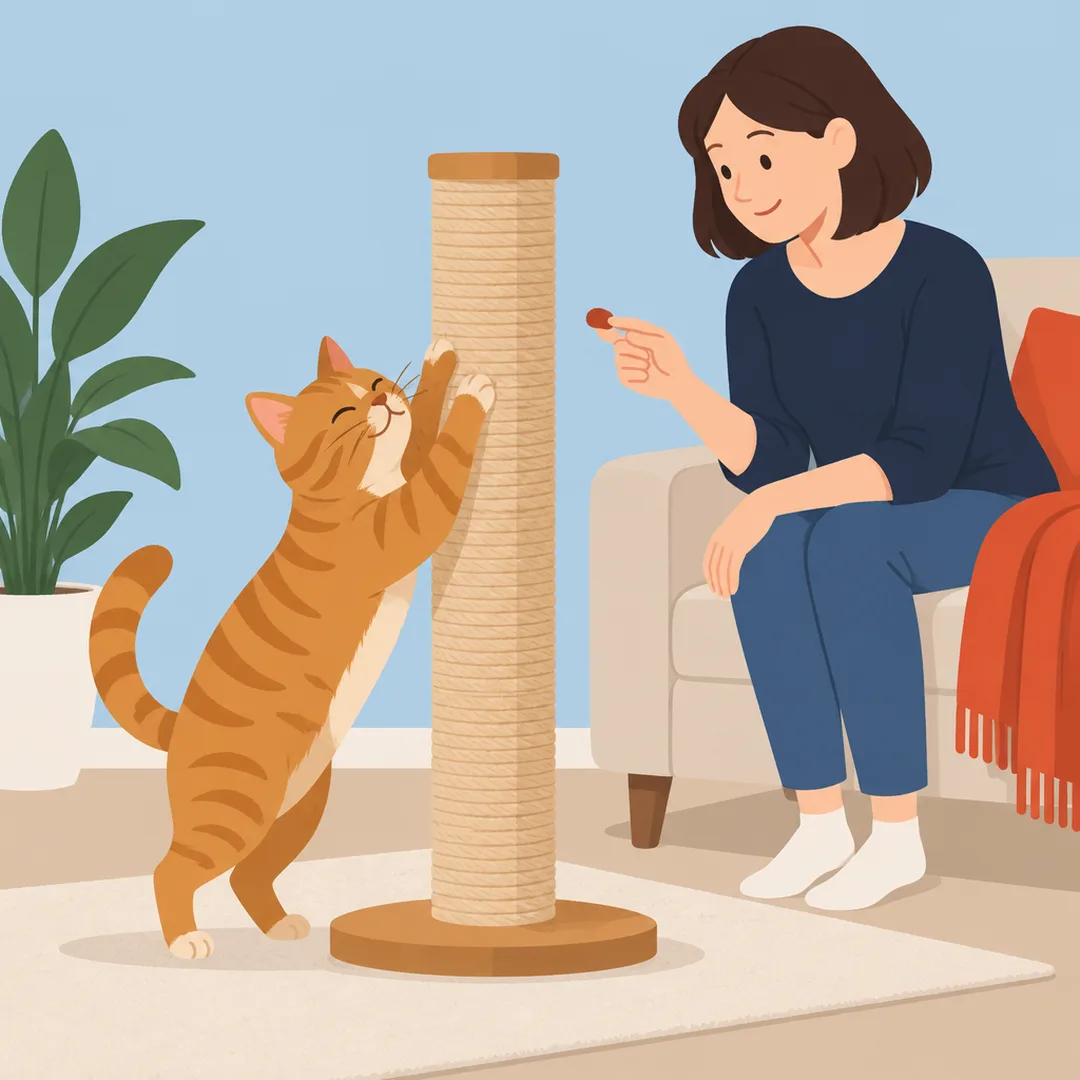
Scratching: why cats do it and how to save your sofa
Scratching is normal, healthy cat behaviour. Choose the right posts, put them in the right places and reward your cat for using them.
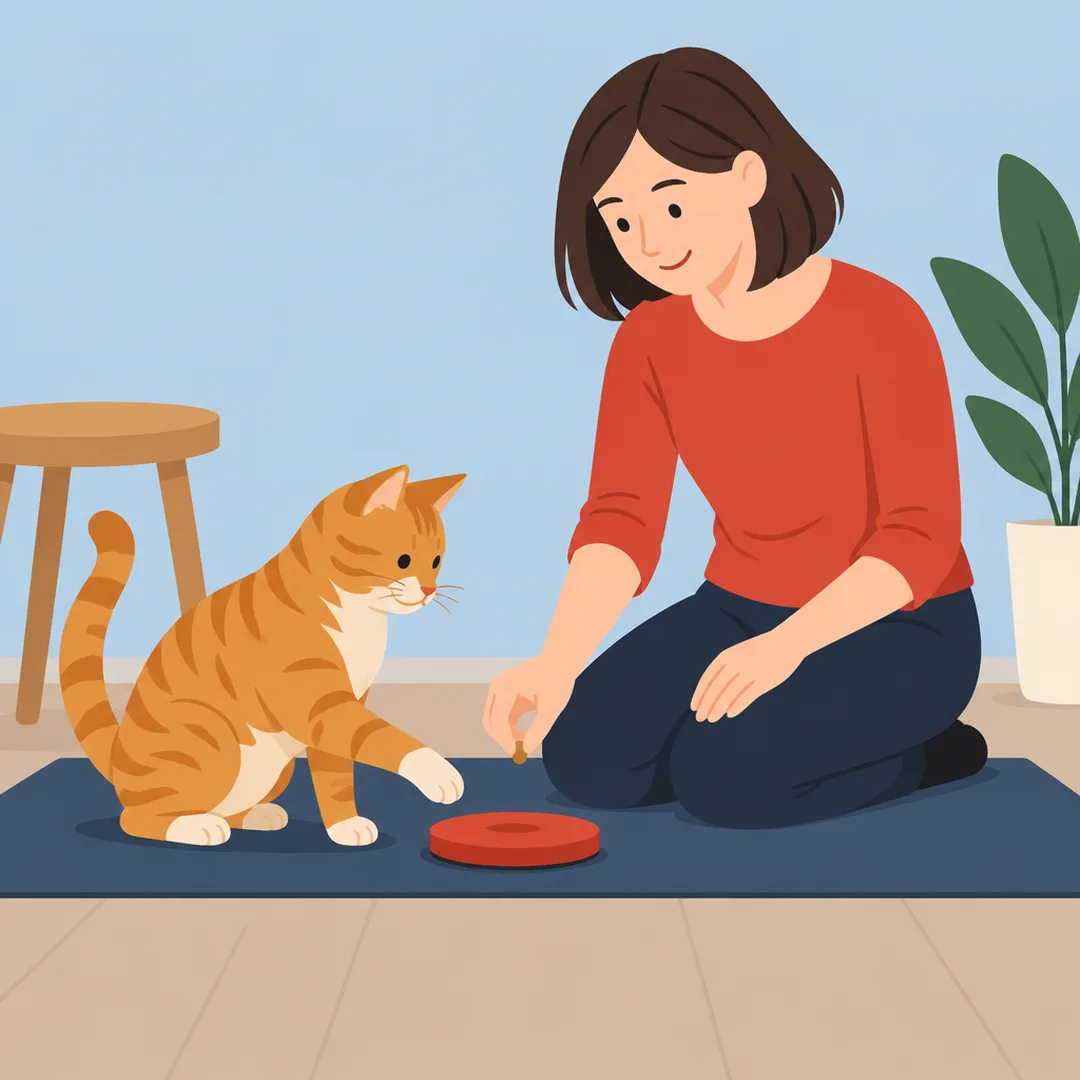
Shaping: building behaviours one small step at a time
Shaping means rewarding tiny steps toward a goal. Learn how to split a behaviour into steps, when to raise the bar, and how to free-shape your cat's first trick.
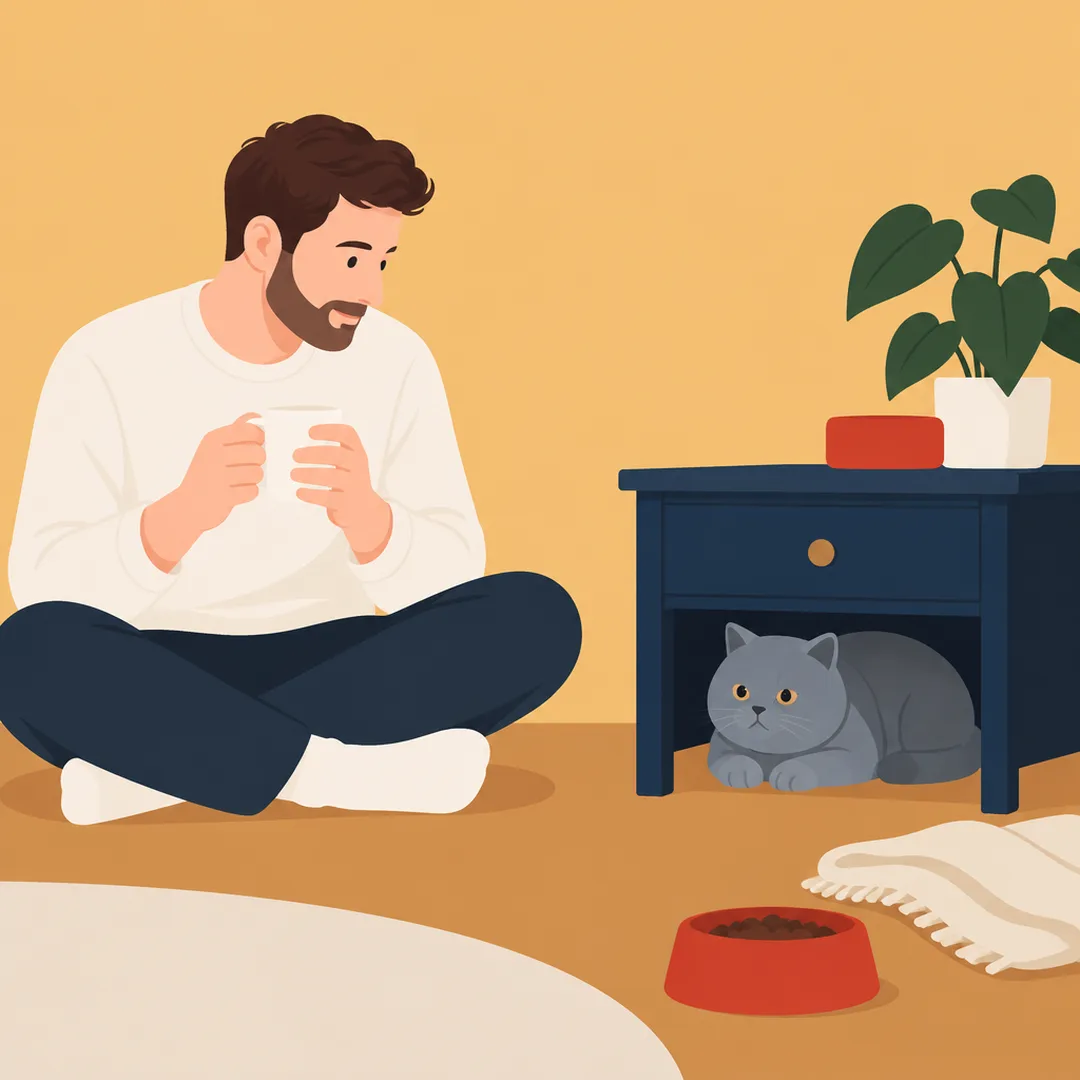
Stress and hiding: helping an anxious cat
Hiding is how cats cope. Learn the signs of stress, the common causes, and how to make your home feel safe so your cat comes out on their own terms.
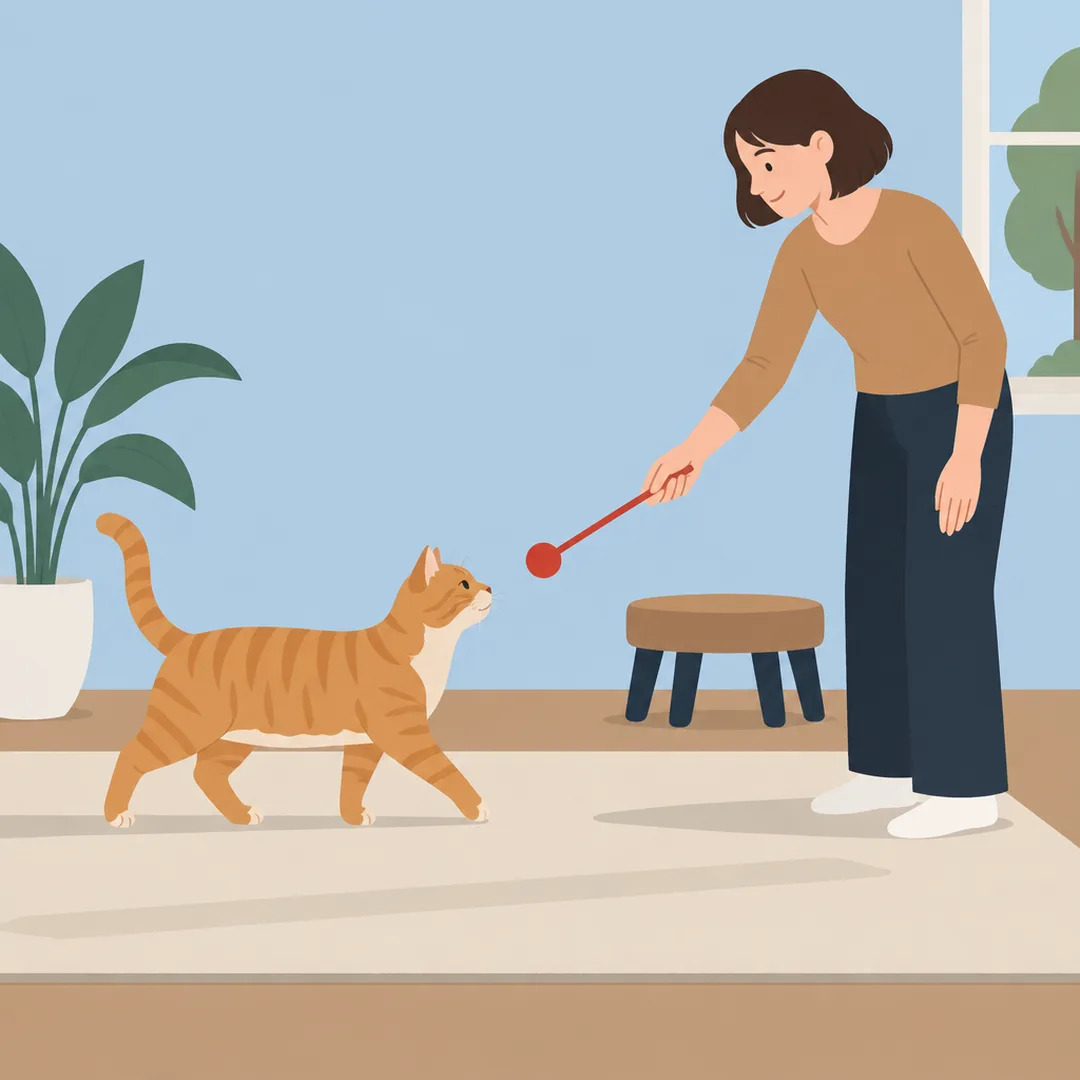
The 3 Ds: duration, distance and distraction
A behaviour is only really learned when it holds up for longer, further away and with things going on. Learn how to build each D separately so your cat succeeds everywhere.
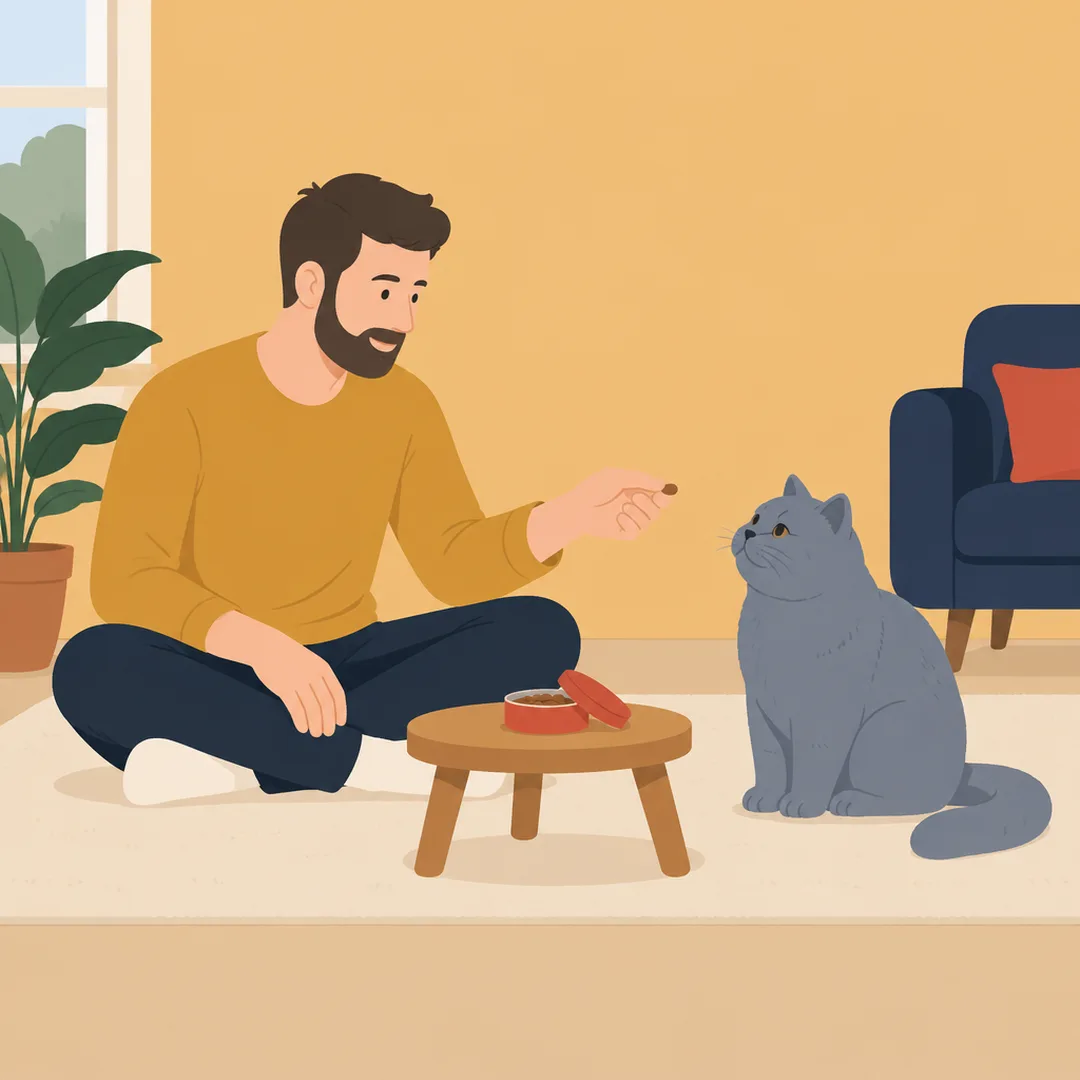
When training stalls: getting past plateaus
Every cat hits a point where progress stops. Find out why, from treat value to session length to hidden pain, and use a simple checklist to get moving again.
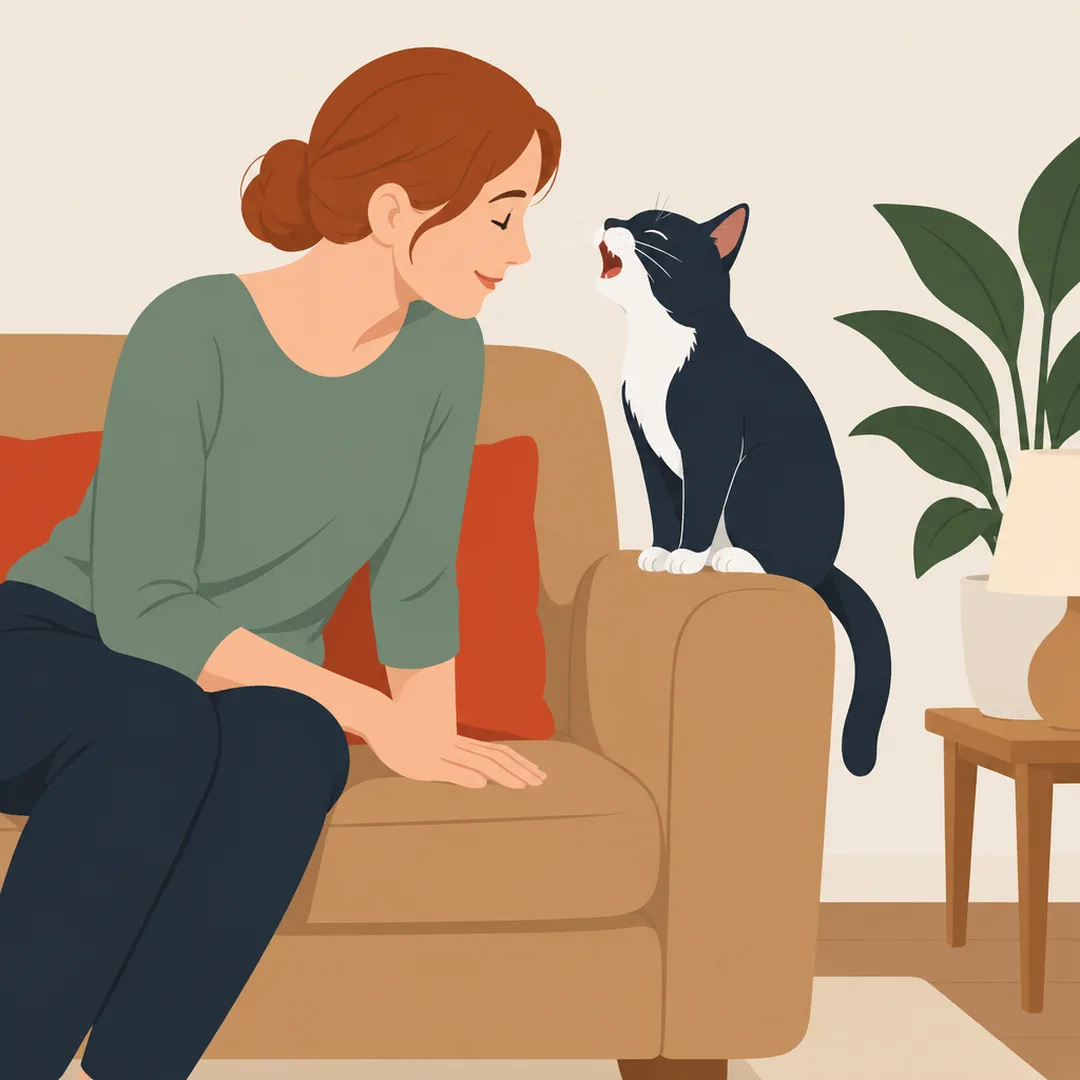
What your cat's sounds mean
Meows, trills, chirps, growls, hisses and yowls each carry a different message. Learn what they mean and when a change in voice is worth a vet visit.
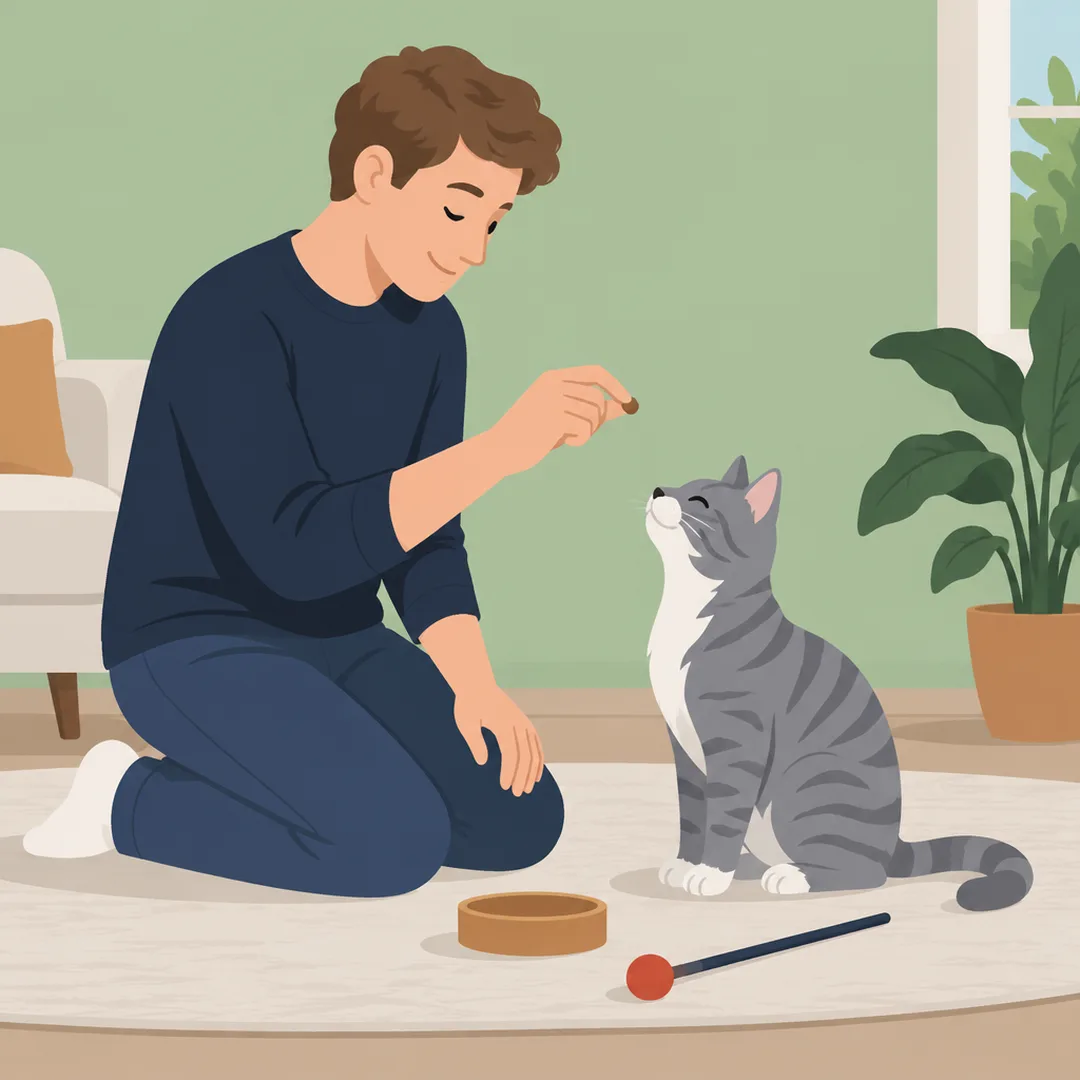
Why train a cat?
Yes, cats can be trained, and they enjoy it. Training with rewards makes vet visits, grooming and daily life easier, and gives your cat's brain a workout.
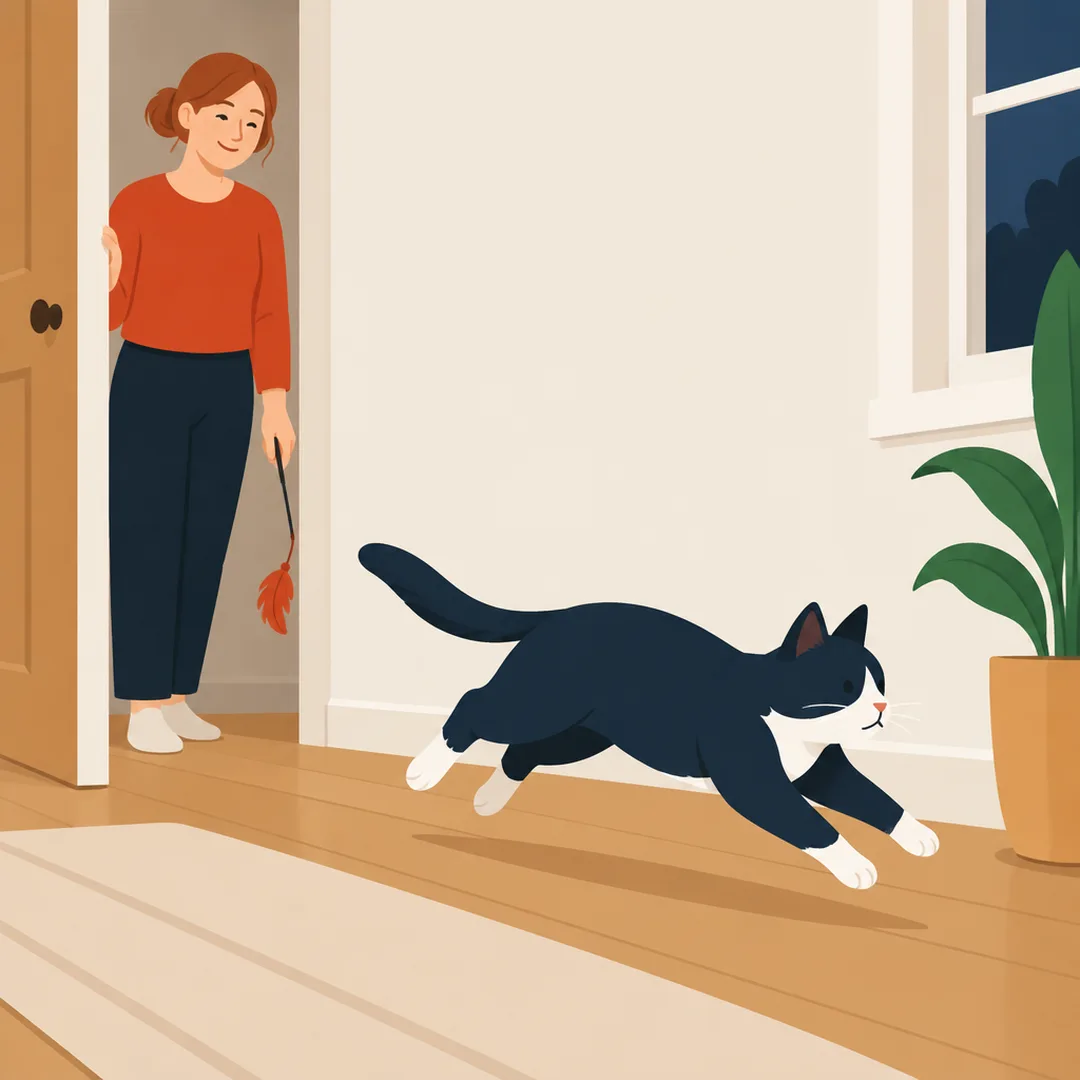
Zoomies and the midnight crazies
Sudden bursts of racing around are usually normal energy release. Learn what drives the zoomies, how to channel them before bedtime, and the rare signs that point to a health problem.
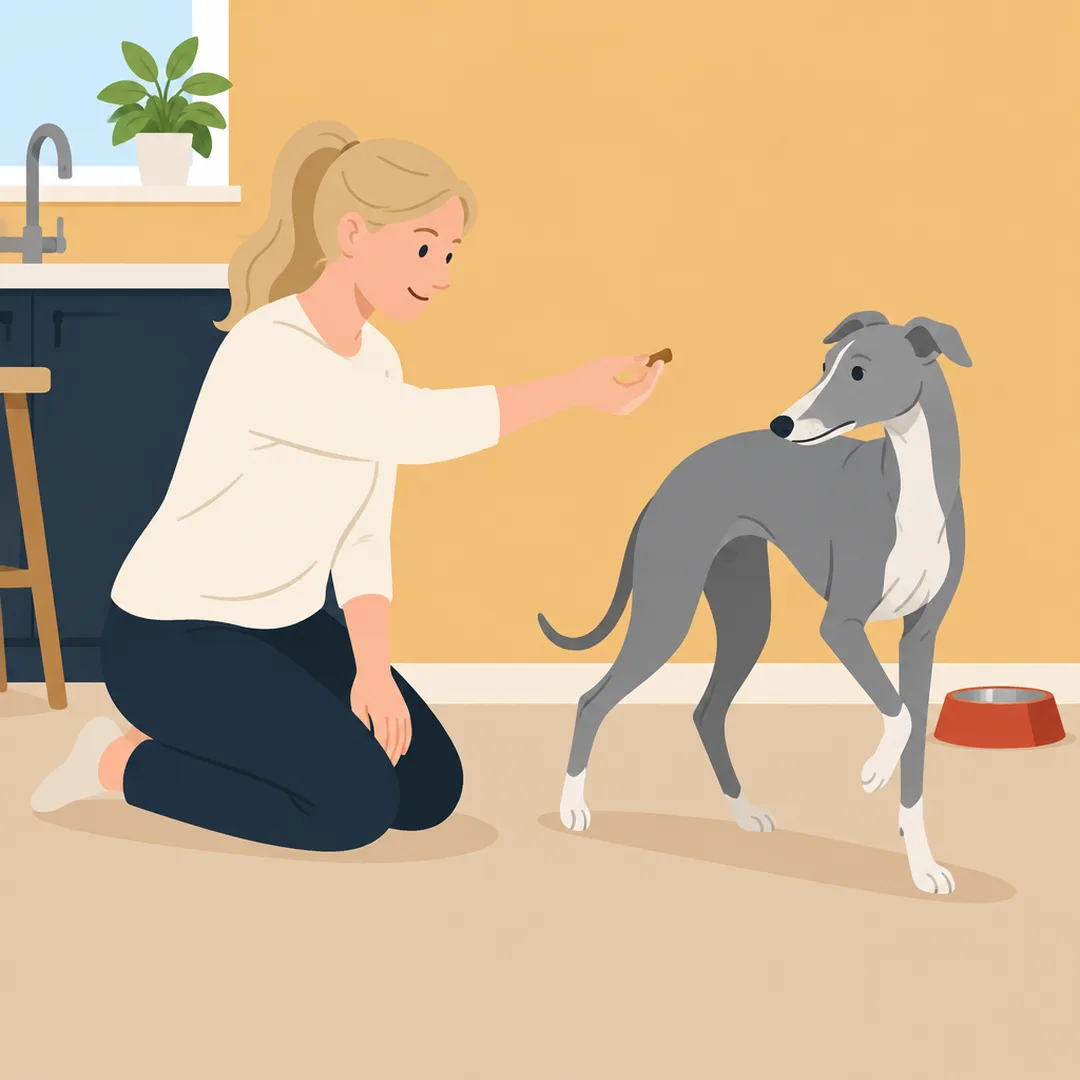
Living with an adolescent dog
Your puppy is suddenly tall, fast and seems to have forgotten every cue. What changes in the teenage months, why training slips, and how to stay consistent until your dog matures.
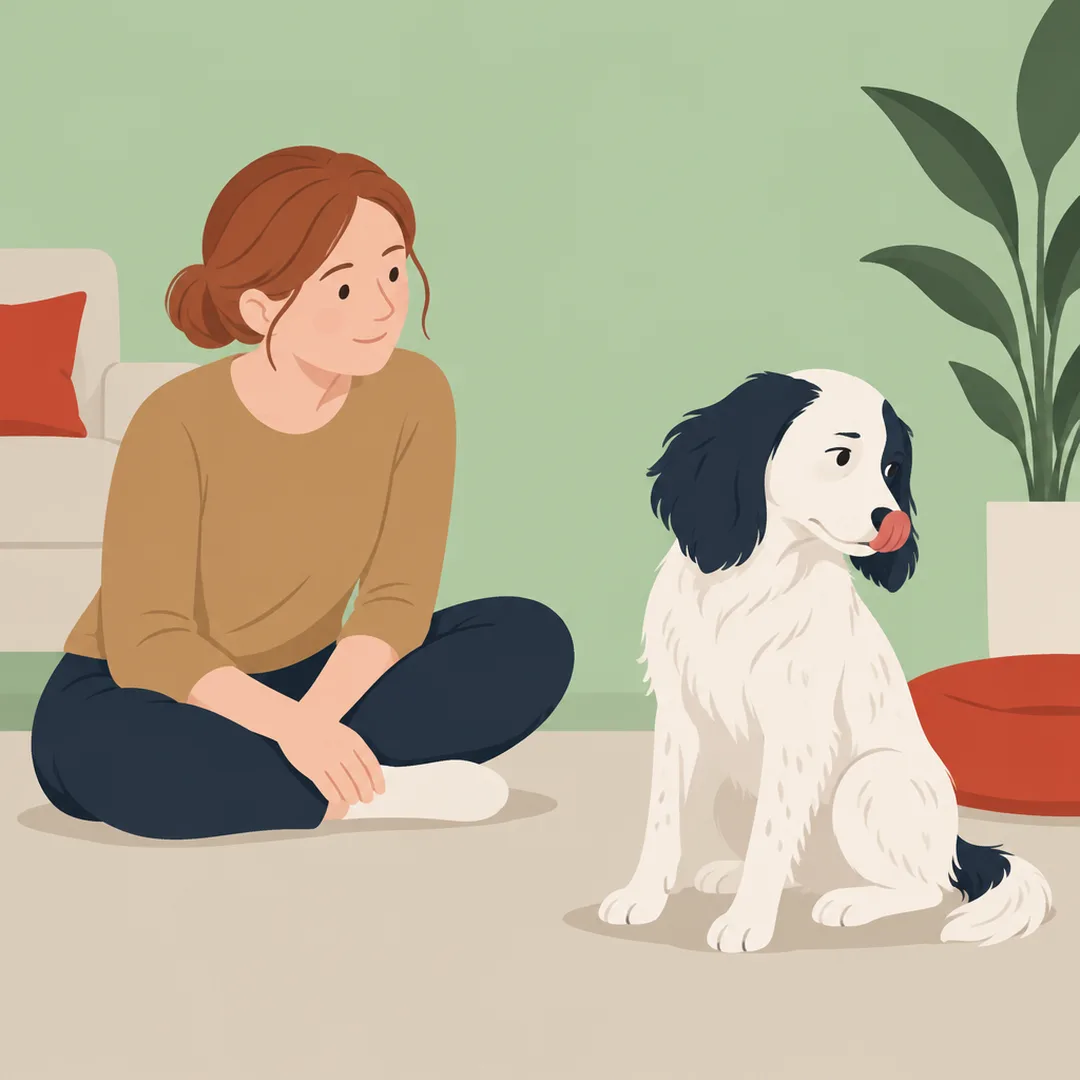
Reading your dog's body language and calming signals
Dogs tell you how they feel long before they growl. Learn the small signals of worry, the signs of a relaxed dog, and how to read the whole body in context.
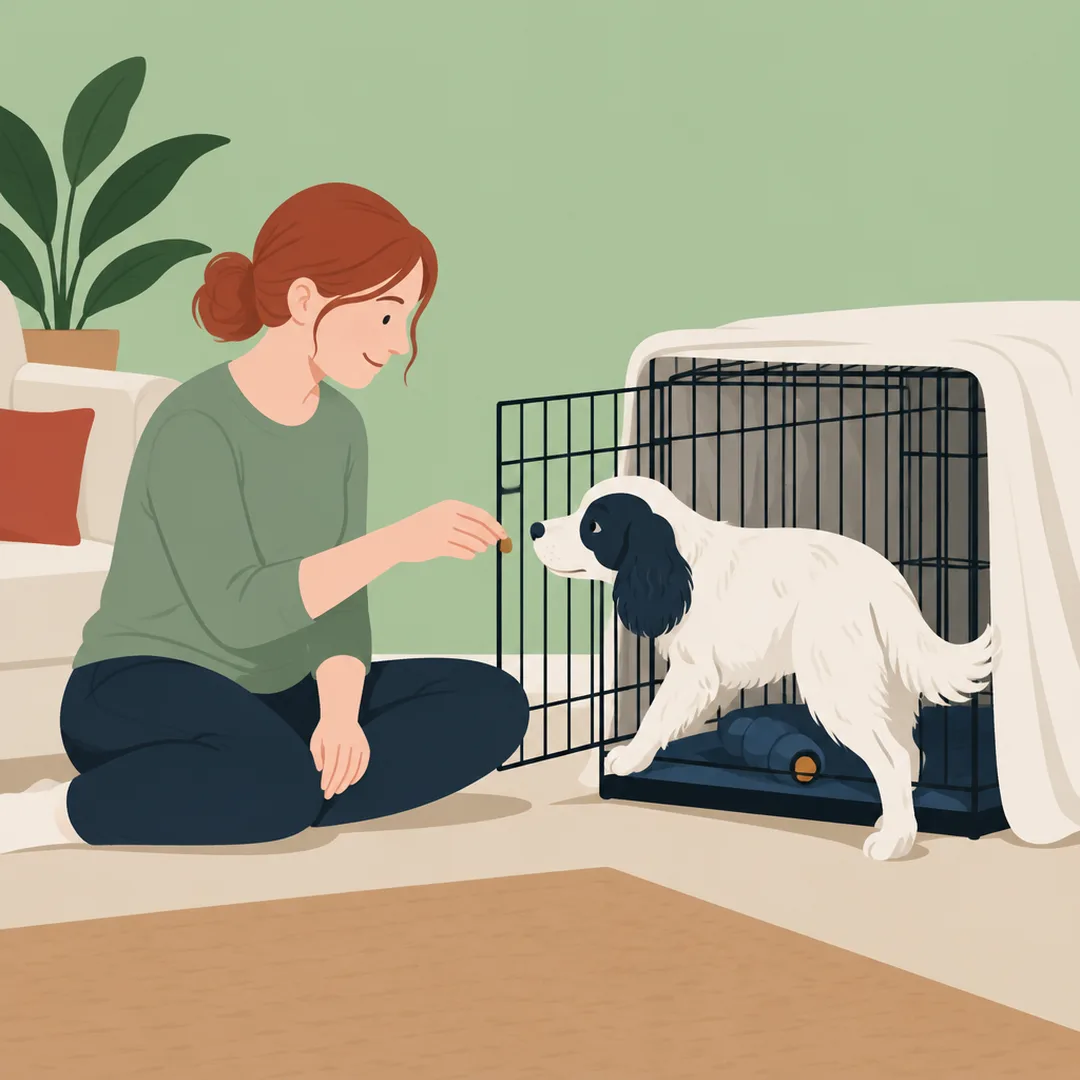
Crate training
A crate can be a safe den your dog naps in, or a scary box if you rush it. Here is how to choose one, build the habit with treats and short sessions, and what to do if your dog panics.
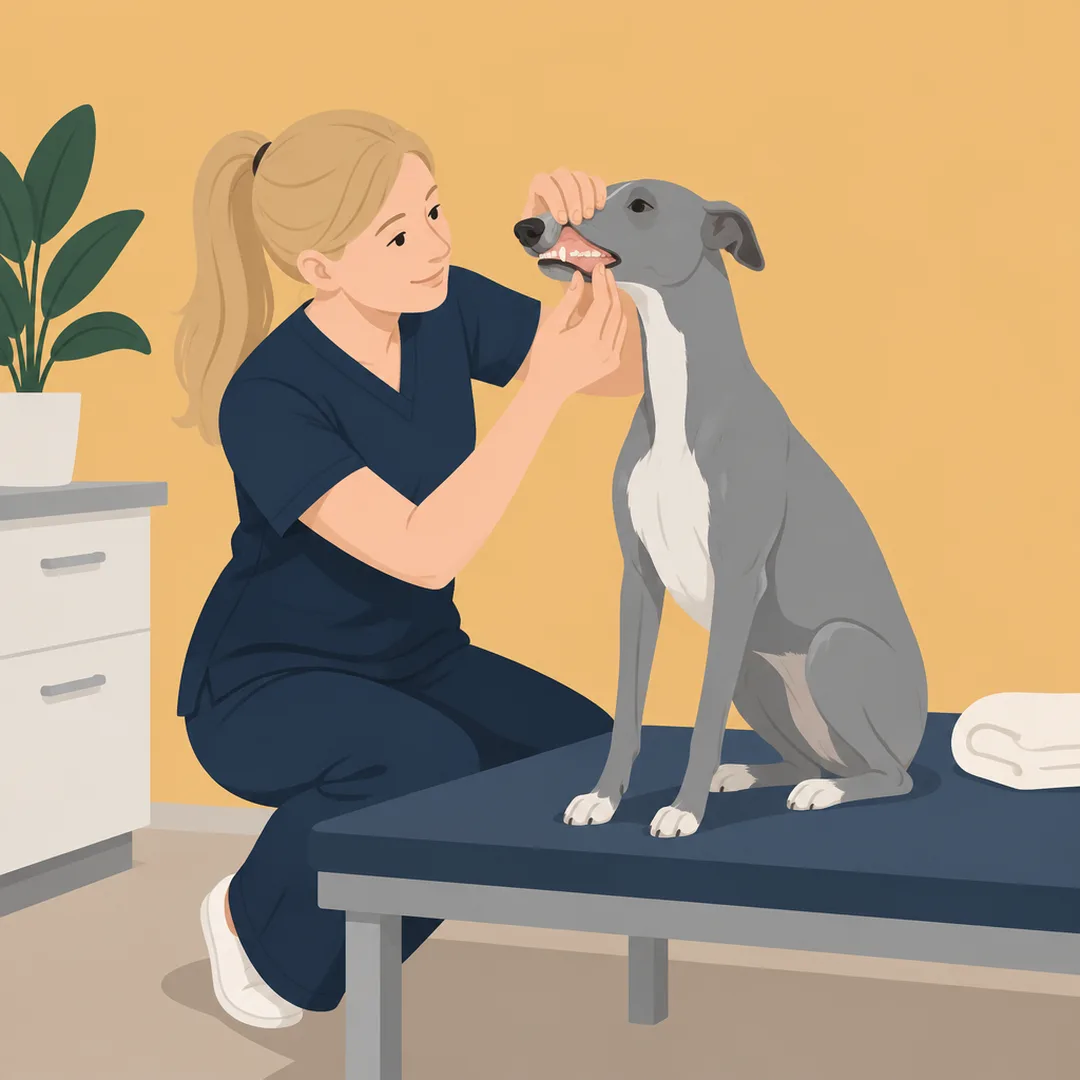
Health red flags: when to call the vet now
Some signs cannot wait until morning. A plain list of emergencies, problems to call about today, and what to watch, so you know when to act fast.
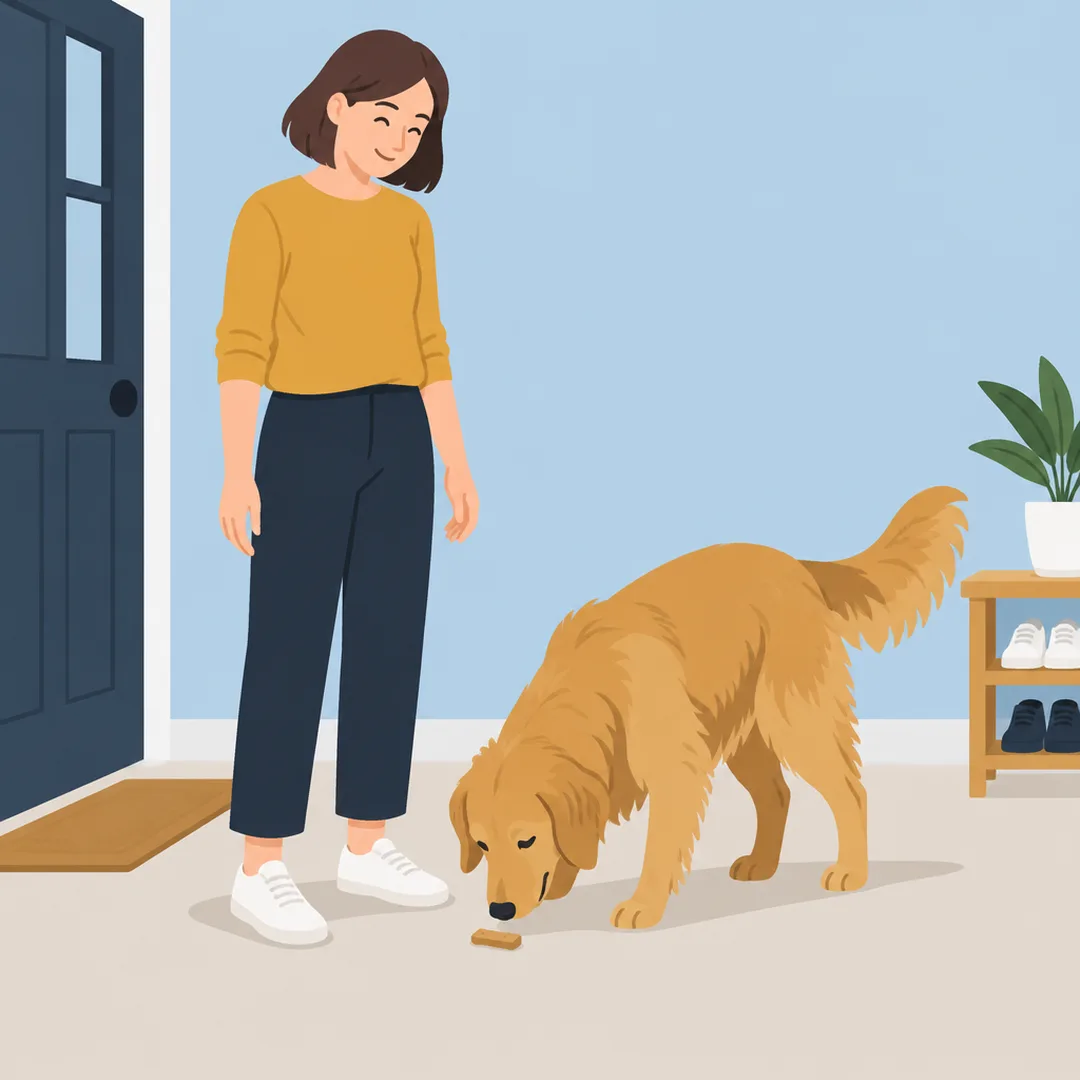
Jumping up
Jumping up is friendly, but it scratches, muddies clothes and can knock people over. Here is why dogs jump and how to teach a calm greeting with rewards, not corrections.
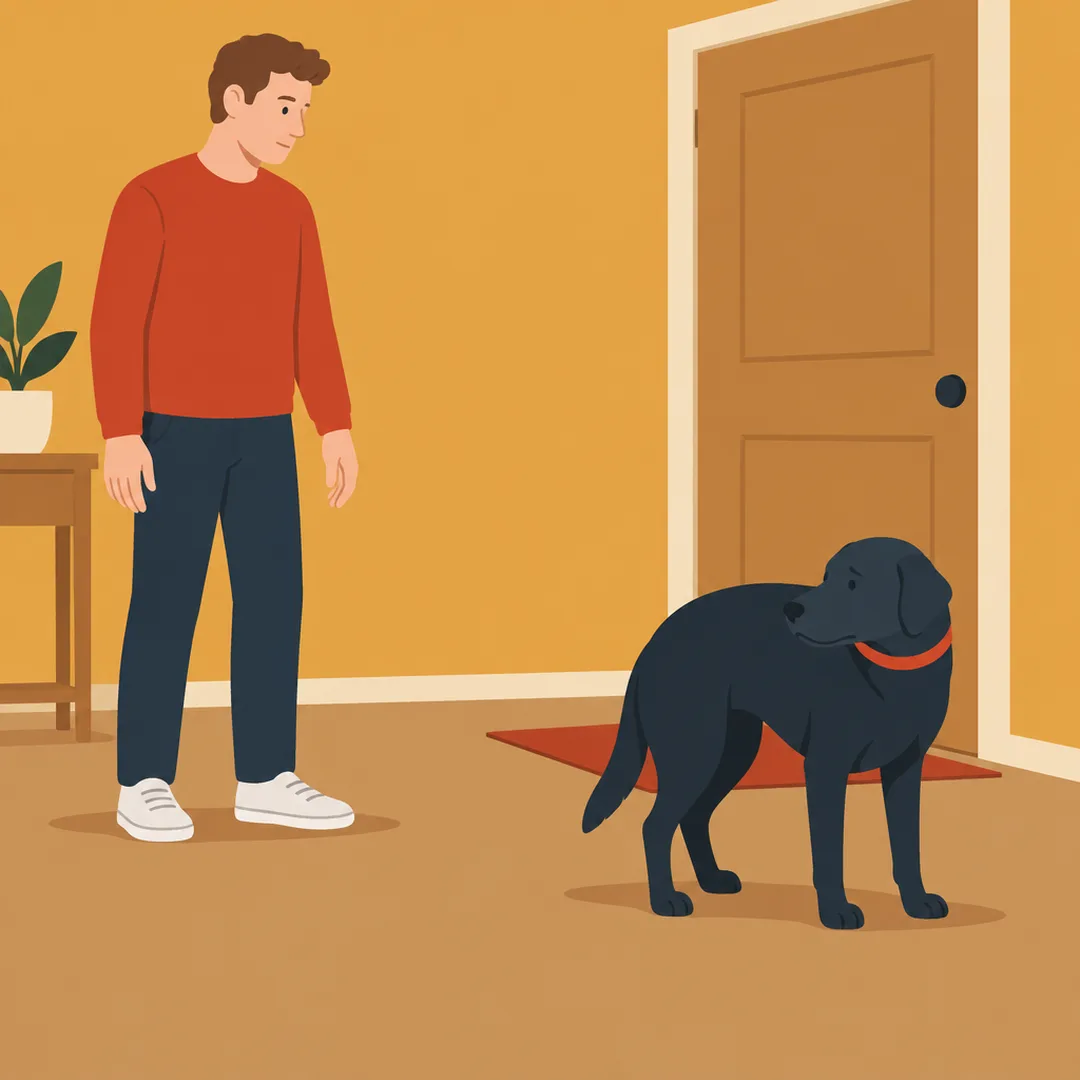
The ladder of aggression
Bites rarely come out of nowhere. The ladder of aggression shows how dogs escalate from quiet signals to growls and snaps, and how to help them climb back down.
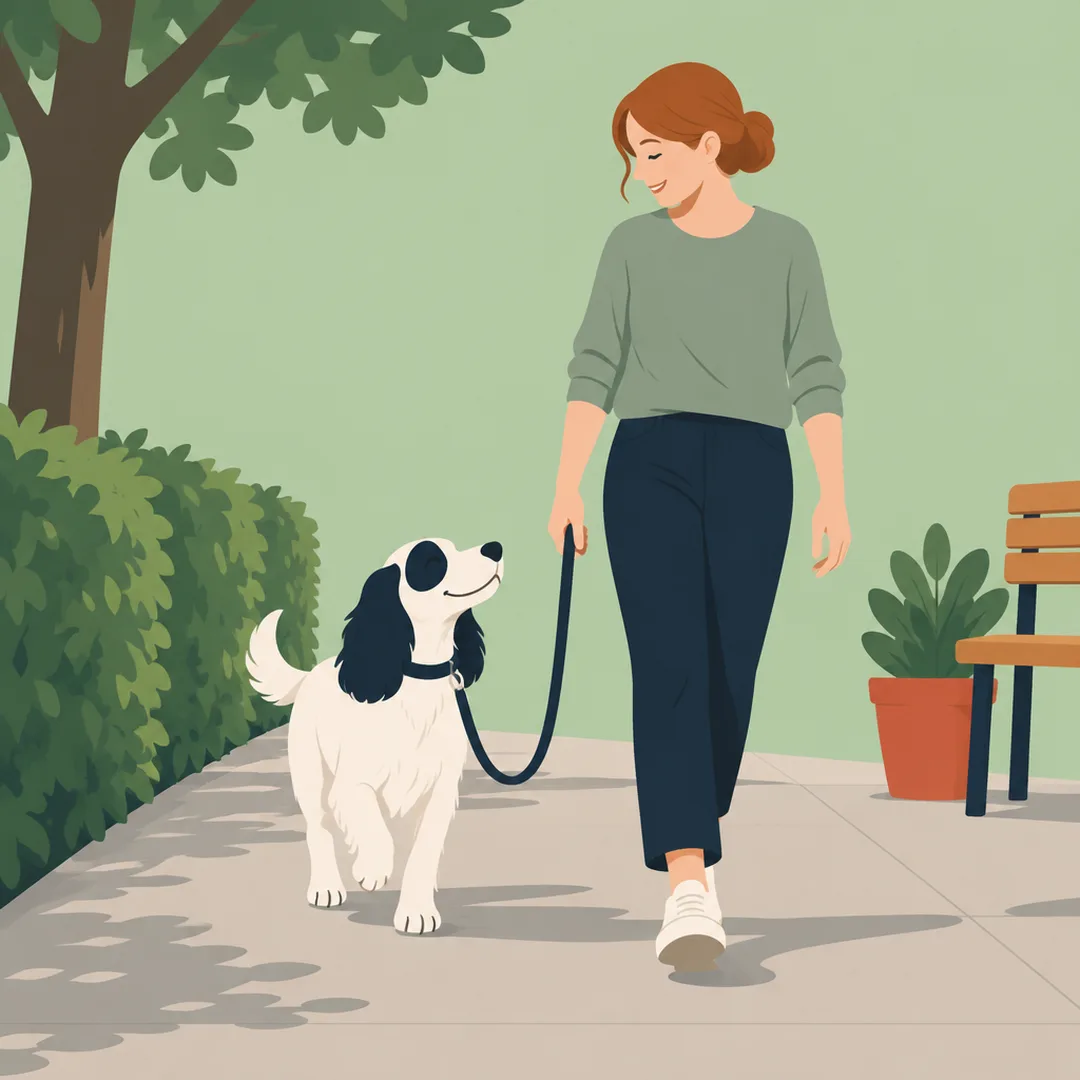
Loose-leash walking principles
Dogs pull because pulling works and because we walk too slowly for them. The principles behind a loose lead, the gear that helps, and a simple plan to start.
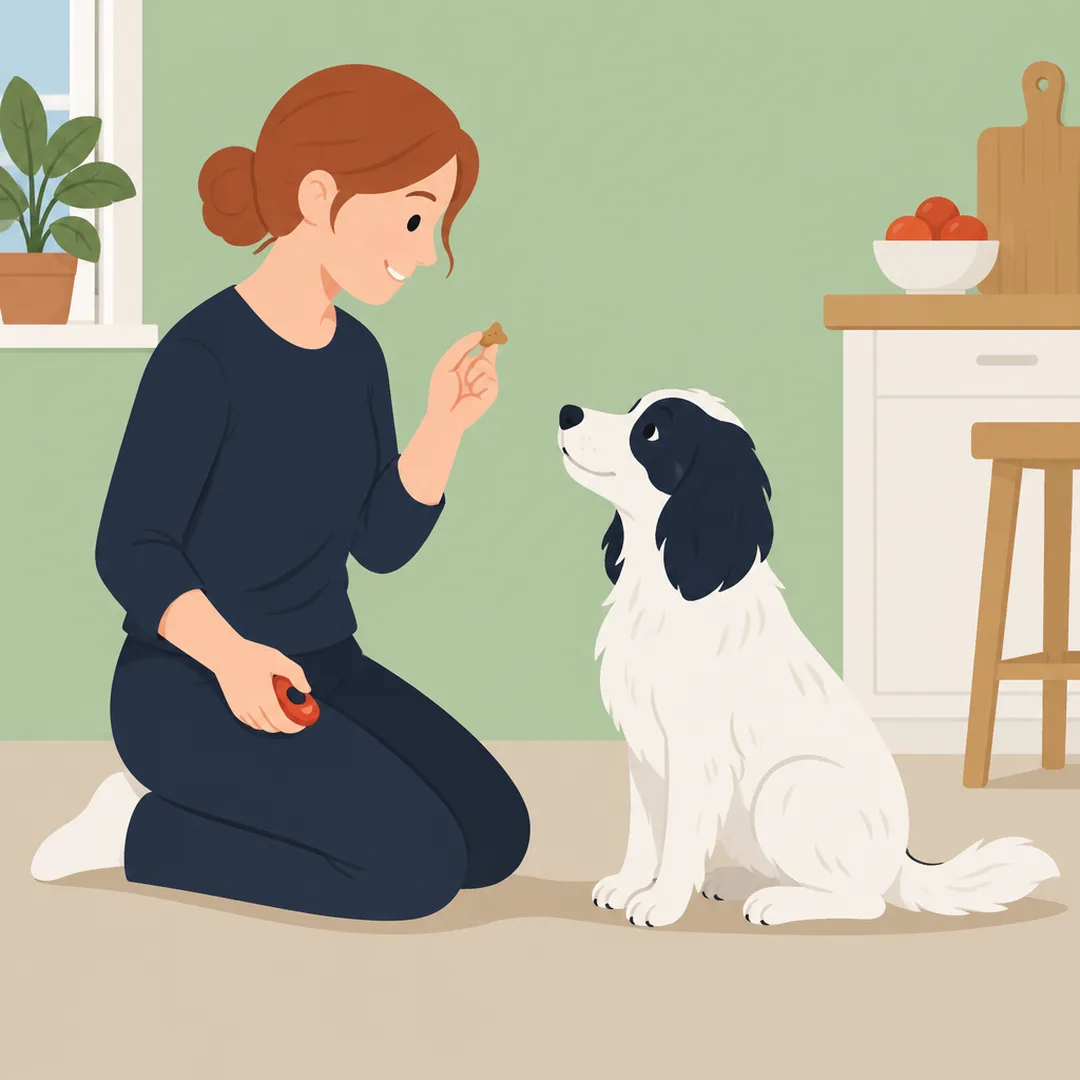
Marker training
A marker pinpoints the exact moment your dog gets it right. How to charge a clicker or a marker word, time it, and keep it working.
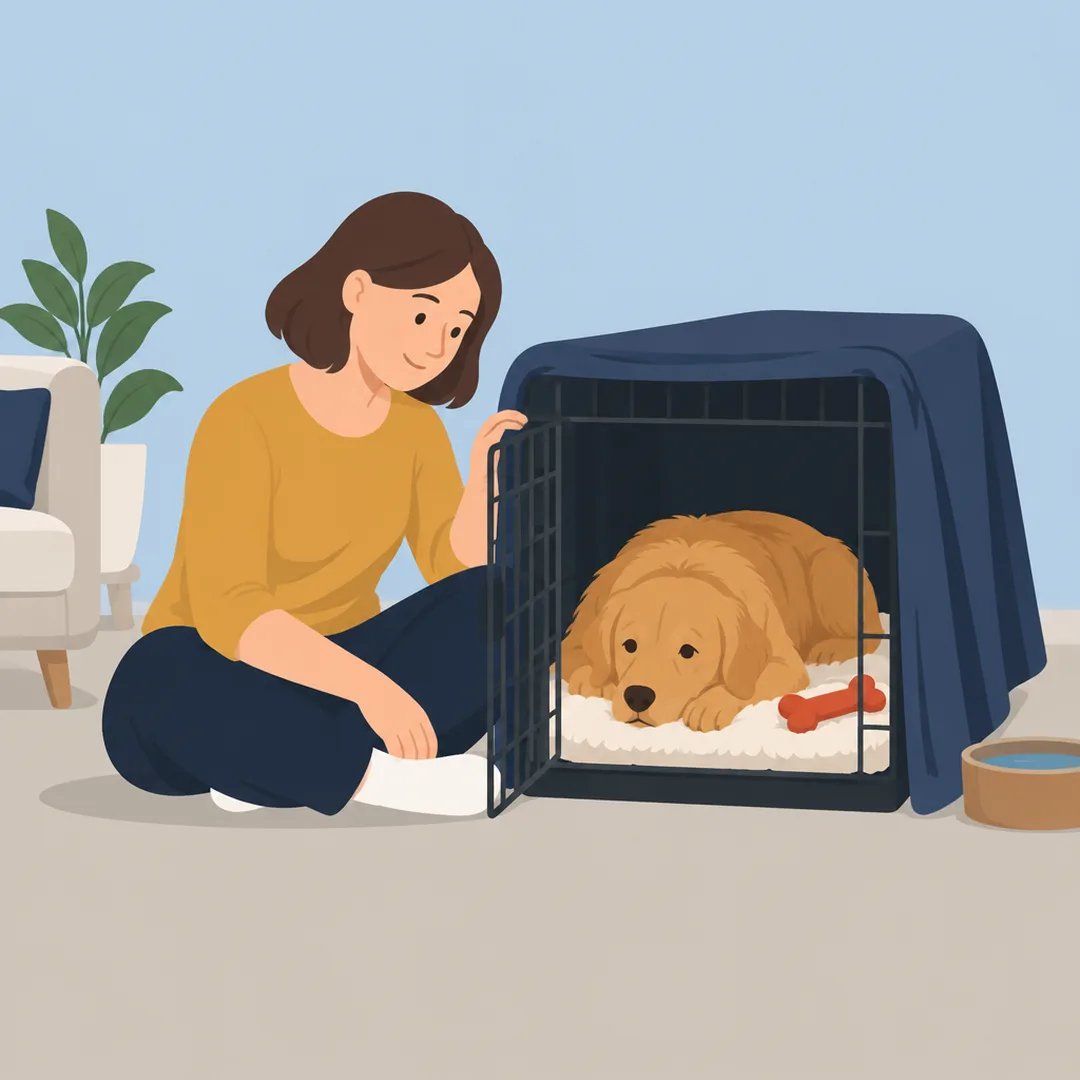
Noise fears
Fireworks, thunder and other loud noises can terrify some dogs. This guide covers why it happens, how to keep your dog safe during noisy events, and how gradual sound training can help.
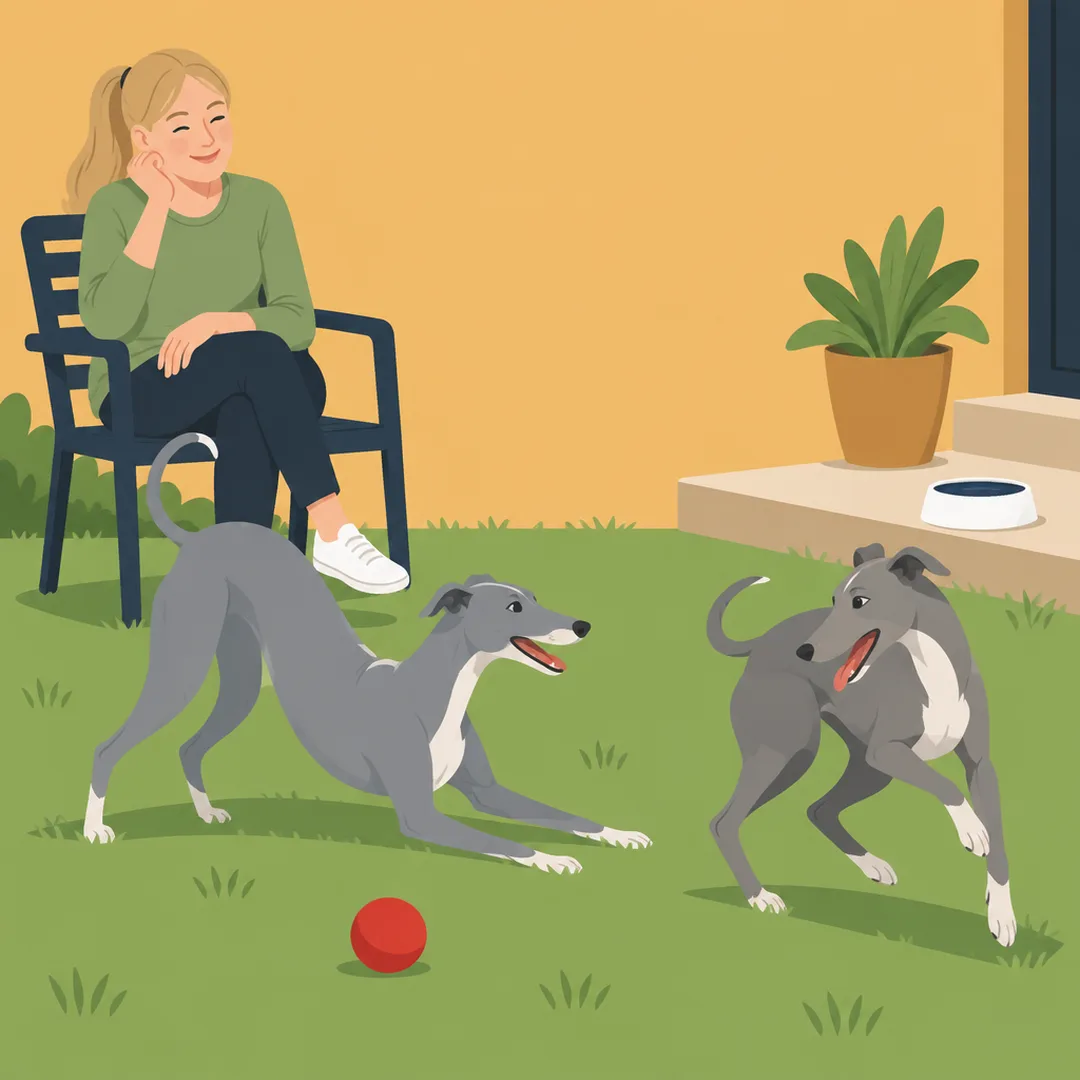
Play signals and healthy dog play
Good dog play looks rough but follows rules. Learn the play bow, the loose bouncy body and the role swaps that mean all is well, and when to step in.
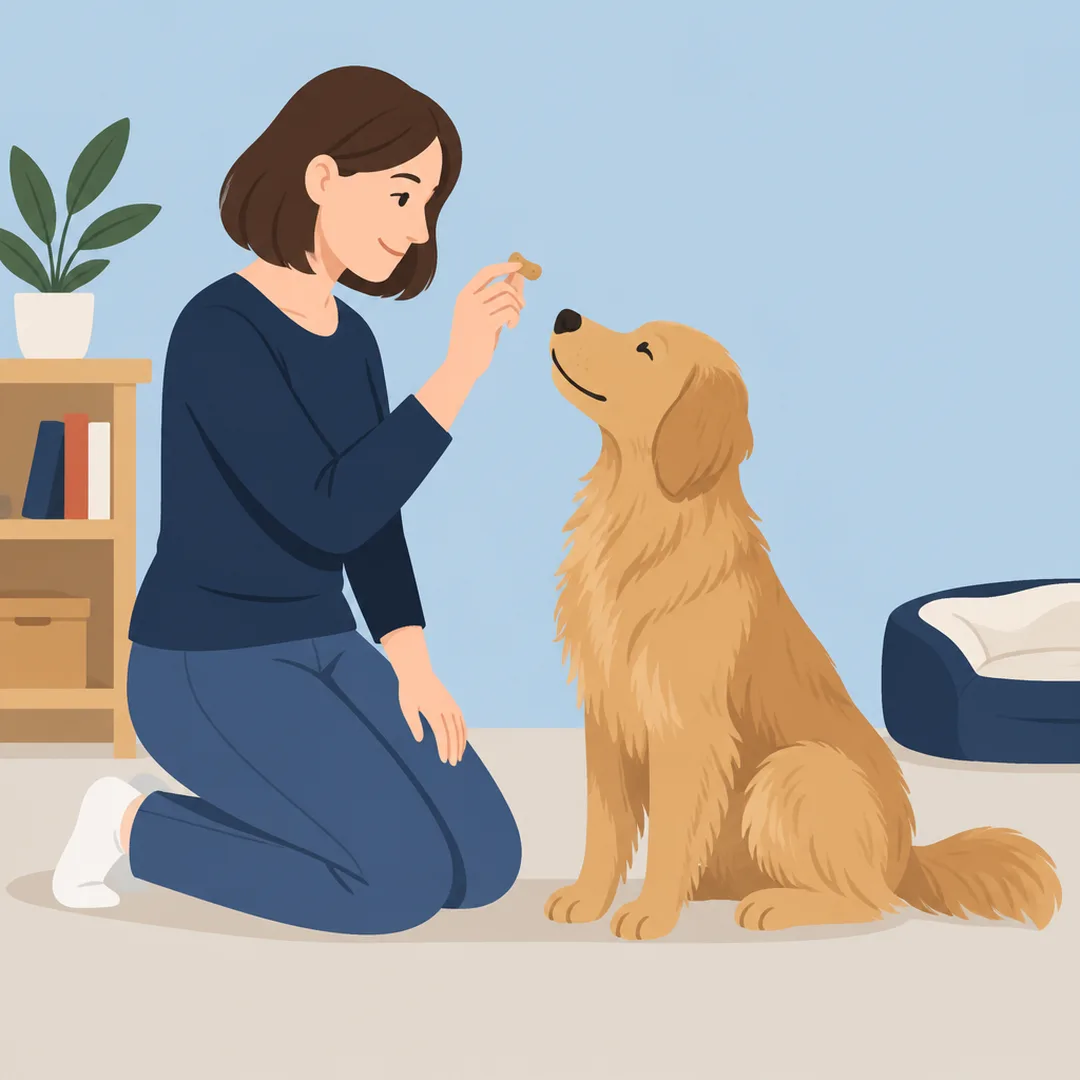
Positive reinforcement training
Rewarding the behaviour you want is the most humane and effective way to train a dog. Here is how reinforcement works, how to pick and time rewards, and why punishment backfires.
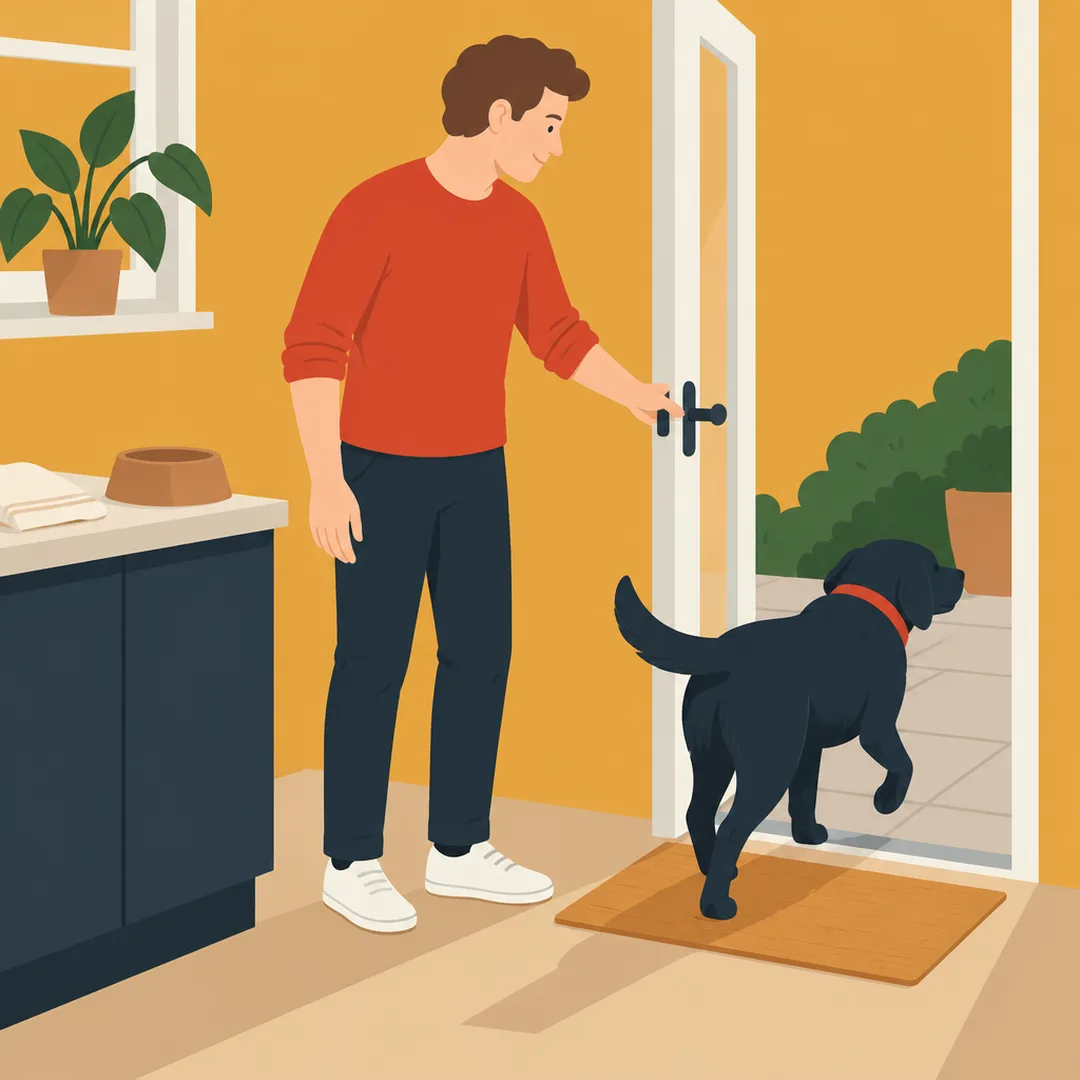
A potty training plan that works
House training comes down to timing, supervision and rewards. A step-by-step plan for puppies and adult dogs, plus how to handle accidents without fuss.
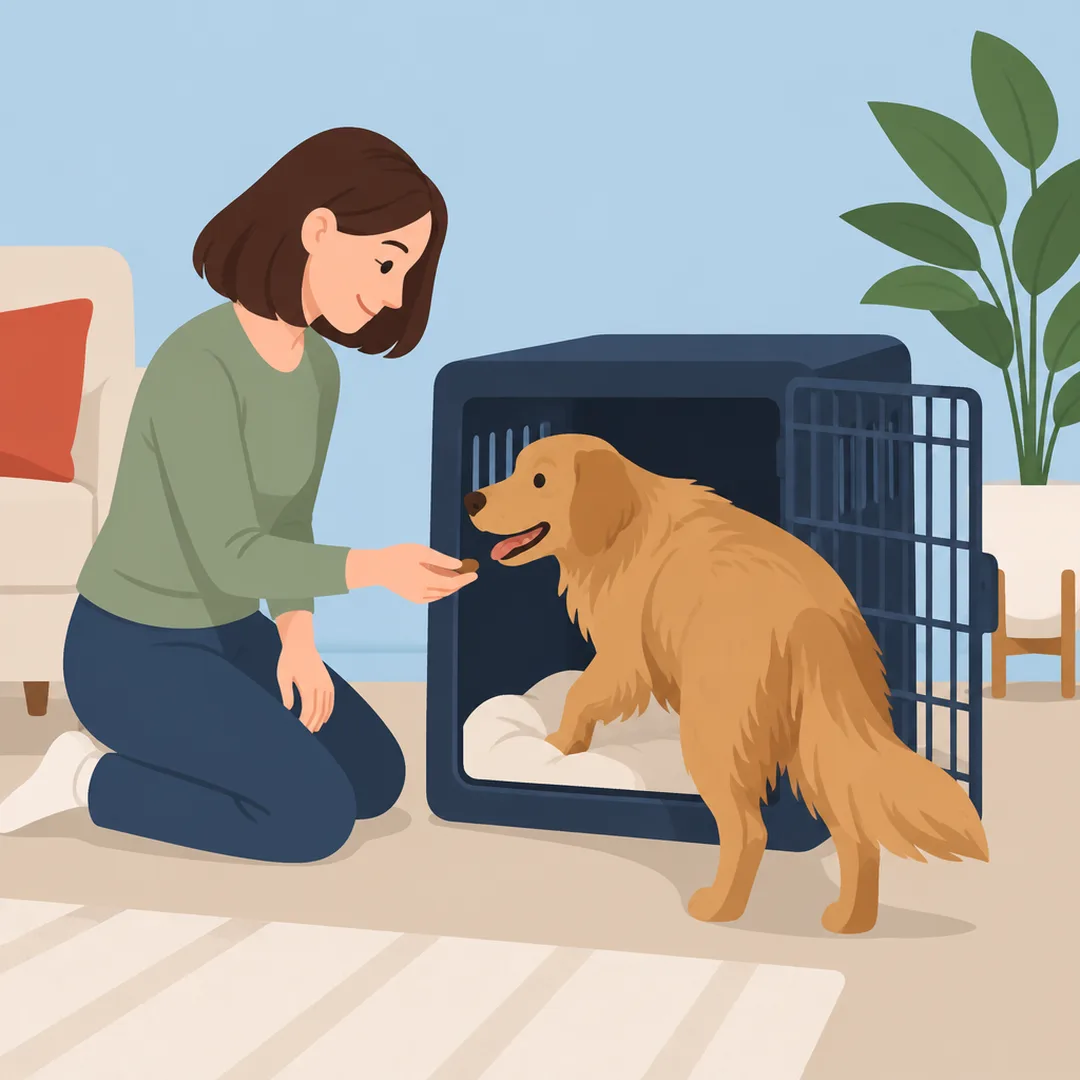
Your puppy's first week at home
The first seven days set the tone. A calm, simple plan for arrival day, the first nights, a potty routine, a safe space and gentle first experiences.
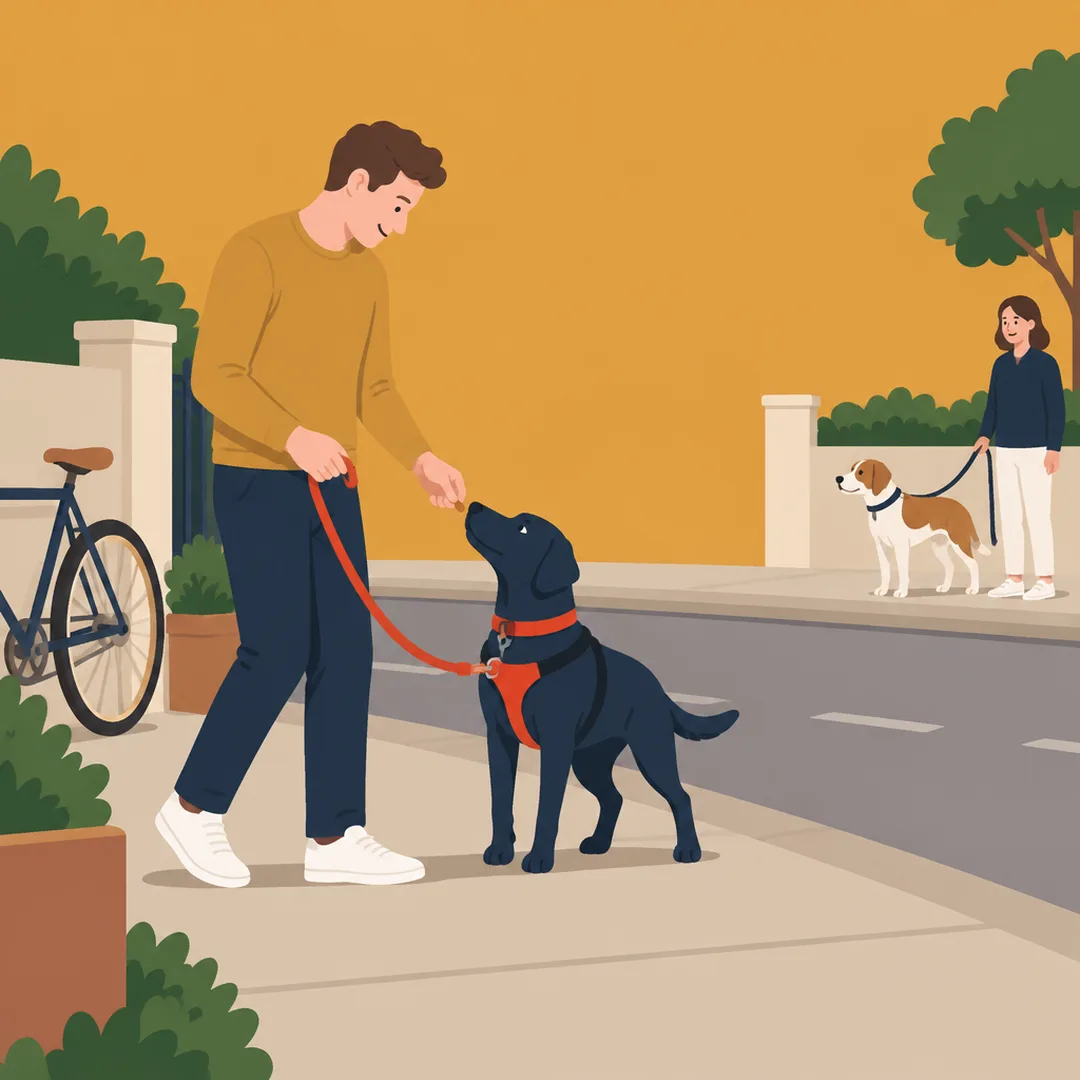
Reactivity
A dog that barks and lunges on leash may be showing fear or aggression. This guide covers safe gear, calmer walks, and how distance and rewards can change how your dog feels.
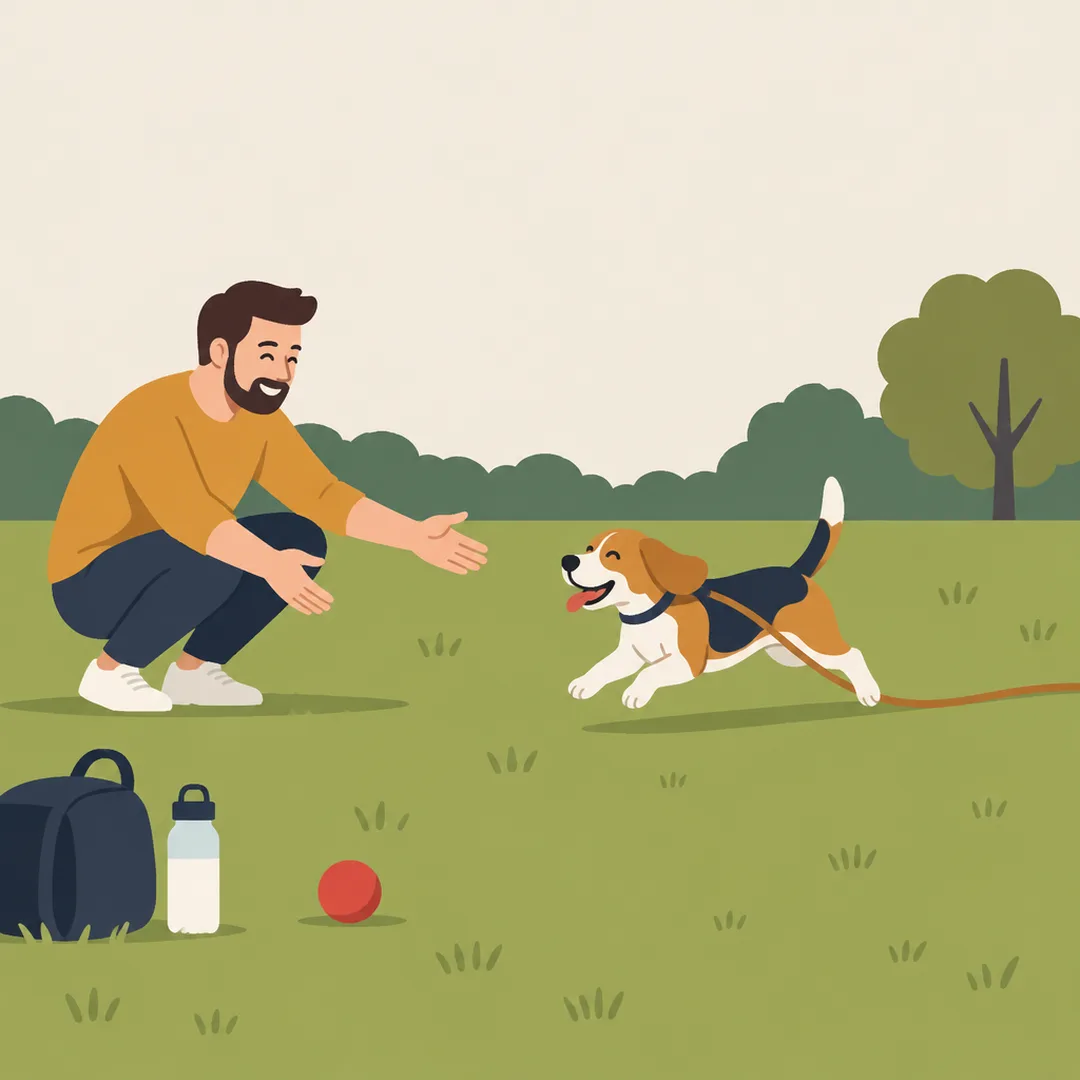
Recall that works
A reliable recall is built, not demanded. Why dogs ignore 'come', how to make your recall worth running for, and how to practise safely with a long line.
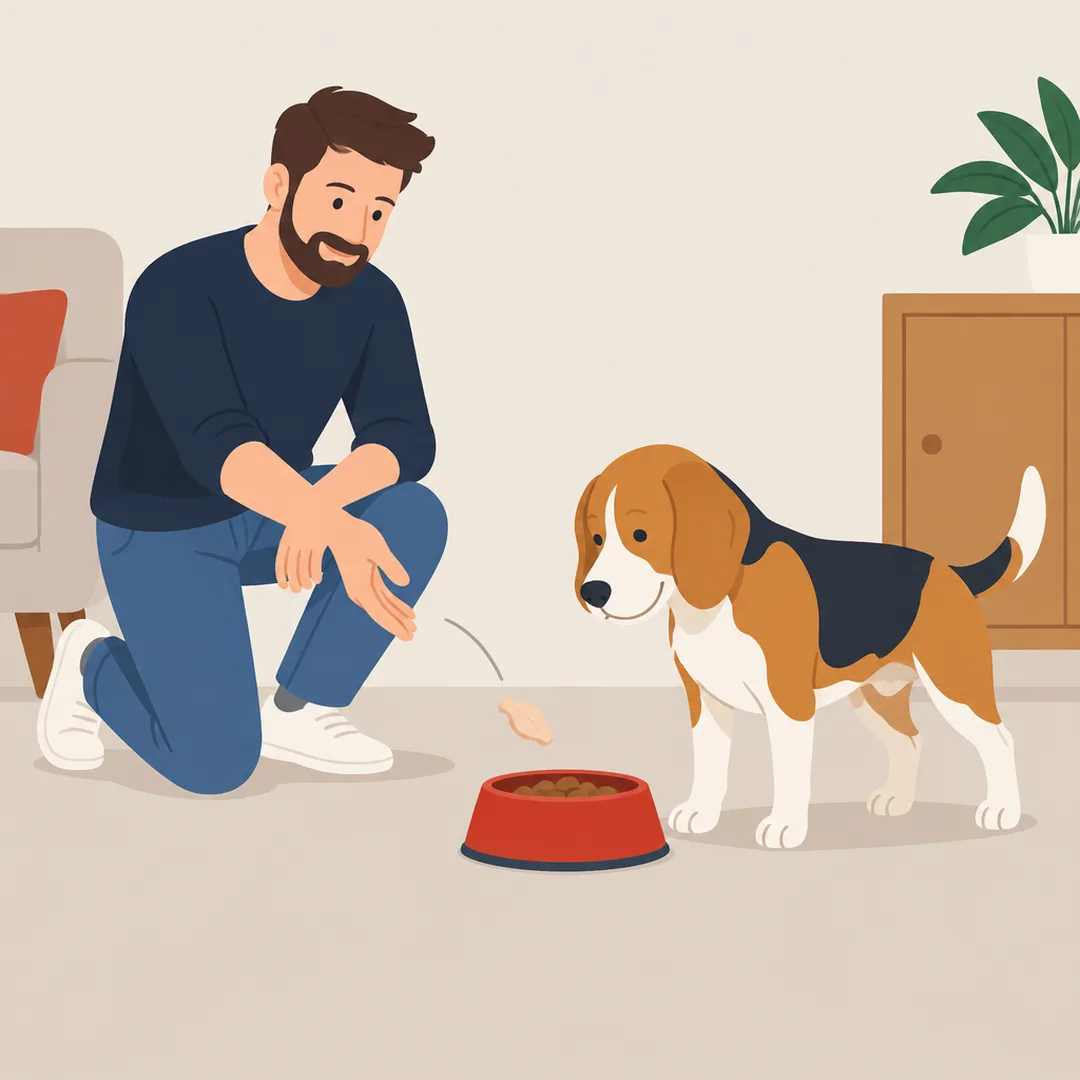
Resource guarding
A dog who growls over a bowl or a stolen sock is not being naughty, they are protecting something that matters to them. Here are the warning signs, the safety rules, and the reward-based steps that make people coming close feel safe.
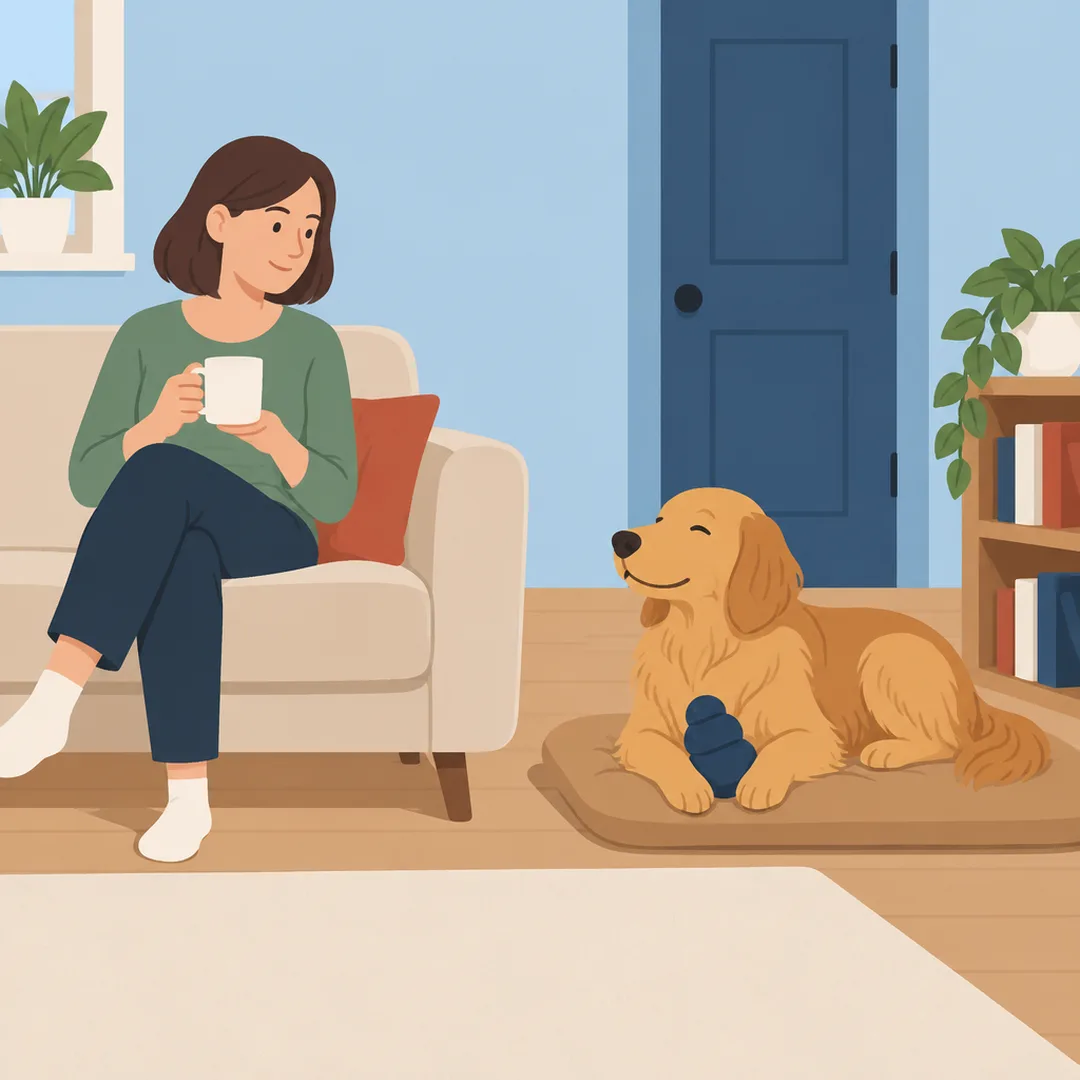
Separation anxiety
Signs of separation-related distress, what to rule out first, and a step-by-step plan that builds alone time without pushing your dog over the edge.
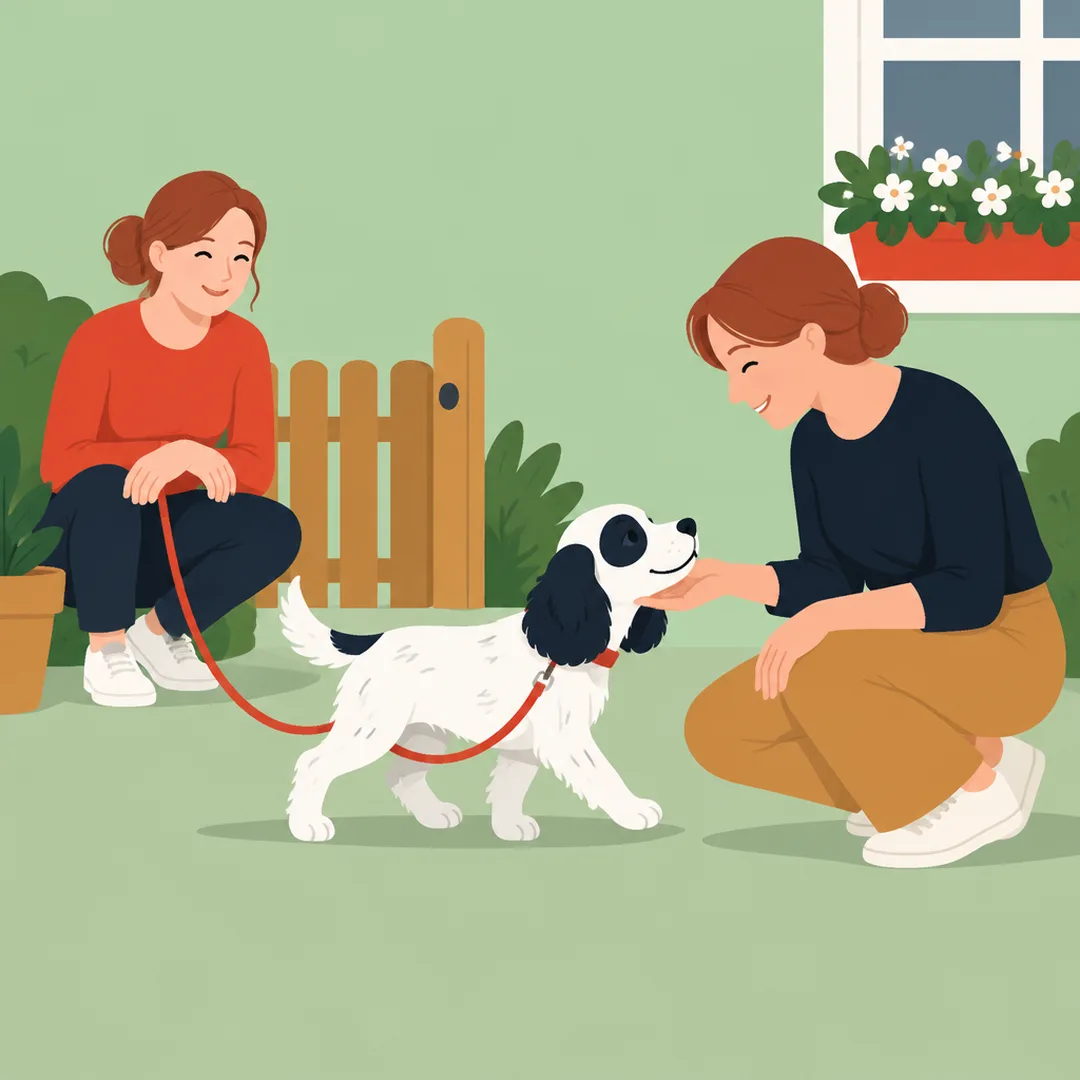
Socialising your dog
Puppies have a short window when new experiences shape them for life. Here is how to use it safely, at your puppy's pace, and how to keep going once it closes.
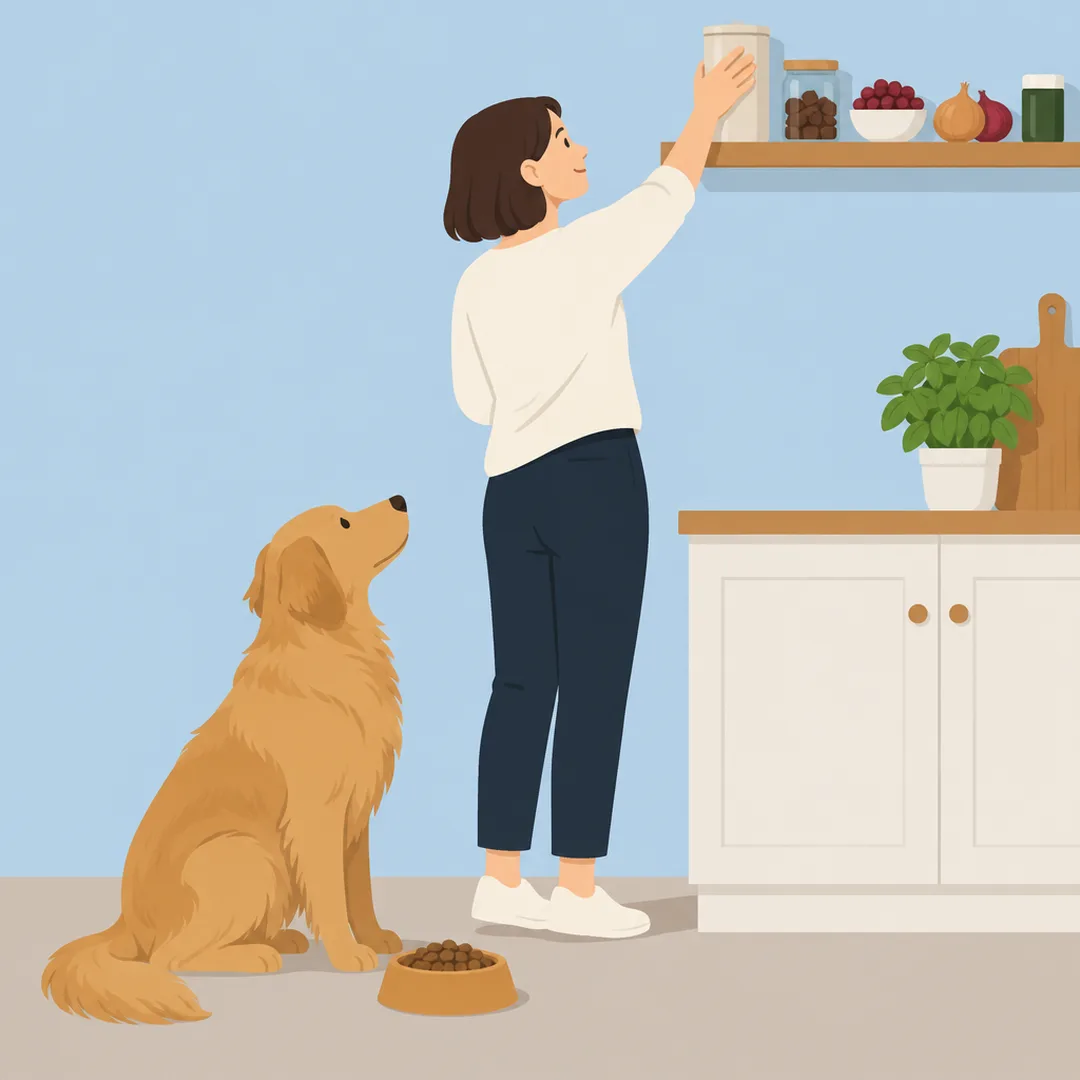
Foods that are toxic to dogs
Chocolate, grapes, xylitol, onions and more. What is dangerous, why, how much it takes, and exactly what to do if your dog eats something they should not.
Fill today's basket.
Every lesson, game, walk and meal you log drops a toy in the basket. Six toys and the day is done.


Scan with your phone
Your camera opens the right store for your phone.