Why cats bite and scratch: the main types of aggression
Most cat aggression is fear, play, pain or frustration, not spite. Learn the common types, what triggers each, and safe ways to reduce it.
A cat that bites or scratches is not being "mean" or "dominant". Cats use aggression when they feel threatened, frustrated, over-excited or hurt and do not see another way out. Knowing which kind of aggression you are seeing tells you what to change.
Safety first: cat bites can cause serious infections. If a bite breaks your skin, wash it well and see a doctor, especially for bites on hands or joints.
Start with the vet
Pain is one of the most common hidden causes of aggression. Arthritis, dental disease, ear infections, an overactive thyroid and urinary problems can all make a cat irritable. A cat that suddenly starts biting, especially an adult or senior cat with no history, needs a health check before any behaviour plan.
Play aggression
Looks like: stalking and ambushing ankles, pouncing on hands, biting during play, often with no hissing. Most common in kittens and young cats, especially single cats or those taken from their litter early.
Why: the cat is practising hunting on the moving thing available: you.
What helps:
- Two or more daily wand-toy sessions that follow the hunting sequence and end with a catch and a meal.
- Never use hands or feet as toys.
- When your cat pounces on you, go still (moving hands look more like prey), then redirect to a kicker toy or tossed ball.
- Keep a toy in your pocket at ambush times and toss it ahead of you.
- Consider a second, playful young cat if your kitten is alone and very energetic, after reading the multi-cat articles.
Fear aggression
Looks like: crouching, ears flat, pupils wide, hissing, spitting, swatting, often while backing away. The cat bites only if it cannot escape.
Why: the cat feels trapped or threatened, for example by a visitor, a vet visit, being picked up or a loud noise.
What helps:
- Never corner or reach for a frightened cat. Give an escape route and a hiding place.
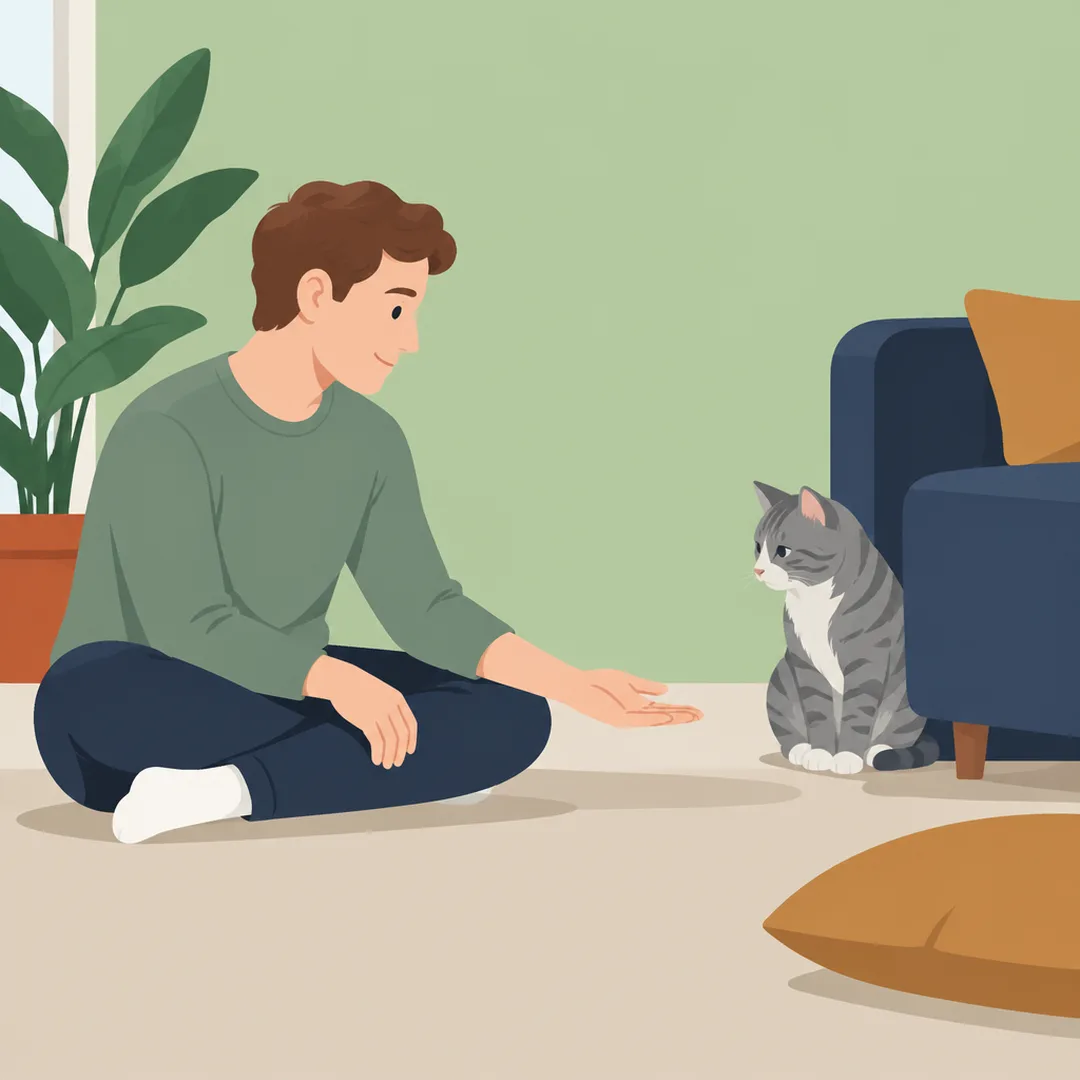
- Let the cat approach in its own time. Ask visitors to ignore the cat and toss treats away from themselves.
- Build confidence slowly with treat scatters, gentle play and short training sessions.
- Ask your vet about Fear Free or Cat Friendly approaches for handling.
Petting-induced aggression
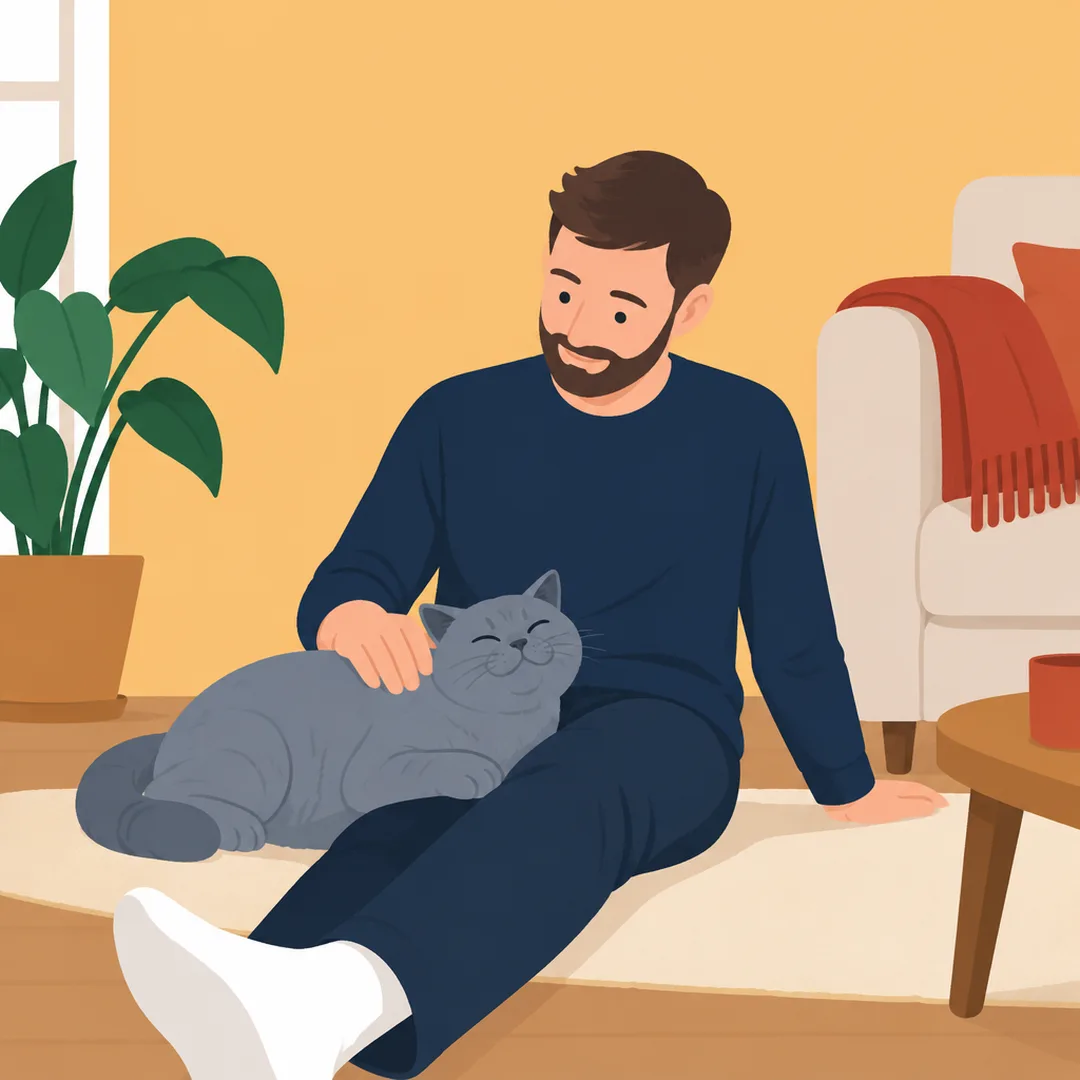
Looks like: your cat seeks out a stroke, enjoys it, then suddenly bites or grabs your hand.
Why: many cats have a limit for touch. Repeated stroking can go from pleasant to irritating, and the cat warns you in small ways first.
What helps:
- Learn the warning signs: tail tip twitching, skin rippling, ears turning sideways, stopping purring, head turning toward your hand.
- Stop before the limit. Stroke for a few seconds, pause and let your cat ask for more by bunting your hand.
- Stick to the cheeks, chin and base of the ears. Avoid the back, belly and tail.
- Follow the AAFP's "Cat Friendly Interactions" idea: give the cat choice and control over contact.
Redirected aggression
Looks like: a cat sees something upsetting it cannot reach, for example a strange cat outside the window, and attacks the nearest person or pet. Afterward the cats may stay hostile for days.
What helps:
- Do not touch an aroused cat. Calmly block its view with a cushion or a sheet of cardboard and leave the room or open a door so it can go somewhere quiet.
- Let it calm down alone in a dim room. This can take hours.
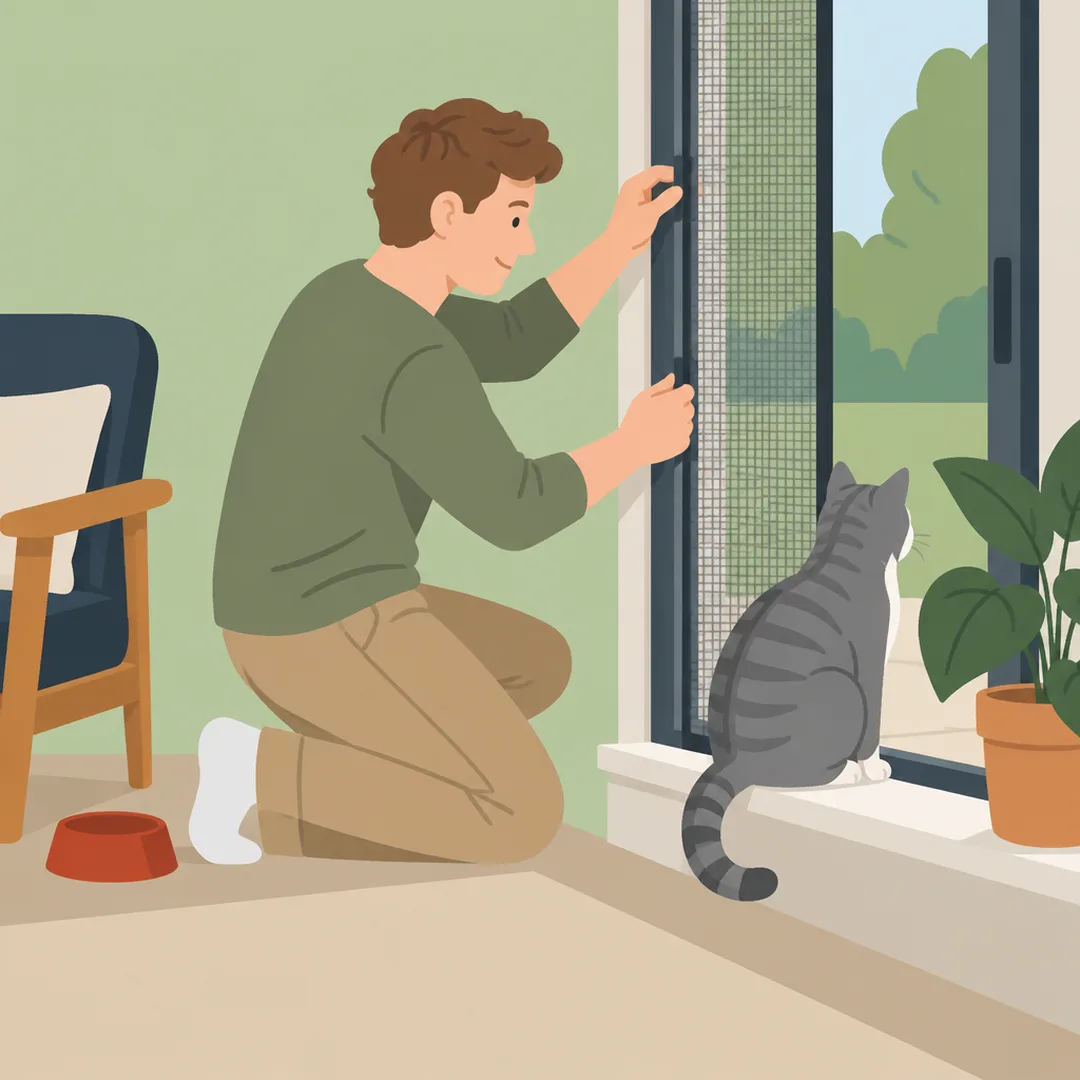
- Block the trigger: frost or cover lower windows if outdoor cats visit, and deter them from your garden.
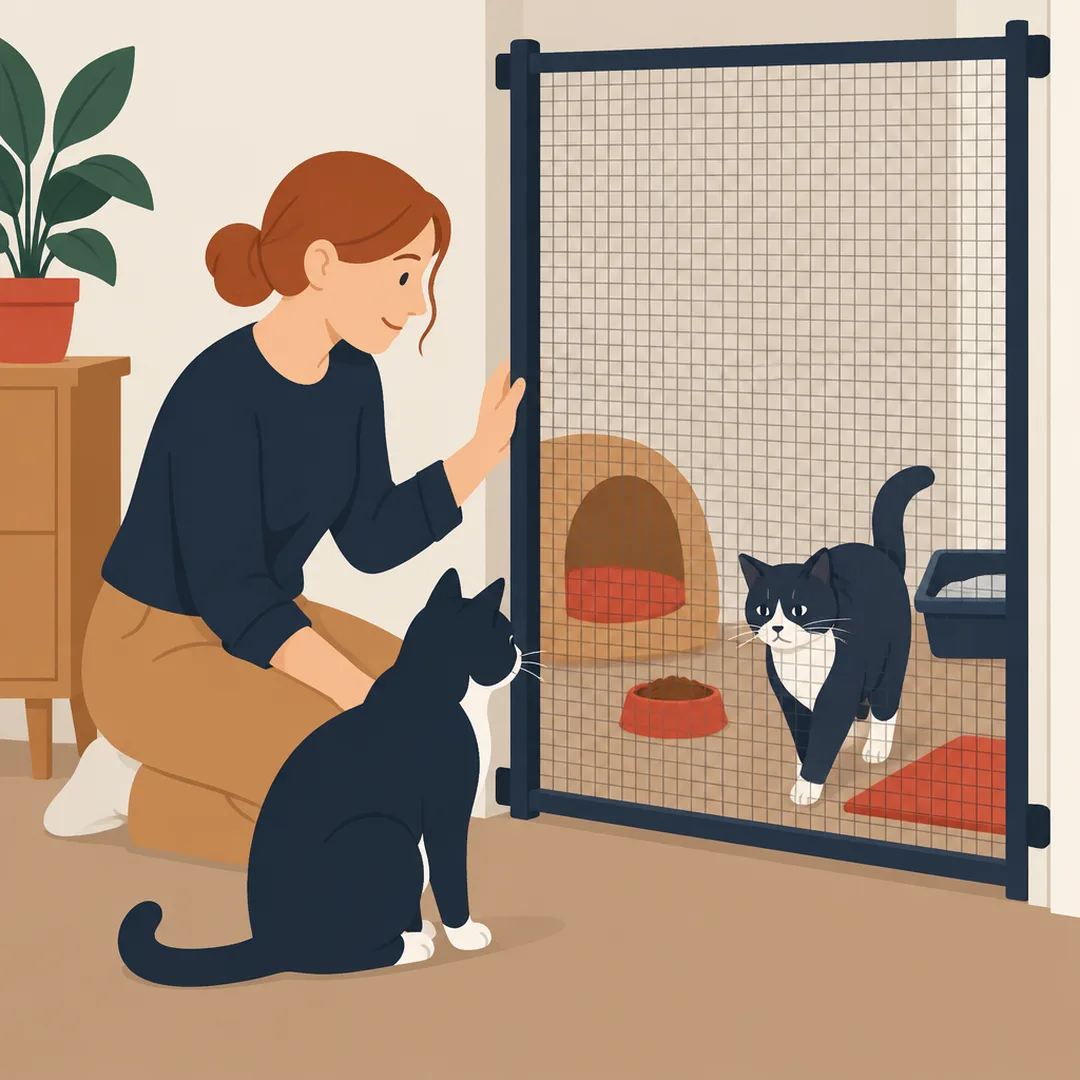
- If two of your cats fall out after an incident, reintroduce them slowly as if they were new (see the article on introducing a new cat).
Aggression between cats
Looks like: staring, blocking doorways or litter boxes, chasing, hissing, fights. It can be open or very subtle.
What helps: more resources in more places, separate feeding, vertical space and escape routes. See the multi-cat homes article for a full plan.
Pain-related aggression
Looks like: hissing or biting when a specific area is touched, when picked up, or when another pet bumps them. Often paired with hiding, less grooming and less jumping.
What helps: a vet visit and pain relief. Behaviour will not improve until the pain is treated. Never give human painkillers; many are deadly to cats.
Maternal aggression
A mother cat may defend her kittens fiercely in the first weeks. Give her a quiet nest and keep visitors away.
What never helps
- Shouting, spraying water, tapping noses, scruffing or "showing who is boss". These raise fear and make aggression worse.
- Staring down a cat, which is a threat in cat language.
- Punishing a hiss. A hiss is a warning. Punish it and you remove the warning, not the fear.
When to get expert help
If aggression is severe, frequent, unpredictable or involves children, ask your vet for a referral to a veterinary behaviourist (a vet with specialist training) or a certified behaviour consultant. Medication can help some cats alongside a behaviour plan.
Key points
- Cat aggression is usually fear, play, over-touch, frustration or pain, not spite.
- Rule out pain first, especially if aggression is new.
- Play aggression needs more hunting play, never hands as toys.
- Stop petting before your cat's limit by watching tail, skin and ears.
- Never punish; block, redirect and give the cat an escape.
When to call the vet
- Call your vet now if a cat that has never been aggressive suddenly attacks along with signs of illness: hiding, not eating, limping, crying in the litter box or breathing problems.
- Book a visit for any new or worsening aggression, aggression when touched in one place, or aggression in an older cat.
- See a doctor promptly if a cat bite breaks your skin.
Sources
- ASPCA: Aggression in cats
- Cornell Feline Health Center: Feline behavior problems: aggression
- International Cat Care: Aggression towards people
- AAFP: Training techniques for addressing undesirable behaviors
- Mills et al. (2020) Pain and problem behavior in cats and dogs. Animals
- AAFP: Cat Friendly Interactions