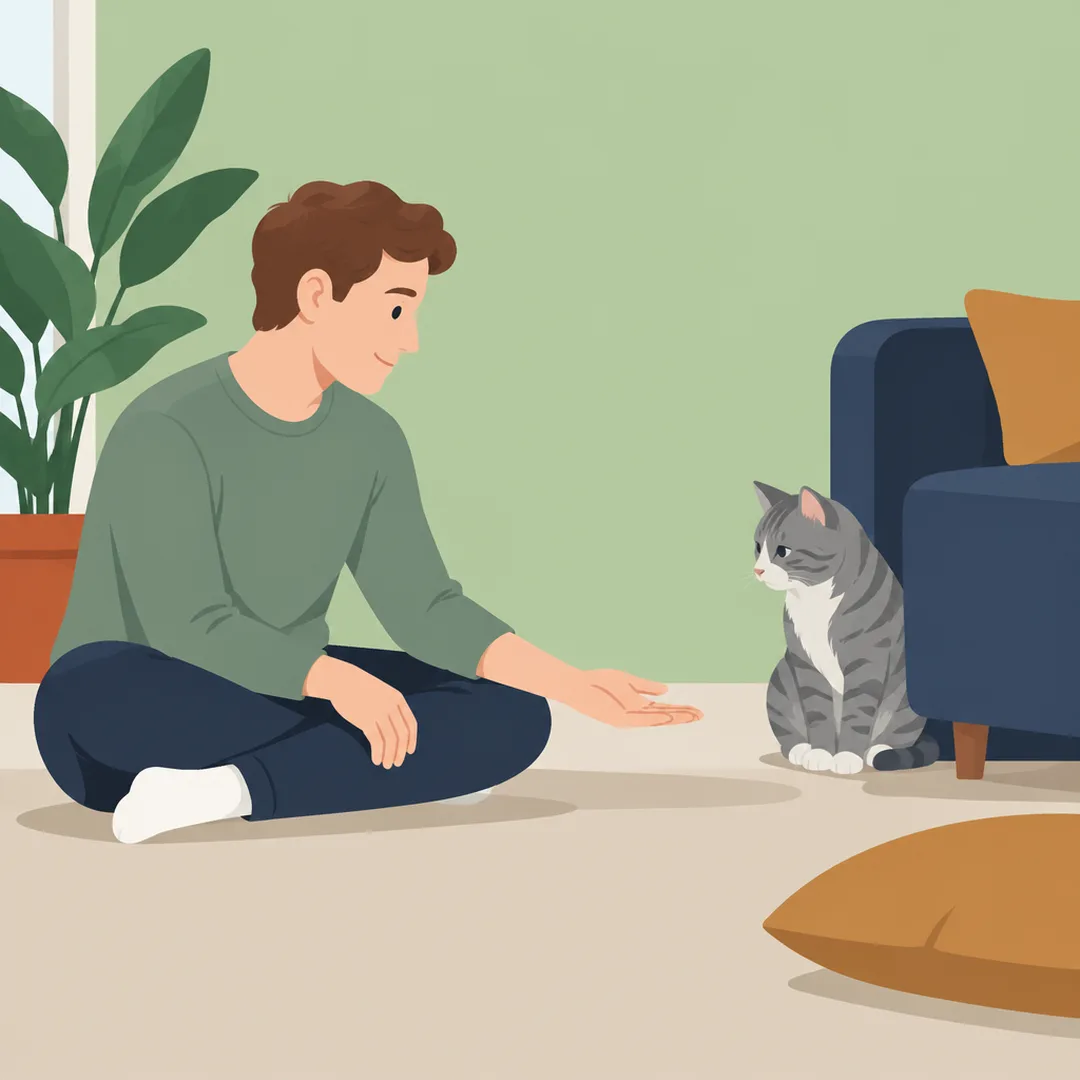
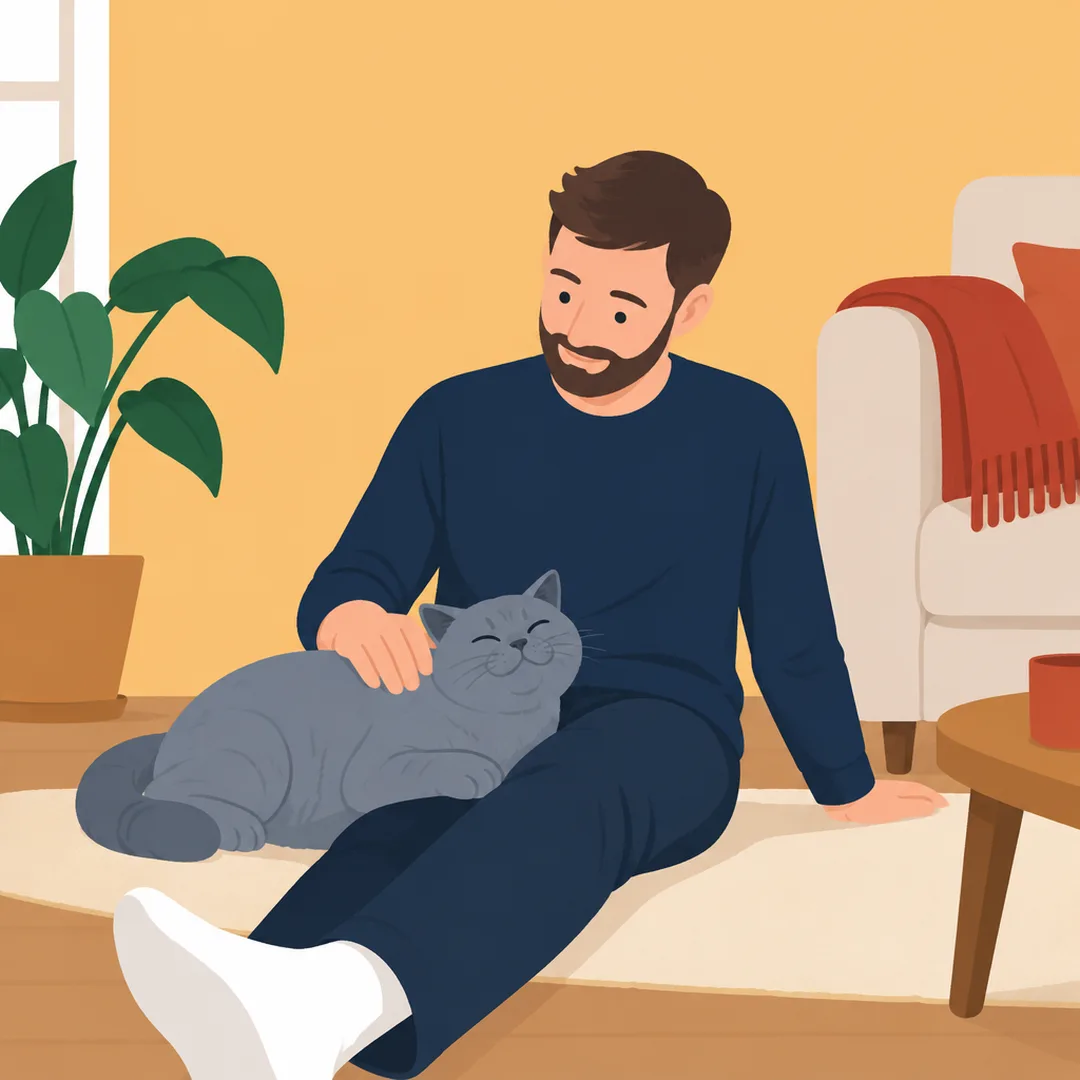
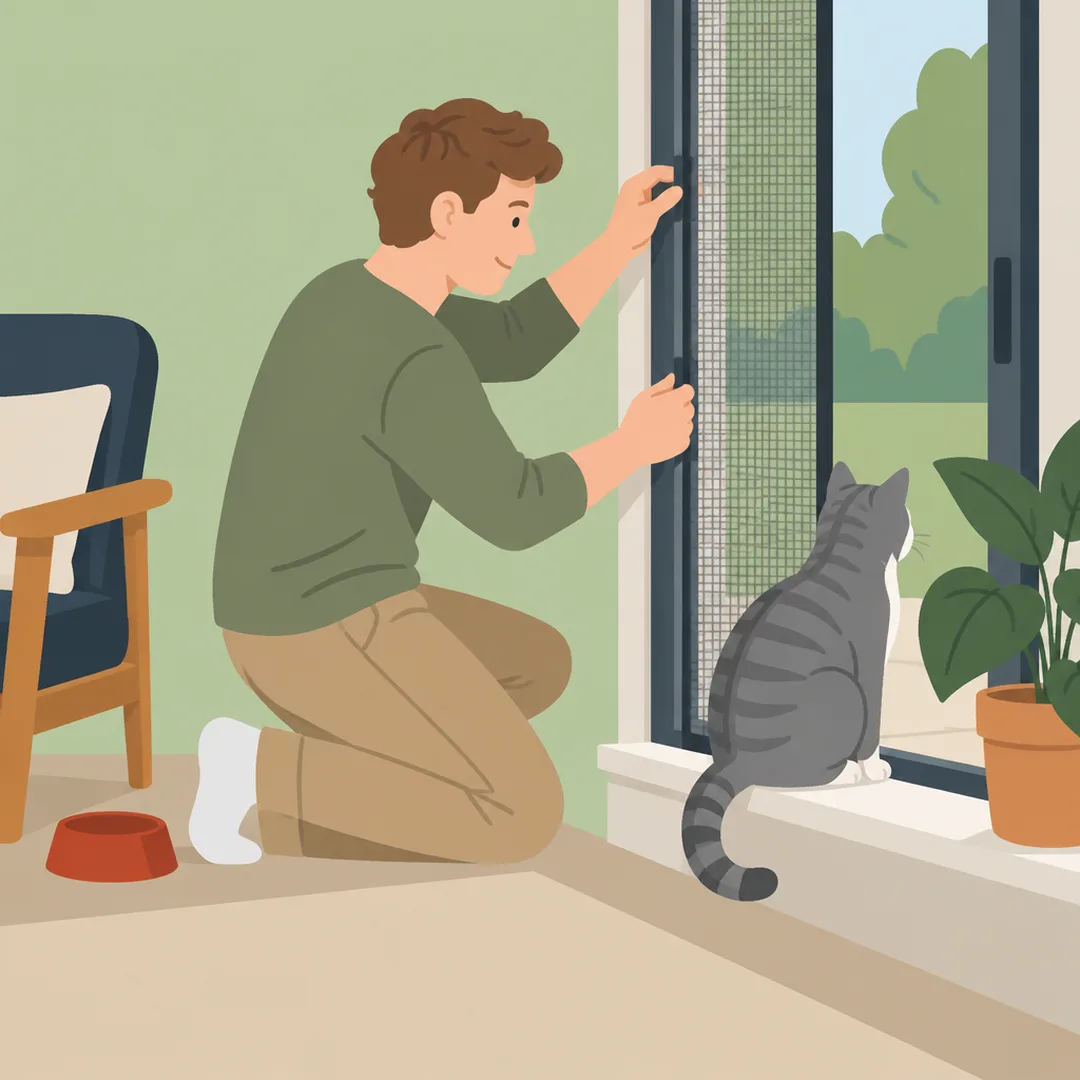
Why routines matter to cats
Cats thrive on predictability. A simple daily rhythm of meals, play, rest and care lowers stress and can even affect health. Here is how to build one that fits your life.
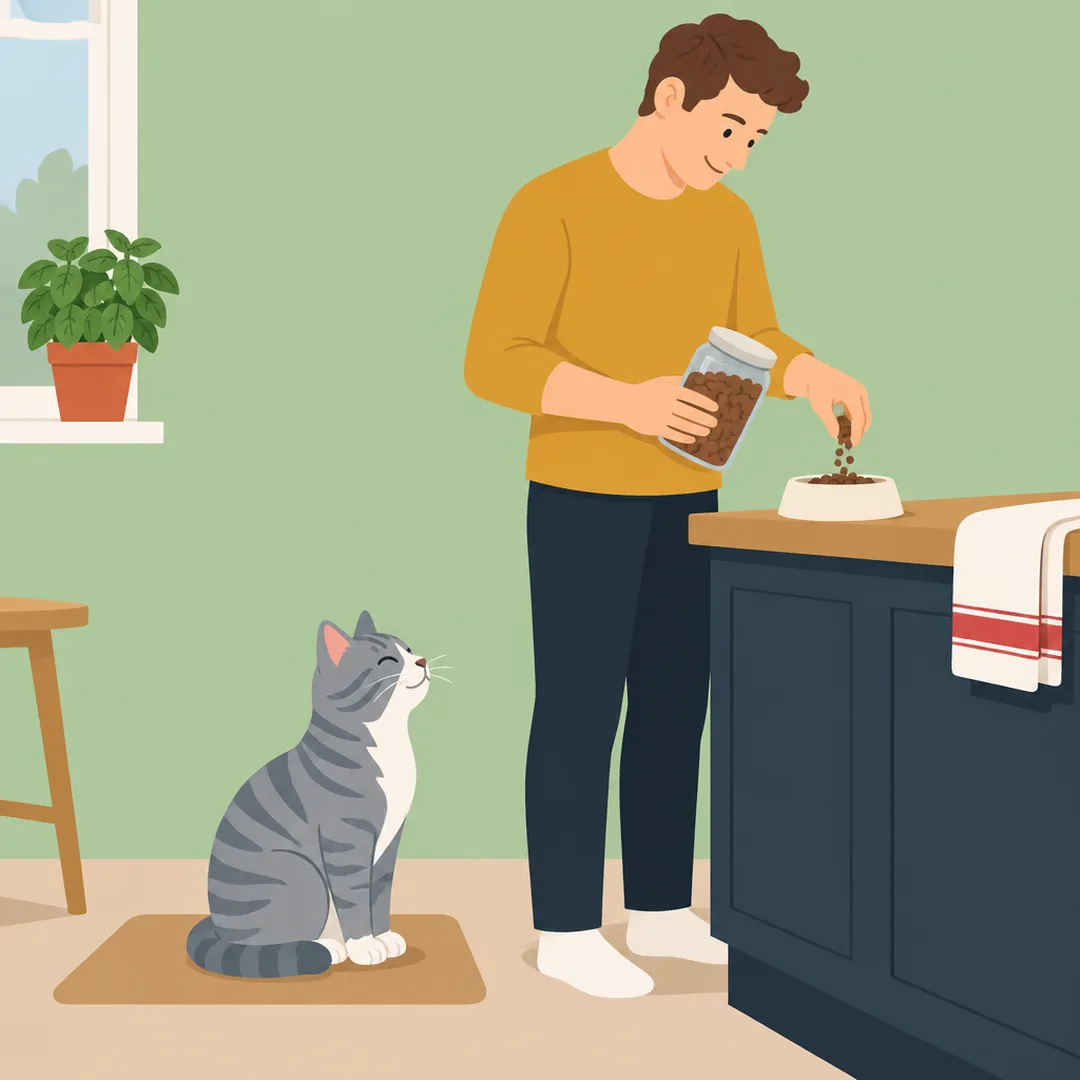
Cats are creatures of habit. In the wild, a cat's day follows a pattern: patrol, hunt, eat, groom, rest, repeat. At home, your schedule becomes your cat's world. When meals, play and quiet time happen at predictable times, cats feel in control. When they do not, many cats become anxious.
Why predictability helps
- Control lowers stress. A cat that knows breakfast always comes after your alarm does not need to wonder or demand.
- Fewer demands. Demand meowing and early-morning pawing often fade when needs are met on schedule.
- Easier health tracking. If you feed at set times, you notice straight away when your cat skips a meal. Changes in appetite are often the first sign of illness.
- Smoother care. Grooming, tooth brushing and medication go better when they happen at the same calm moment every day.
Research on routine and health
A study at Ohio State University looked at healthy cats and cats with feline interstitial cystitis (a stress-linked bladder condition). When their usual routine was disrupted, with changes to feeding times, caretakers and environment, both groups showed more "sickness behaviours": vomiting, eating less, and peeing or pooping outside the box. The healthy cats were affected nearly as much as the cats with cystitis. Simply disrupting routine was enough to make healthy cats look unwell.
The AAFP/ISFM Feline Environmental Needs Guidelines include "positive, consistent and predictable human-cat social interaction" as one of five pillars of a healthy environment.
Building a routine
You do not need a rigid timetable. You need anchors: things that happen in the same order every day, at roughly the same time.
Meals. Two or more meals at set times, or measured portions in puzzle feeders, or a timed feeder. Most cats prefer several small meals over one big one.
Play. At least two short sessions, ideally before meals so the cat hunts, then eats.
Quiet time. Cats sleep 12 to 16 hours a day. Protect their nap spots.
Care. Pick one time for brushing or tooth care, for example after the evening meal.
Litter. Scoop at least once a day, at the same time, so you also notice changes.
A sample daily rhythm
- Morning: breakfast after a 5-minute play session.
- Midday: a food puzzle or treat scatter (timed feeder or done before you leave for work).
- Afternoon: window perch, nap.
- Evening: a longer play session, then dinner.
- Before bed: gentle grooming or a few minutes of training, then a small snack.
Adapt the times to your life. Consistency matters more than the exact clock.
Sharing care with others
If a partner, family member, sitter or dog walker helps with your cat, agree on the same times, amounts and rules. In Tumble, logging meals and play means everyone can see what has been done and avoid double feeding.
When routines must change
Life changes: new jobs, daylight saving time, holidays, moving house. Help your cat adjust:
- Shift times gradually. Move meals by 10 to 15 minutes a day until you reach the new time.
- Keep the order the same, even if the times change: play, eat, groom, rest.
- Keep familiar items. Beds, blankets, scratchers and litter in the same type of place.
- Add extra safe places during upheaval.
- Use a timed feeder to keep meal times steady when your own day varies.
Routine for older cats
Senior cats often become more sensitive to change, especially if they have hearing or vision loss or cognitive decline. Keep furniture and resources where they are, add night lights, and keep their routine extra steady.
Key points
- Cats feel safer when meals, play, rest and care happen predictably.
- Research shows disrupting routine alone can make healthy cats vomit, eat less and soil the house.
- Use anchors: play then meal, the same order every day.
- Shift times gradually when life changes, and keep the order the same.
- A set routine makes it easier to spot early signs of illness.
Sources
- Stella, Lord & Buffington (2011) Sickness behaviors in response to unusual external events in healthy cats and cats with feline interstitial cystitis. JAVMA
- AAFP/ISFM Feline Environmental Needs Guidelines (pillar four: predictable human interaction)
- International Cat Care: How to tell if your cat is stressed
- Ohio State Indoor Pet Initiative: Basic indoor cat needs