Training guides
Clicker and marker training for cats and dogs: how to start, how to get past a stuck step, and how to make it last.
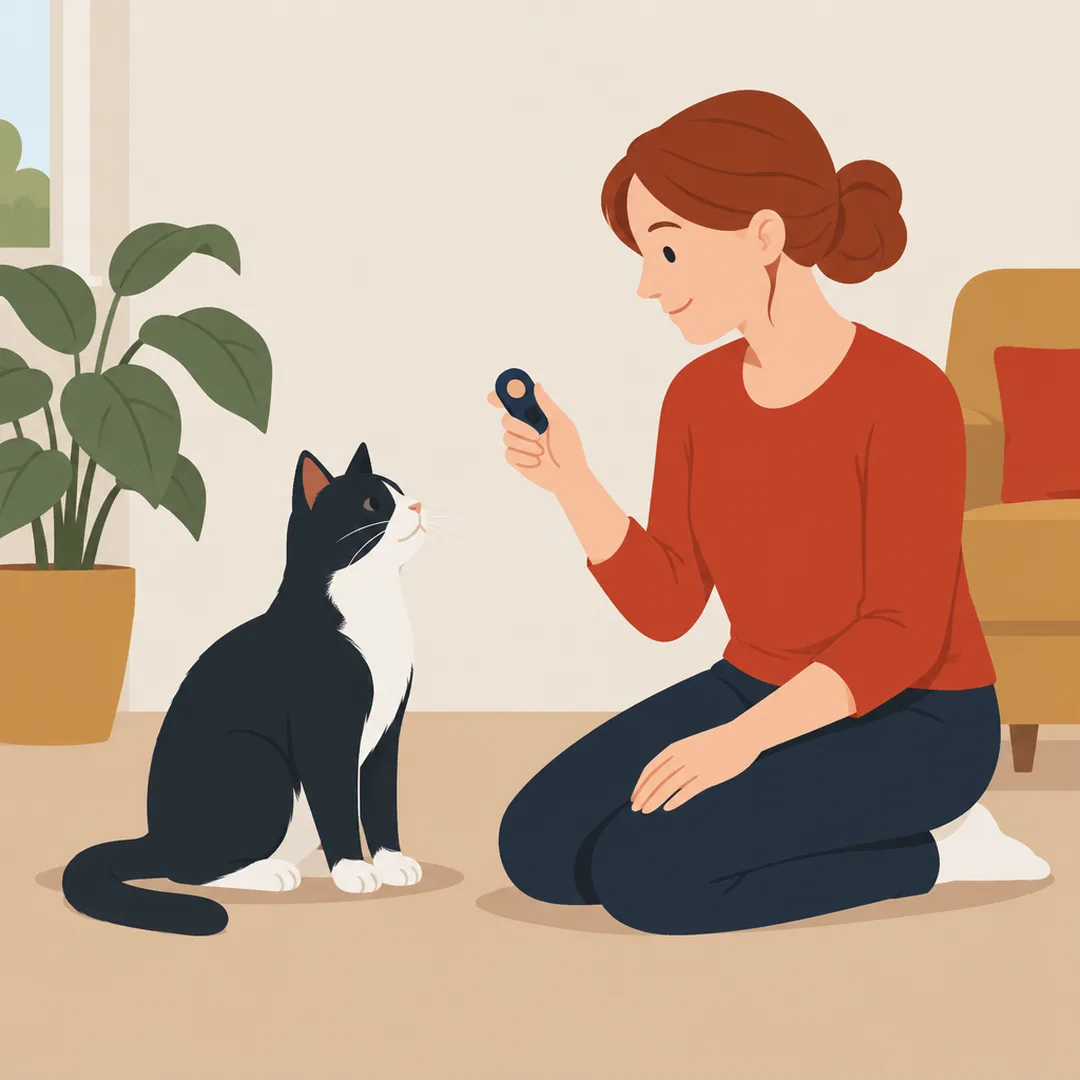
Choosing a marker: clicker, soft click or word
Some cats love the clicker; others flinch at it. Compare box clickers, soft clickers, pen clicks, tongue clicks and verbal markers, and pick the right one for your cat.
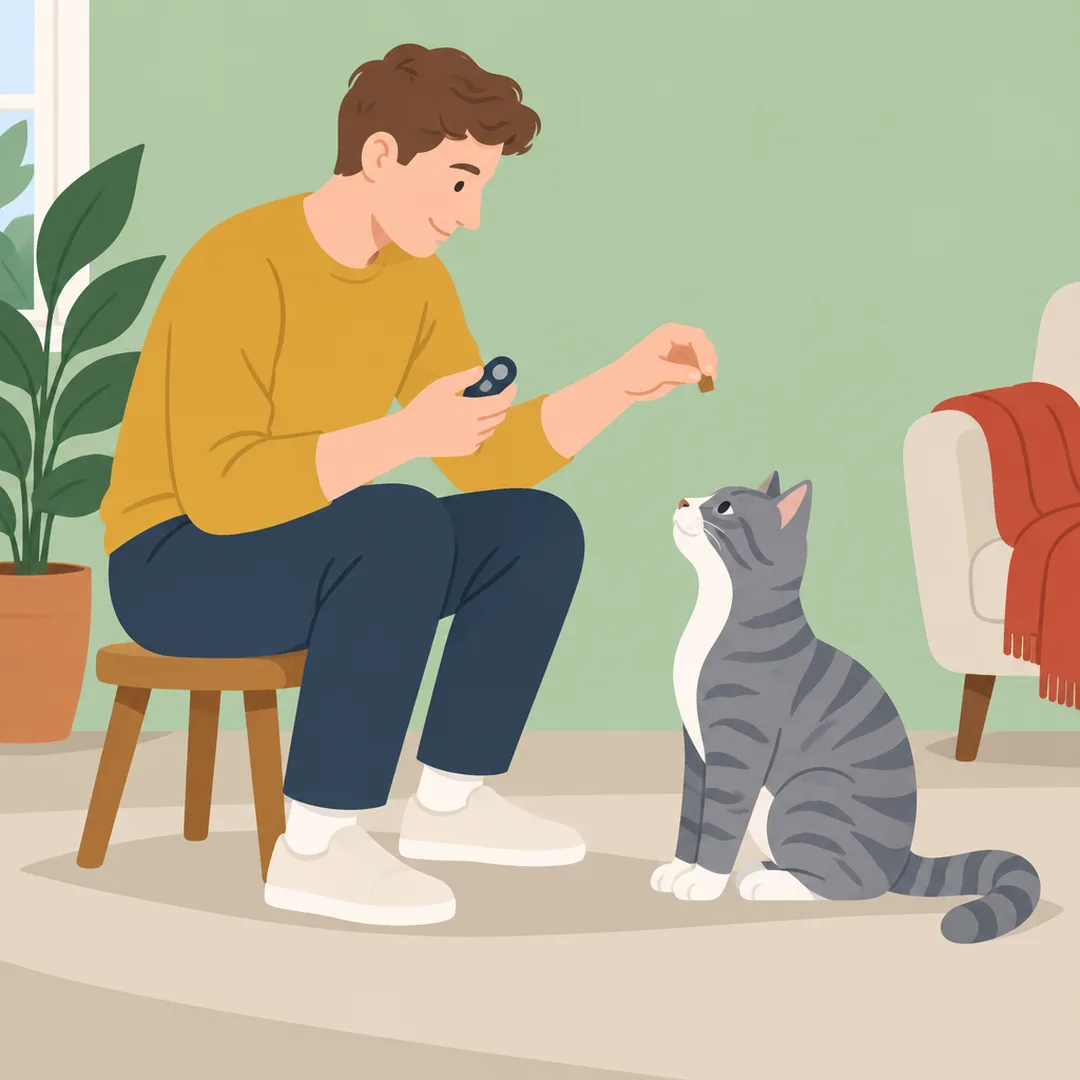
Clicker training basics for cats
How a clicker works, how to 'charge' it, timing, treat delivery and the most common beginner mistakes. Everything you need before your first lesson.
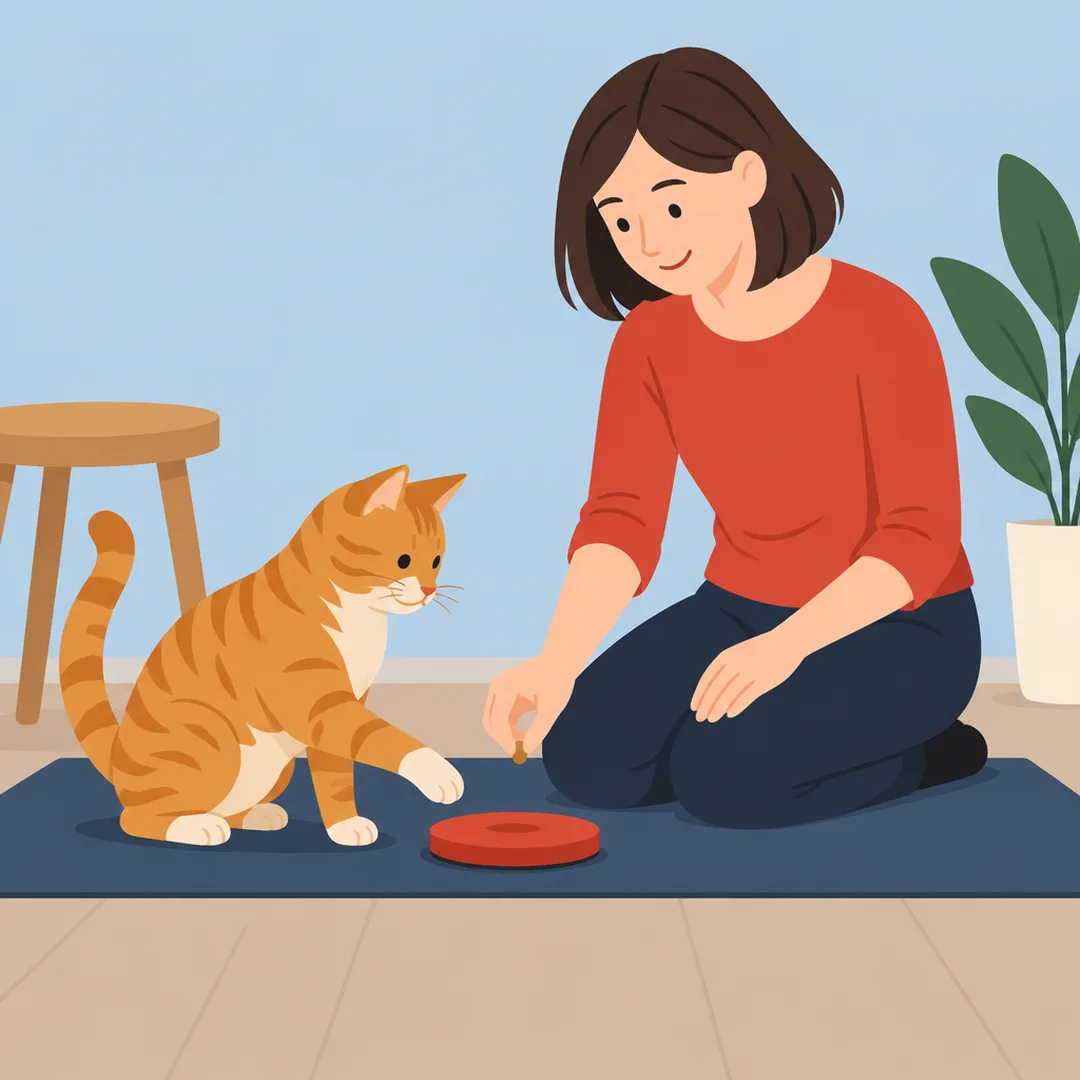
Shaping: building behaviours one small step at a time
Shaping means rewarding tiny steps toward a goal. Learn how to split a behaviour into steps, when to raise the bar, and how to free-shape your cat's first trick.
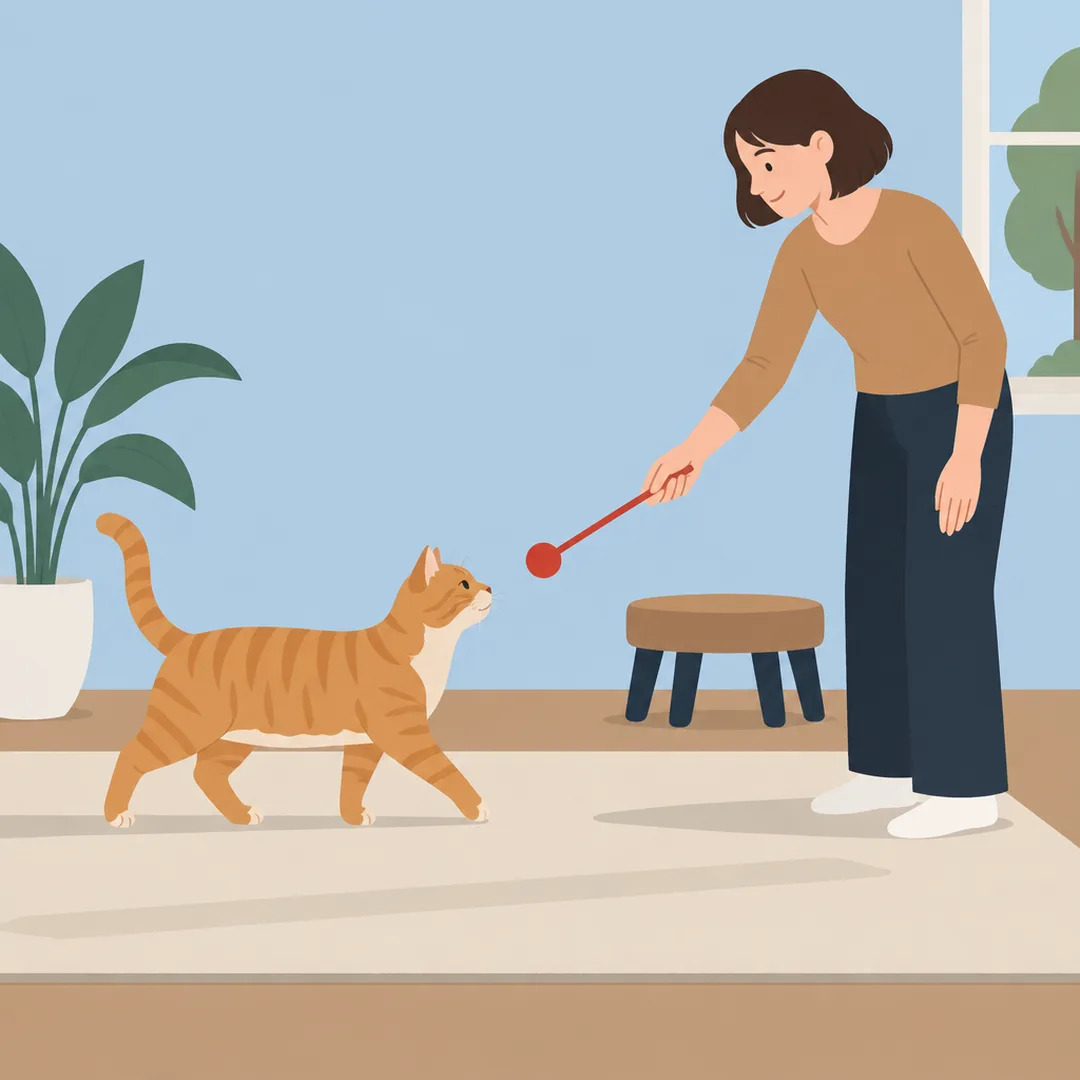
The 3 Ds: duration, distance and distraction
A behaviour is only really learned when it holds up for longer, further away and with things going on. Learn how to build each D separately so your cat succeeds everywhere.
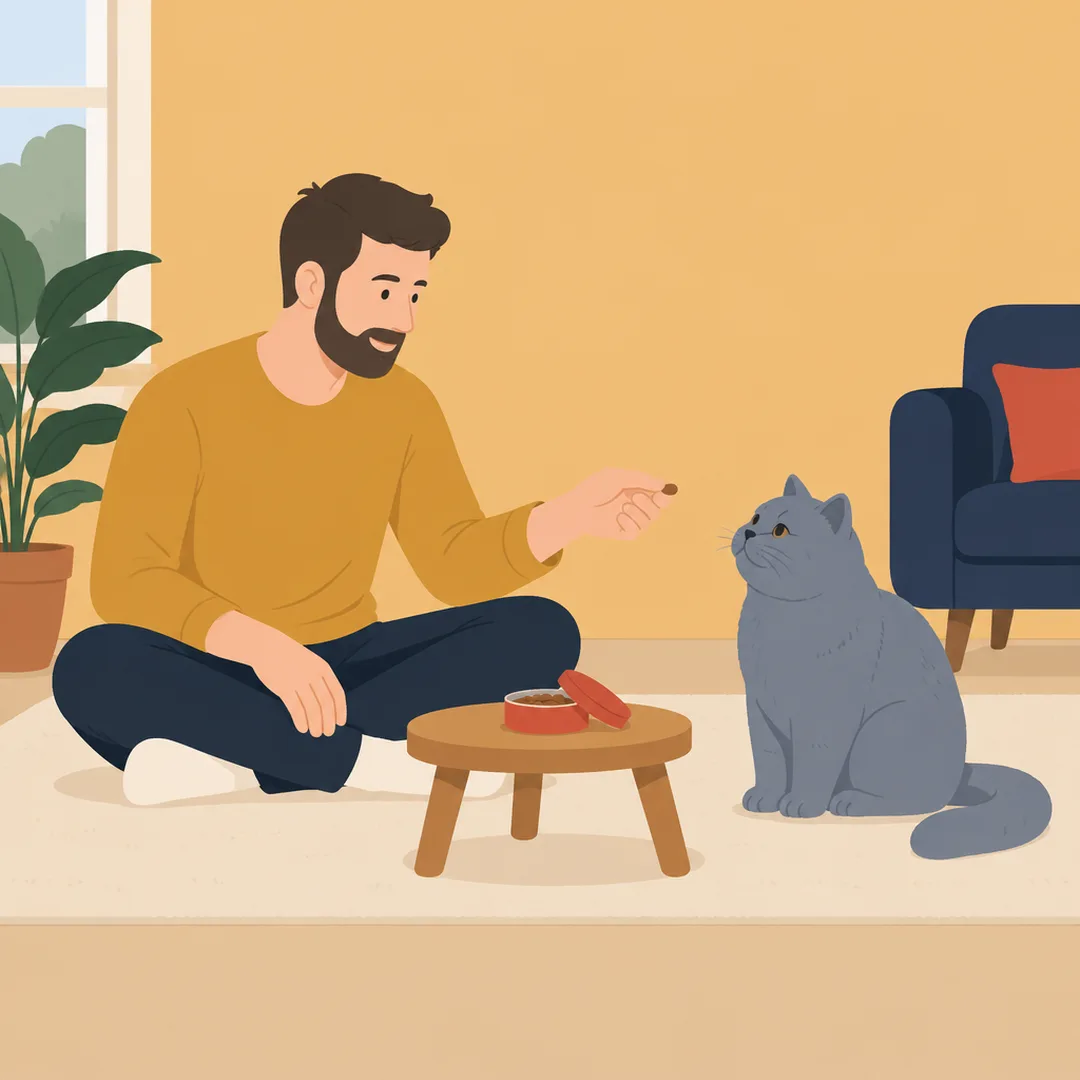
When training stalls: getting past plateaus
Every cat hits a point where progress stops. Find out why, from treat value to session length to hidden pain, and use a simple checklist to get moving again.
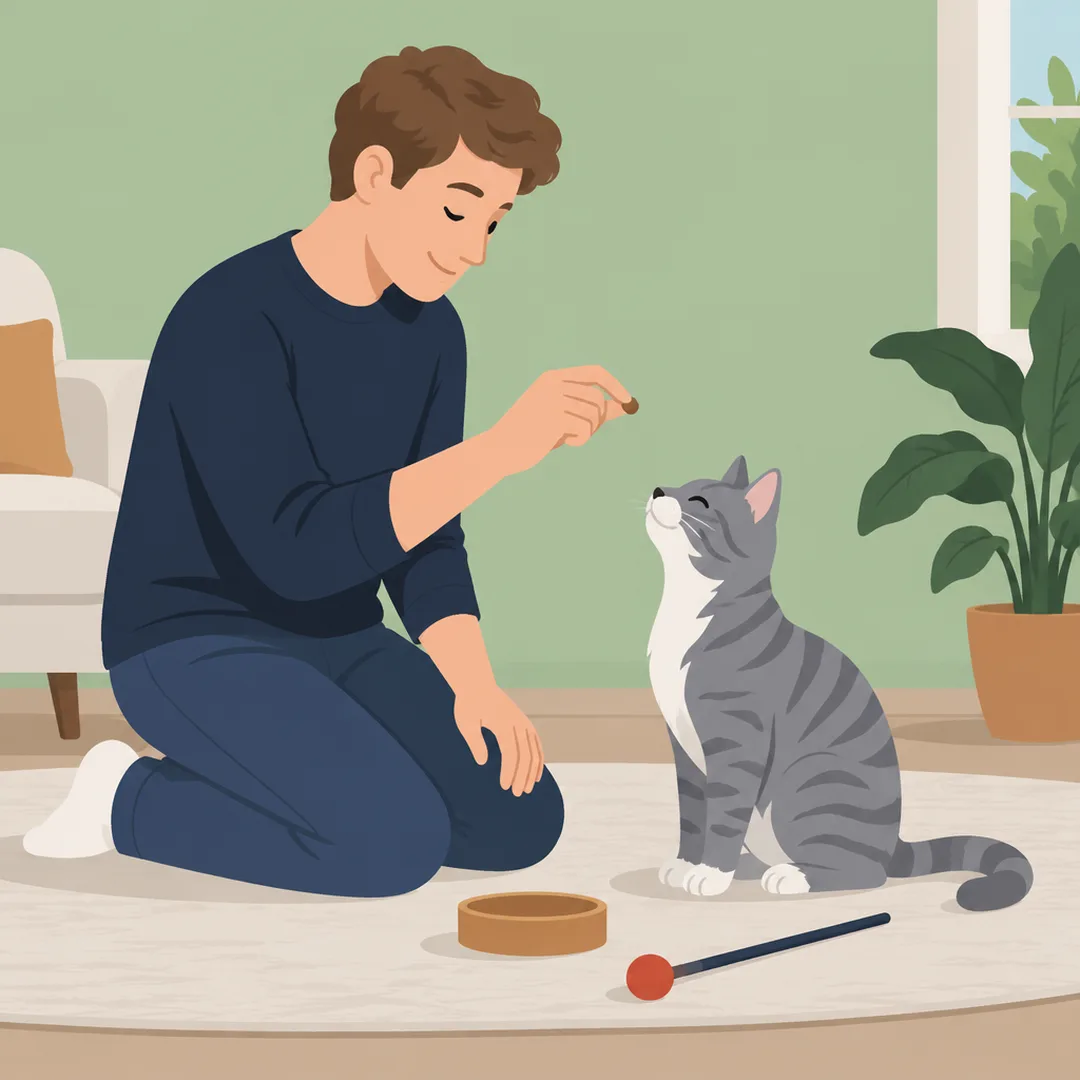
Why train a cat?
Yes, cats can be trained, and they enjoy it. Training with rewards makes vet visits, grooming and daily life easier, and gives your cat's brain a workout.
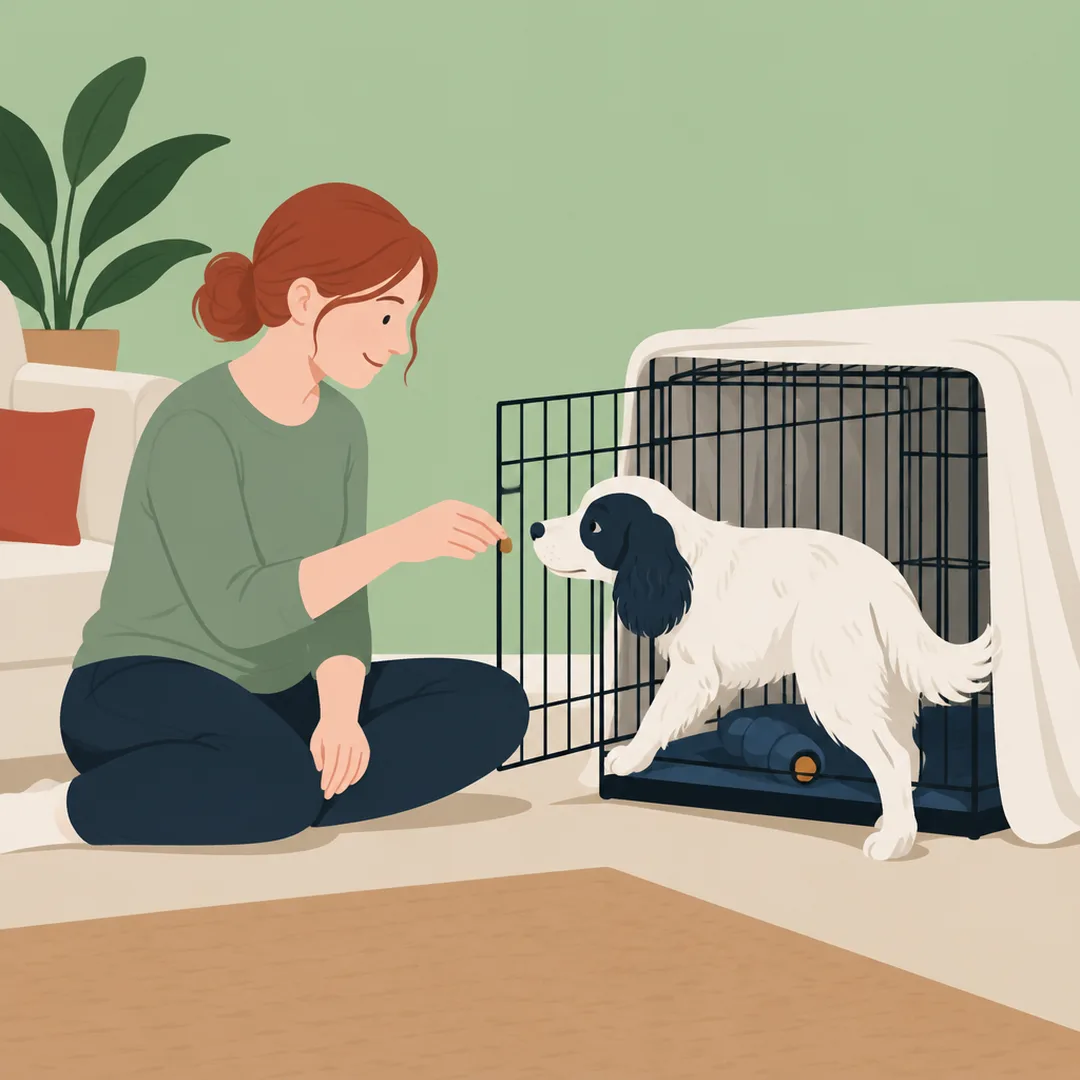
Crate training
A crate can be a safe den your dog naps in, or a scary box if you rush it. Here is how to choose one, build the habit with treats and short sessions, and what to do if your dog panics.
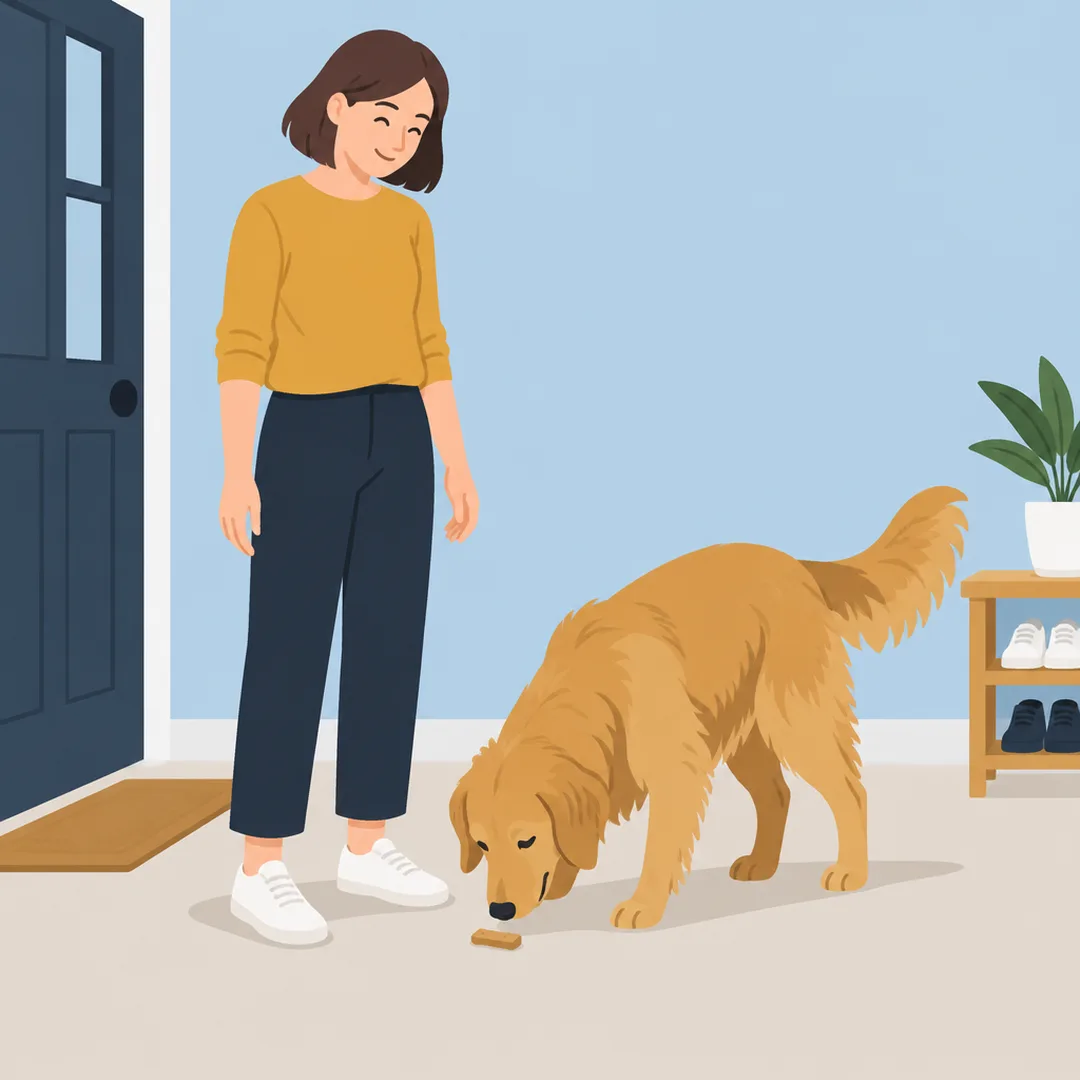
Jumping up
Jumping up is friendly, but it scratches, muddies clothes and can knock people over. Here is why dogs jump and how to teach a calm greeting with rewards, not corrections.

Loose-leash walking principles
Dogs pull because pulling works and because we walk too slowly for them. The principles behind a loose lead, the gear that helps, and a simple plan to start.
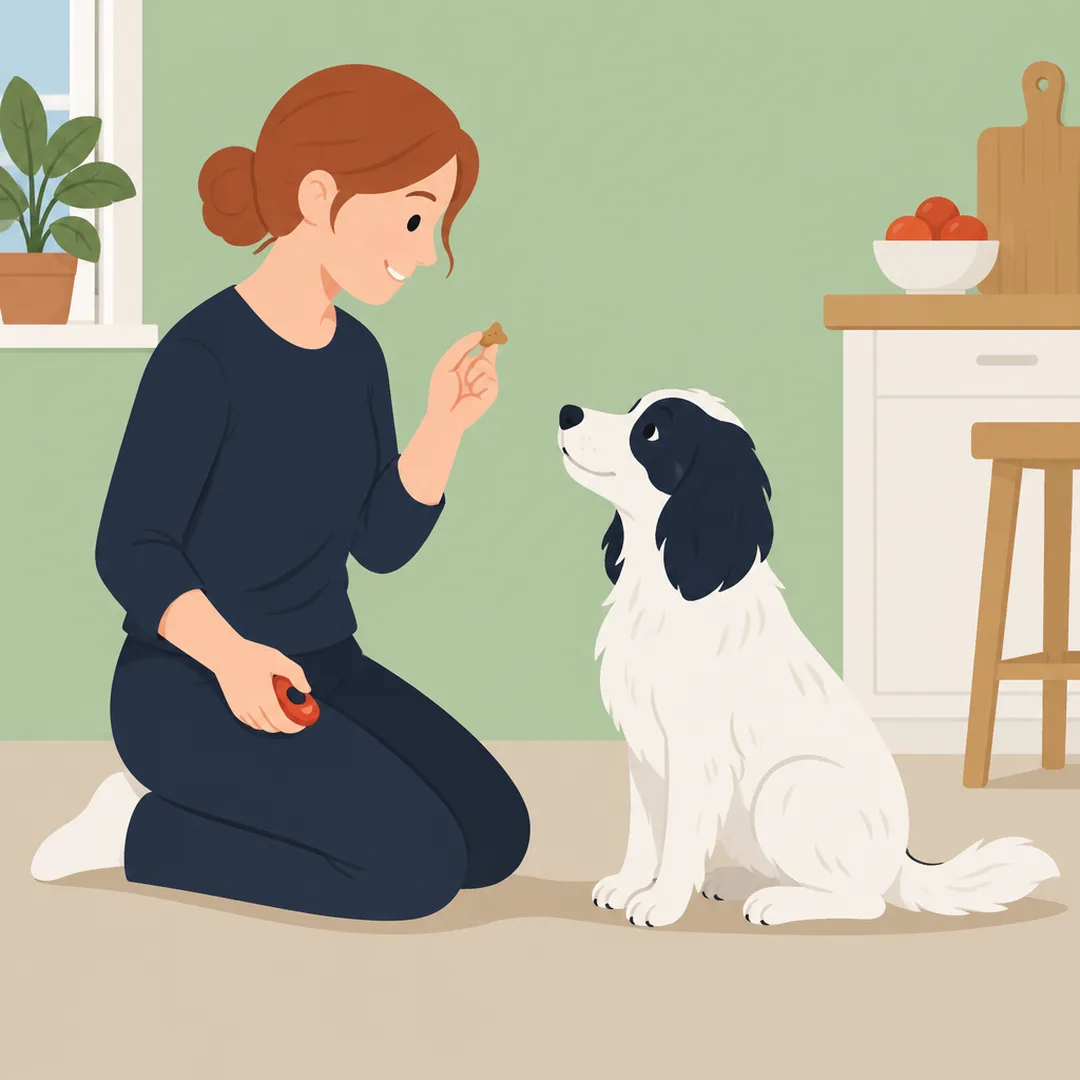
Marker training
A marker pinpoints the exact moment your dog gets it right. How to charge a clicker or a marker word, time it, and keep it working.
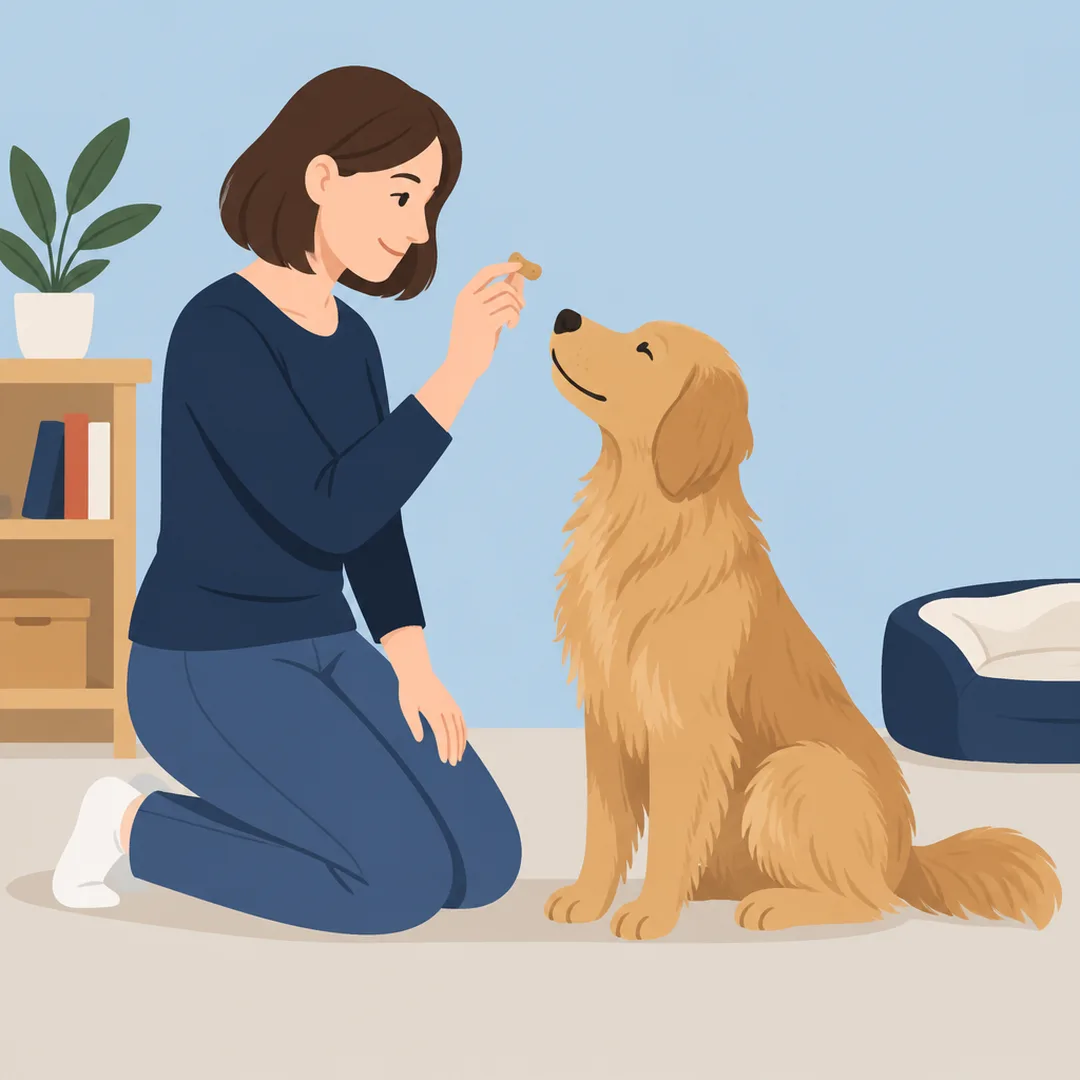
Positive reinforcement training
Rewarding the behaviour you want is the most humane and effective way to train a dog. Here is how reinforcement works, how to pick and time rewards, and why punishment backfires.
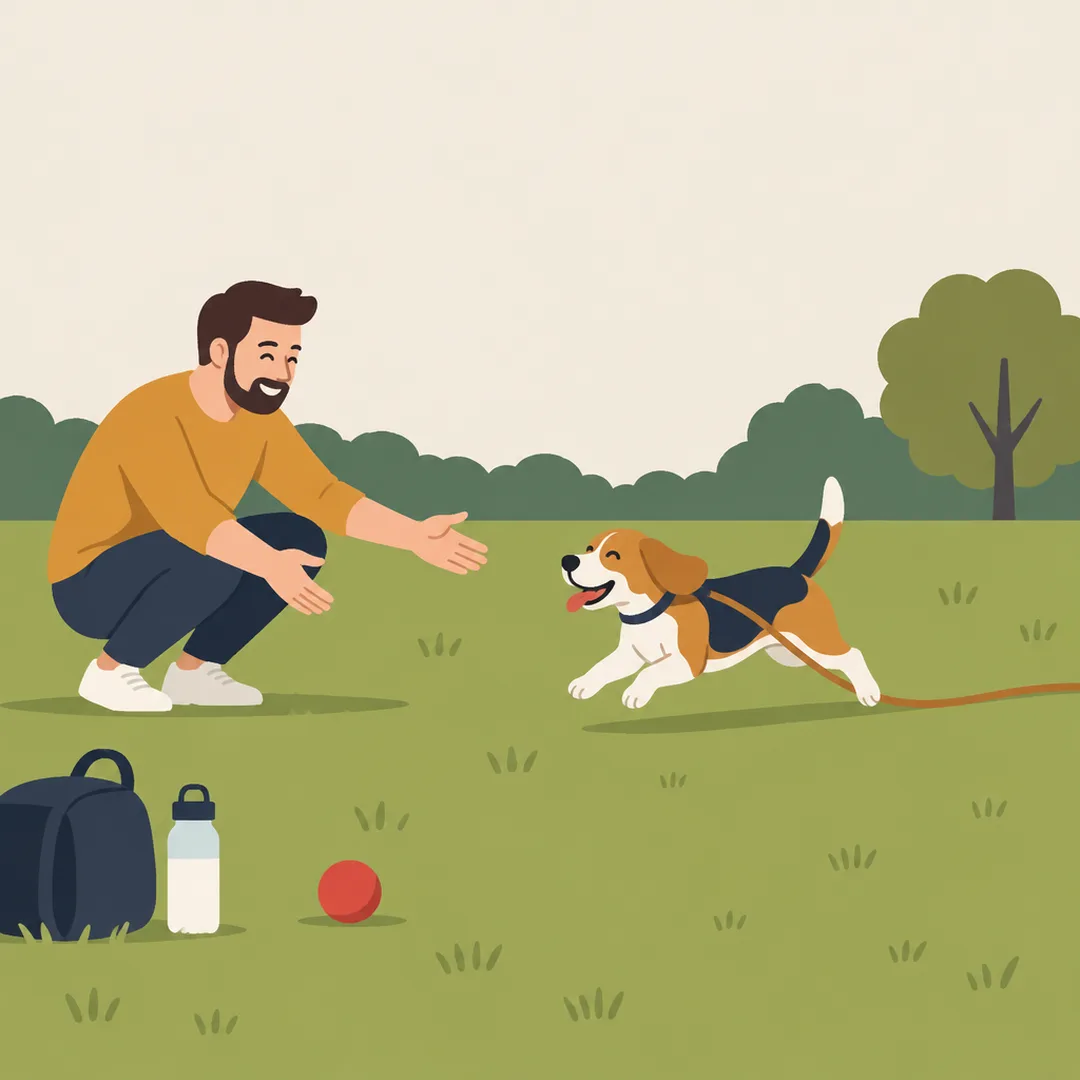
Recall that works
A reliable recall is built, not demanded. Why dogs ignore 'come', how to make your recall worth running for, and how to practise safely with a long line.
Fill today's basket.
Every lesson, game, walk and meal you log drops a toy in the basket. Six toys and the day is done.


Scan with your phone
Your camera opens the right store for your phone.


