Noise fears
Fireworks, thunder and other loud noises can terrify some dogs. This guide covers why it happens, how to keep your dog safe during noisy events, and how gradual sound training can help.
Loud noises are the most common behavioural problem in pet dogs, and fireworks are the most common trigger. This guide covers keeping your dog safe during fireworks and storms, and how gradual sound training can help.
Why some dogs are scared of noises
Dogs hear a much wider range of frequencies than people do, so a sound that seems quiet to you can be loud and frightening to your dog.
Fear of loud noises can be normal, but not when the reaction is out of proportion.
- Noise aversion: your dog is unhappy and may seek comfort or move away, but does not panic.
- Noise phobia: your dog panics and may not calm down even after the noise stops.
Common triggers include fireworks, thunderstorms, alarms, vacuum cleaners, cars and hairdryers. Fear can build: one bad experience or repeated exposure can make it worse.
Signs your dog is scared
Watch for hiding, pacing or trying to escape; trembling, cowering or freezing; tail tucked; whining, barking or howling; destructive chewing or digging; and peeing or pooping indoors.
How long your dog stays frightened after the noise stops matters. If they cannot settle for a long time, take it seriously.
Keep them safe during fireworks and storms
Prepare before the event, not while your dog is already panicking.
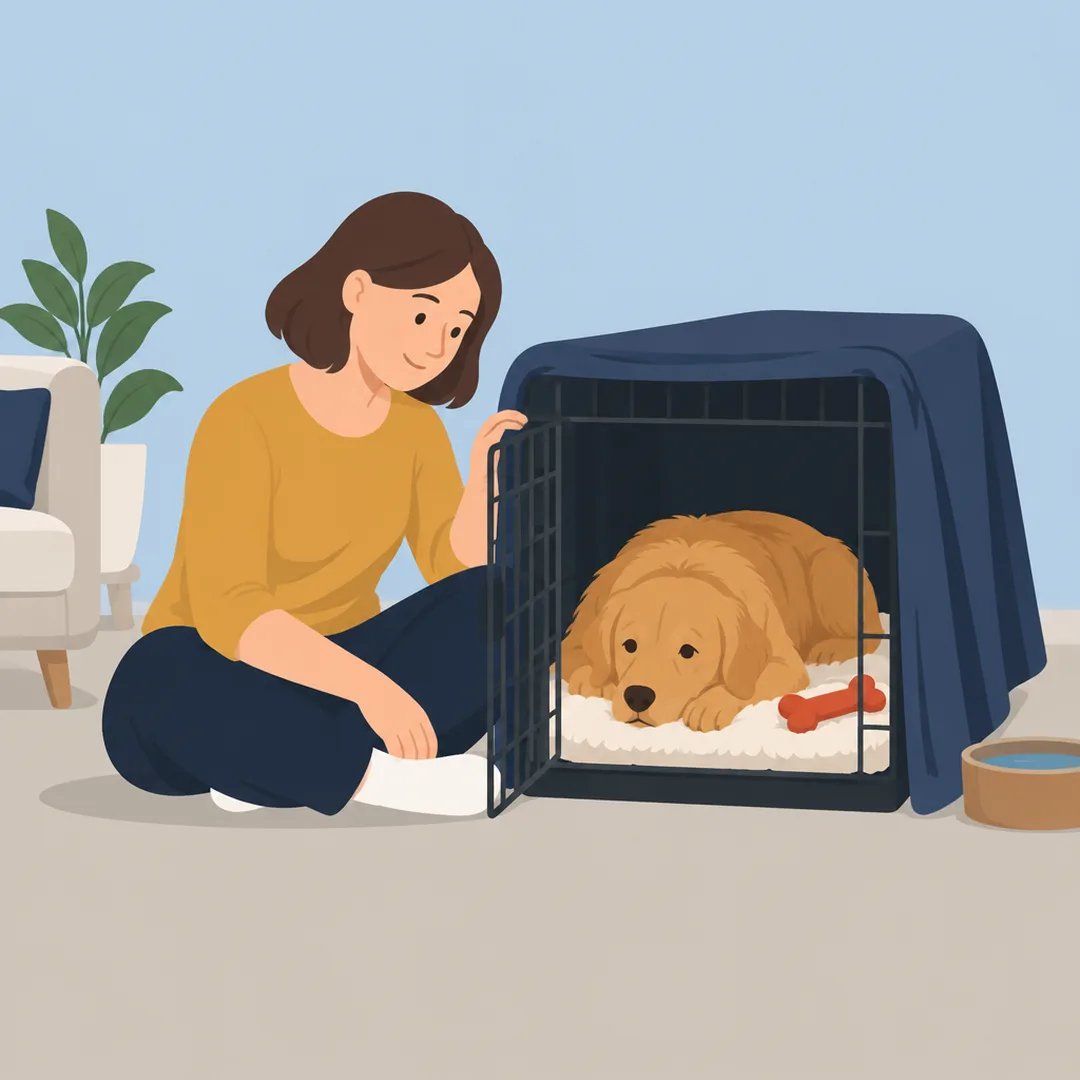
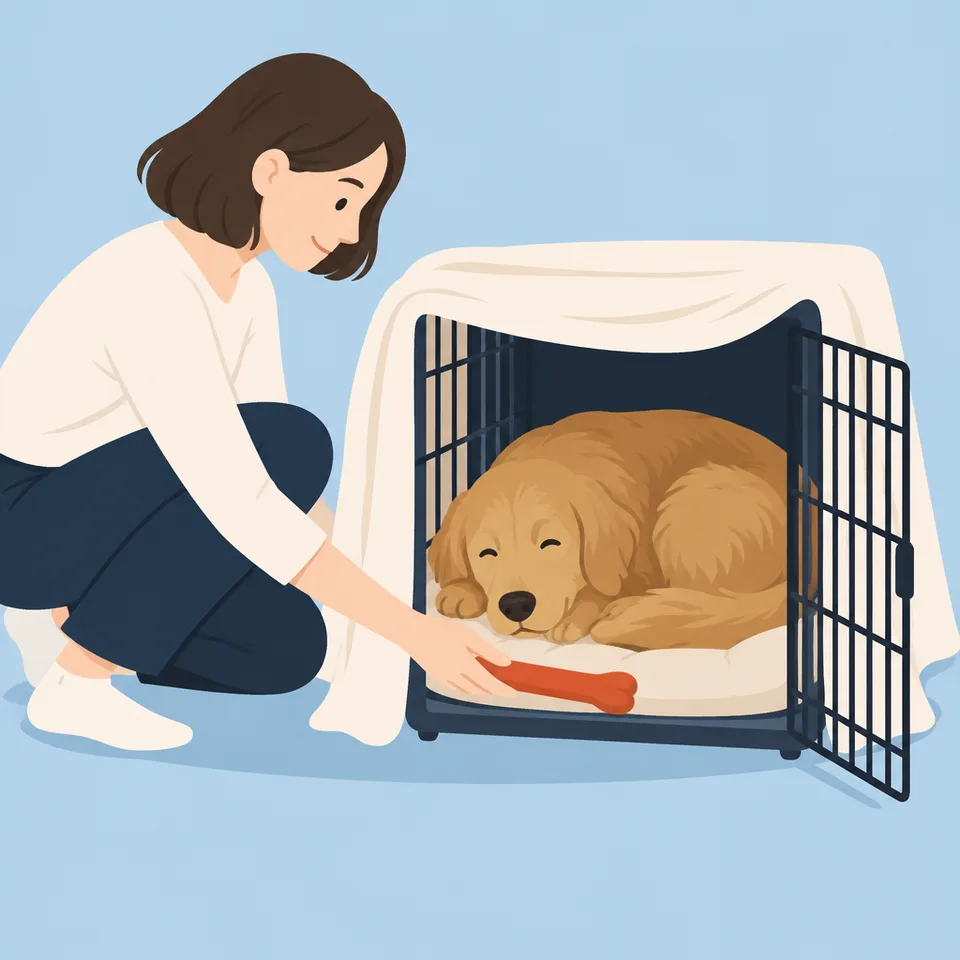
- Make a den: an interior room away from windows, or a crate covered with a blanket, with a soft bed and a chew. Let your dog choose whether to use it.
- Block noise and light: shut windows, close curtains and blinds, and turn on the TV or a fan.
- Stay home, and skip walks during fireworks or when a storm is forecast.
- Never punish. Shouting, hitting or a shock collar makes fear worse. Do not force your dog to stay near the scary sound either.
Help them cope in the moment
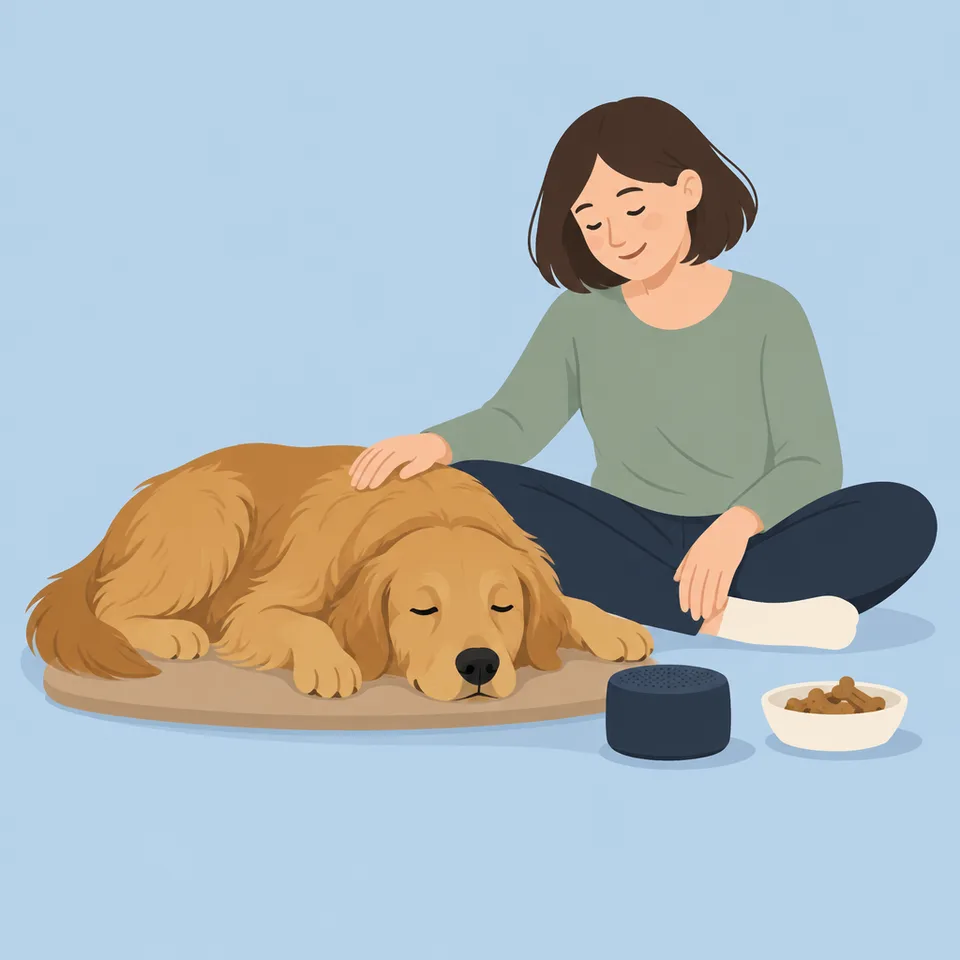
Comfort is not a reward for fear. If your dog comes to you, gentle petting and a calm voice are fine. It is a myth that you should ignore a frightened dog.
Offer a long-lasting chew, a food toy or a treat, but do not force food. If your dog will not take high-value food, they are likely very afraid.
If your dog can still eat or play, give a treat or start a quick game when a bang happens, so the noise starts to predict something good.
Teach a calmer response over time
Desensitisation and counterconditioning is the main training approach. Play a recording of the sound at a very low volume for a few minutes, and reward your dog with treats, dinner or play while it plays. If they show any sign of fear, lower the volume and go slower next time. Build volume and duration over weeks or months.
Before you add sound, teach a relaxation cue: reward your dog for lying calmly on a mat. Get guidance from your vet, a vet nurse or an accredited behaviourist, because done badly, sound training can increase fear.
Get help for severe fear
Severe panic needs professional help: shaking, drooling, trying to escape or being unable to settle. Start with your vet, who can check for pain or illness that makes noise sensitivity worse, especially if the fear starts suddenly or in an older dog. They may prescribe anti-anxiety medication to reduce fear and help your dog learn. Never use human medicines or anything not prescribed for your dog.
When to call the vet
Call your vet if your dog suddenly becomes afraid of noises, or if they injure themselves trying to escape. Speak to your vet or a behaviourist before using any calming supplement. Never give human medication.
Key points
- Fireworks, thunder and other loud noises are common fear triggers in dogs.
- Set up a safe den, block noise and light, and stay home during events.
- Comfort a frightened dog if they ask for it. Never punish or force them near the sound.
- Teach relaxation first, then use very low sound and rewards, building slowly.
- Sudden or severe fear needs a vet check and a professional behaviour plan.