Foods that are toxic to dogs
Chocolate, grapes, xylitol, onions and more. What is dangerous, why, how much it takes, and exactly what to do if your dog eats something they should not.
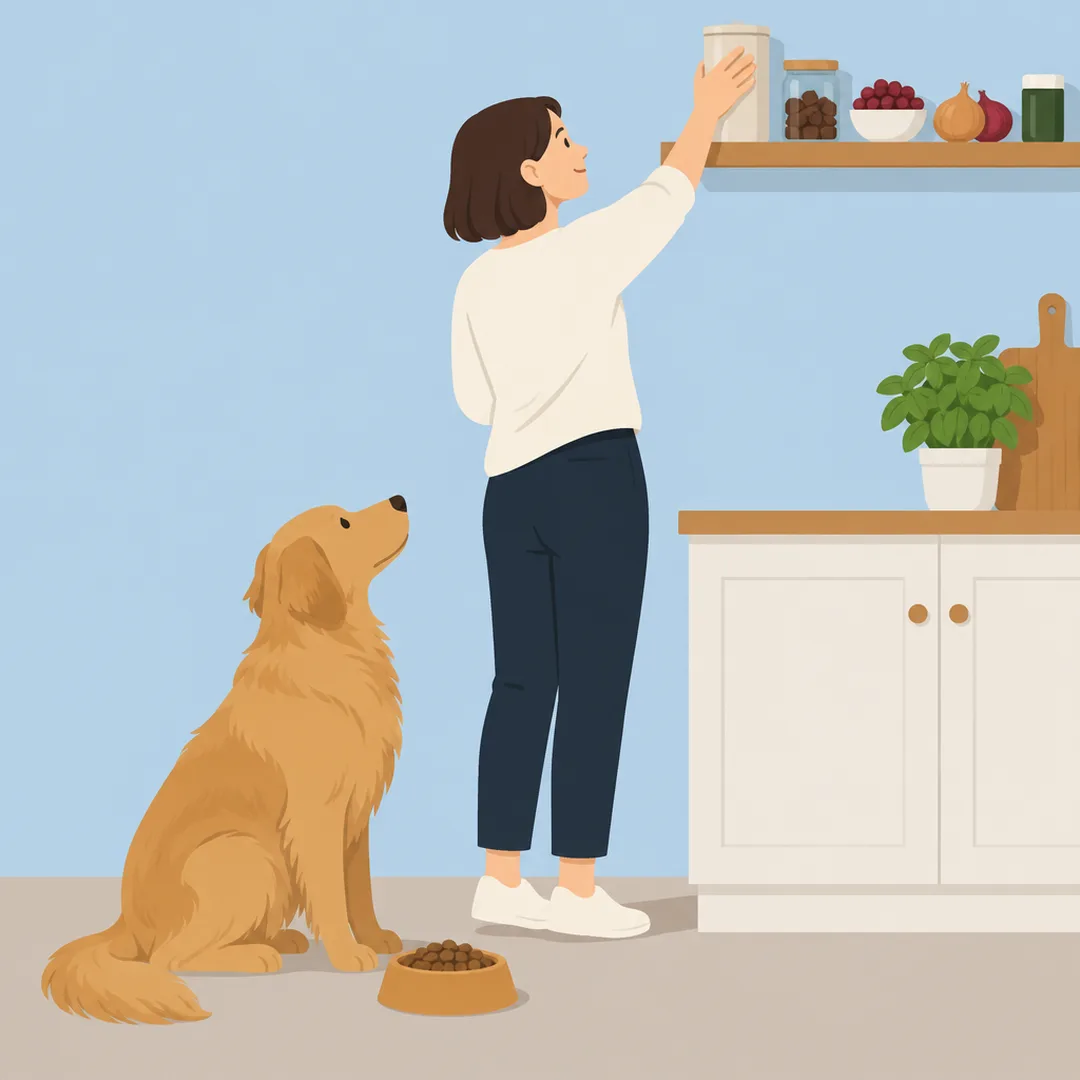
Dogs are opportunists. A dropped sweet, a handbag on the floor or a plate left on the coffee table can turn into an emergency. Knowing which foods are dangerous, and what to do fast, can save your dog's life.
How much harm a food does depends on what it is, how much your dog ate and how big your dog is. If in doubt, call. Do not wait for signs.
The most dangerous foods
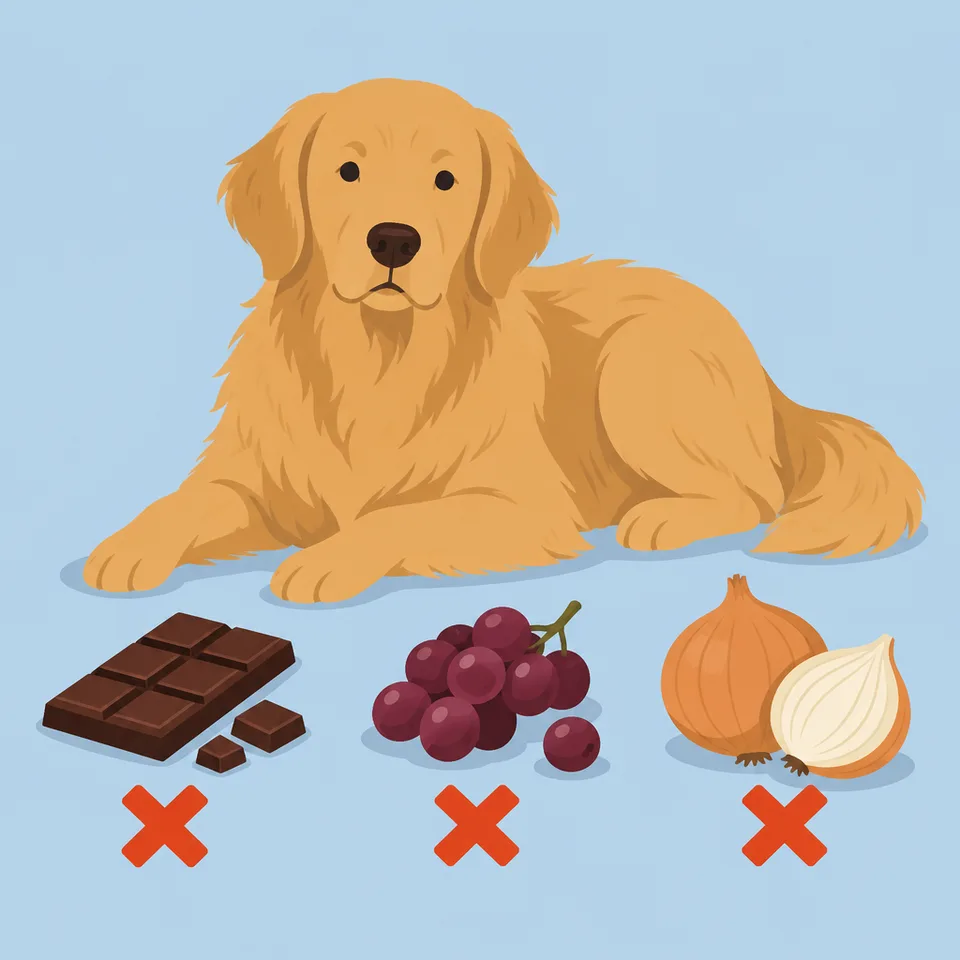
Chocolate
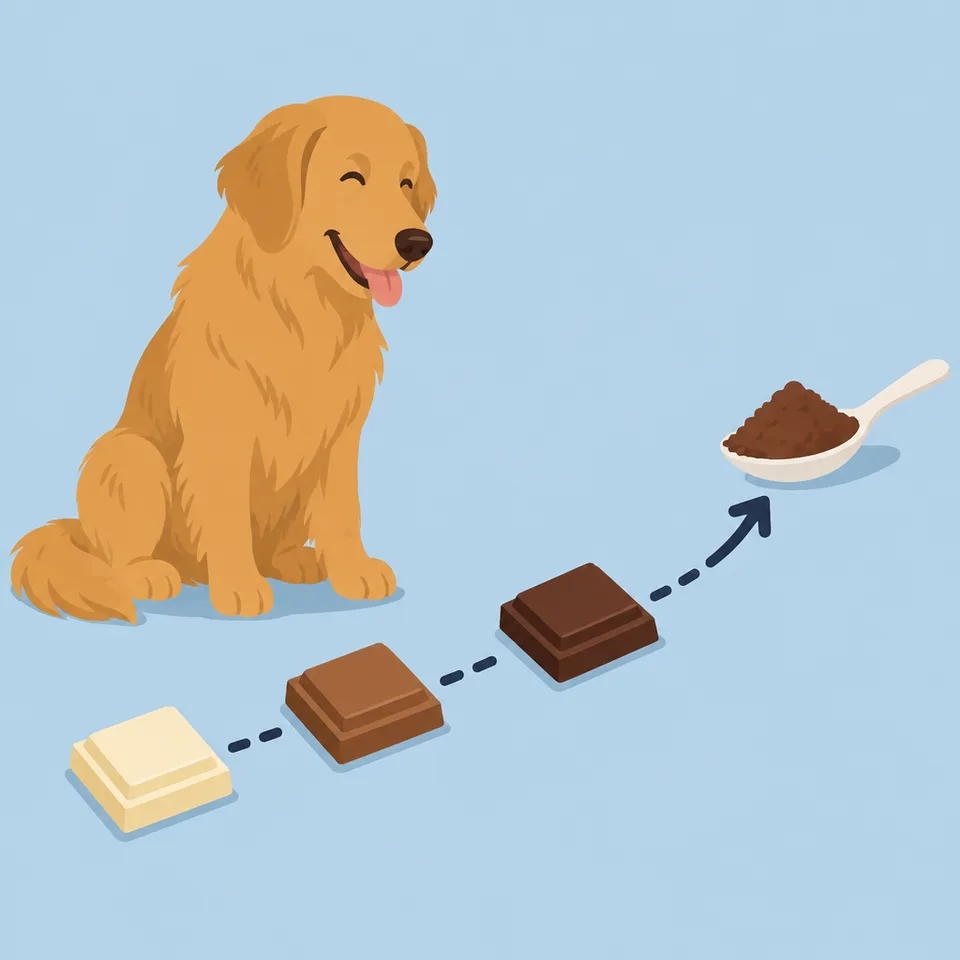
Chocolate contains theobromine and caffeine, which dogs process slowly. Signs include vomiting, diarrhoea, restlessness, panting, a racing heart, tremors and, in serious cases, seizures. The darker and more bitter the chocolate, the more dangerous it is. Baking chocolate and cocoa powder are the worst; white chocolate has very little theobromine, but its fat and sugar can still upset the stomach and trigger pancreatitis. Pet Poison Helpline notes signs can take 6 to 12 hours to appear.
Grapes, raisins, sultanas and currants
These can cause sudden kidney failure in dogs. Research now points to tartaric acid as a likely cause, but there is no known safe amount, and some dogs react to a few while others eat more without harm. Treat any amount as an emergency. That includes raisins in cakes, hot cross buns, trail mix and cereal bars.
Xylitol (also called birch sugar)
This sweetener is in sugar-free gum, mints, some peanut butters, sweets, baked goods, toothpaste and chewable vitamins. In dogs it causes a fast insulin release and a dangerous drop in blood sugar, often within 10 to 60 minutes, and at higher doses can cause liver failure. Signs include vomiting, weakness, wobbling, collapse and seizures. Pet Poison Helpline lists xylitol as one of the most dangerous items for dogs. Check peanut butter labels before using it for treats.
Onions, garlic, leeks and chives
All members of the allium family damage red blood cells and can cause anaemia. Raw, cooked, dried and powdered forms all count, so watch gravy, stock cubes, soups and baby food. Signs can be delayed by several days: tiredness, pale gums, fast breathing and red or brown urine.
Macadamia nuts
These can cause weakness (especially in the back legs), vomiting, tremors and a high temperature, usually within 12 hours. Signs often pass in a day or two with care, but always call your vet, especially if mixed with chocolate.
Alcohol and raw yeast dough
Alcohol causes vomiting, wobbling, low blood sugar, low body temperature and breathing problems; dogs are far more sensitive than people. Raw bread dough expands in the warm stomach, which can cause bloating, and its yeast produces alcohol.
Caffeine
Coffee, coffee grounds, tea bags, energy drinks and caffeine pills act like chocolate: restlessness, fast heart rate, tremors and seizures.
Other risky foods
- Cooked bones can splinter and cause choking, broken teeth or a blocked or torn gut.
- Fatty foods (bacon, sausages, roast skin, dripping) can trigger pancreatitis.
- Corn cobs, peach and plum stones, and avocado stones can block the intestines.
- Salty snacks and homemade play dough can cause salt poisoning in large amounts.
- Mouldy food from bins or compost can contain toxins that cause tremors.
- Avocado flesh is less dangerous for dogs than often claimed, but the stone is a choking and blockage risk.
If your dog eats something toxic
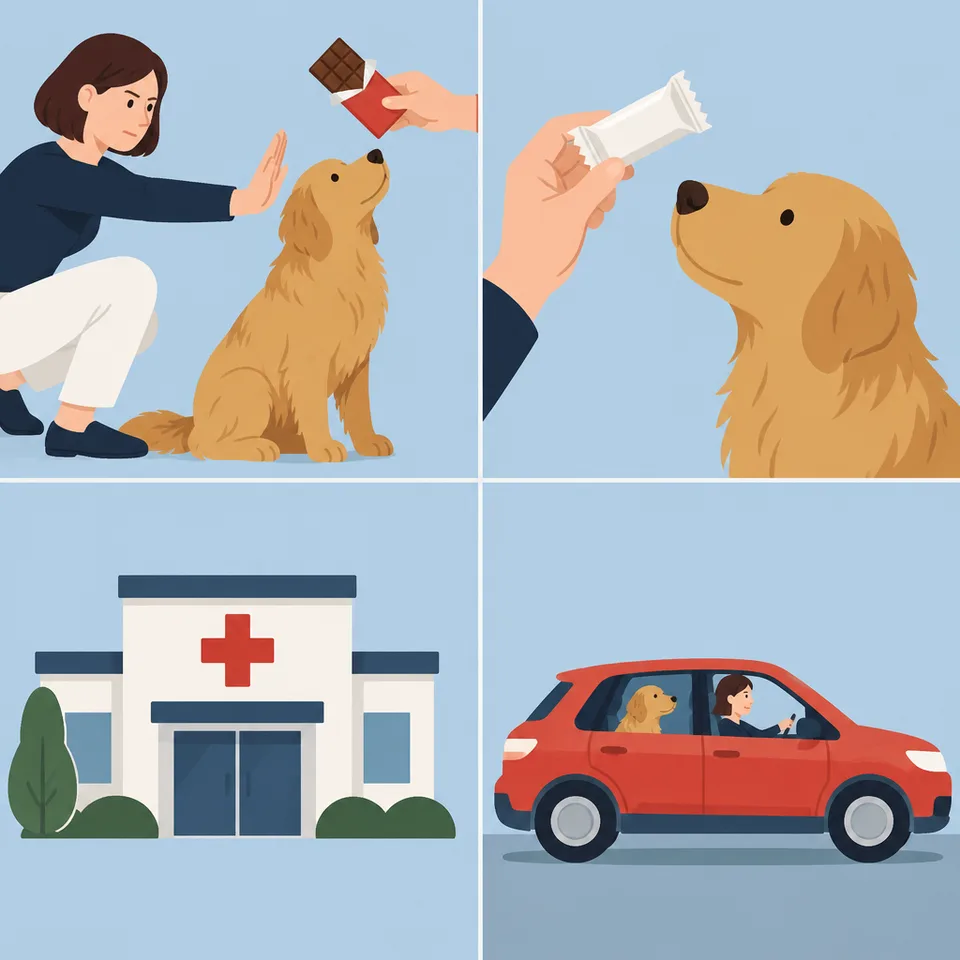
- Remove the rest and keep other pets away.
- Work out what, how much and when. Keep the wrapper or packaging; take a photo of the label.
- Call your vet or an animal poison line straight away, even if your dog seems fine. In the US: ASPCA Animal Poison Control (888) 426-4435 or Pet Poison Helpline (855) 764-7661 (both may charge a fee). Elsewhere, call your vet or emergency clinic.
- Do not make your dog vomit unless a vet tells you to. Salt, mustard and hydrogen peroxide given at home can cause harm, and some items do more damage coming back up.
- Go to the clinic if advised. Vets can safely make your dog vomit, give activated charcoal or start fluids and monitoring. Treatment works best when started early.
The AVMA advises having your dog's weight, the product and the time of eating ready when you call.
Prevention
- Keep handbags, coats and shopping off the floor.
- Store sweets, gum, nuts and raisins in high cupboards.
- Use a dog-proof bin with a lid.
- Tell visitors and children not to share food.
- Be extra careful at holidays: chocolate eggs, Christmas cake, mince pies and parties.
- Teach "leave it" and "drop" with rewards (see the training lessons).
Small and large dog notes
- Small dogs need much less to be poisoned. A square of dark chocolate that might upset a Labrador could be dangerous for a Chihuahua.
- Large dogs can reach worktops and tables, so counter-surfing is a bigger risk.
- Puppies chew everything and have low reserves; act faster.
Key points
- Chocolate, grapes and raisins, xylitol, onions and garlic, macadamias, alcohol, raw dough and caffeine are dangerous for dogs.
- Size matters: small dogs are harmed by smaller amounts.
- Call your vet or a poison line straight away, even if your dog seems well.
- Never make your dog vomit unless a vet tells you to.
- Prevention is easy: store food high, use a dog-proof bin and check labels for xylitol.
When to call the vet
- Any time your dog eats a food on this list, or you are not sure what they ate.
- Vomiting, diarrhoea, restlessness, wobbling, tremors, weakness, collapse or seizures after eating something unusual.
- Pale gums, fast breathing or red or brown urine in the days after eating onions or garlic.
This is general guidance, not veterinary advice. If you're worried about your pet, call your vet.