Multi-cat harmony
Peaceful multi-cat homes come from enough spread-out resources, space to avoid each other, and calm routines. Learn how to set up your home and what to do when tension turns into fighting.
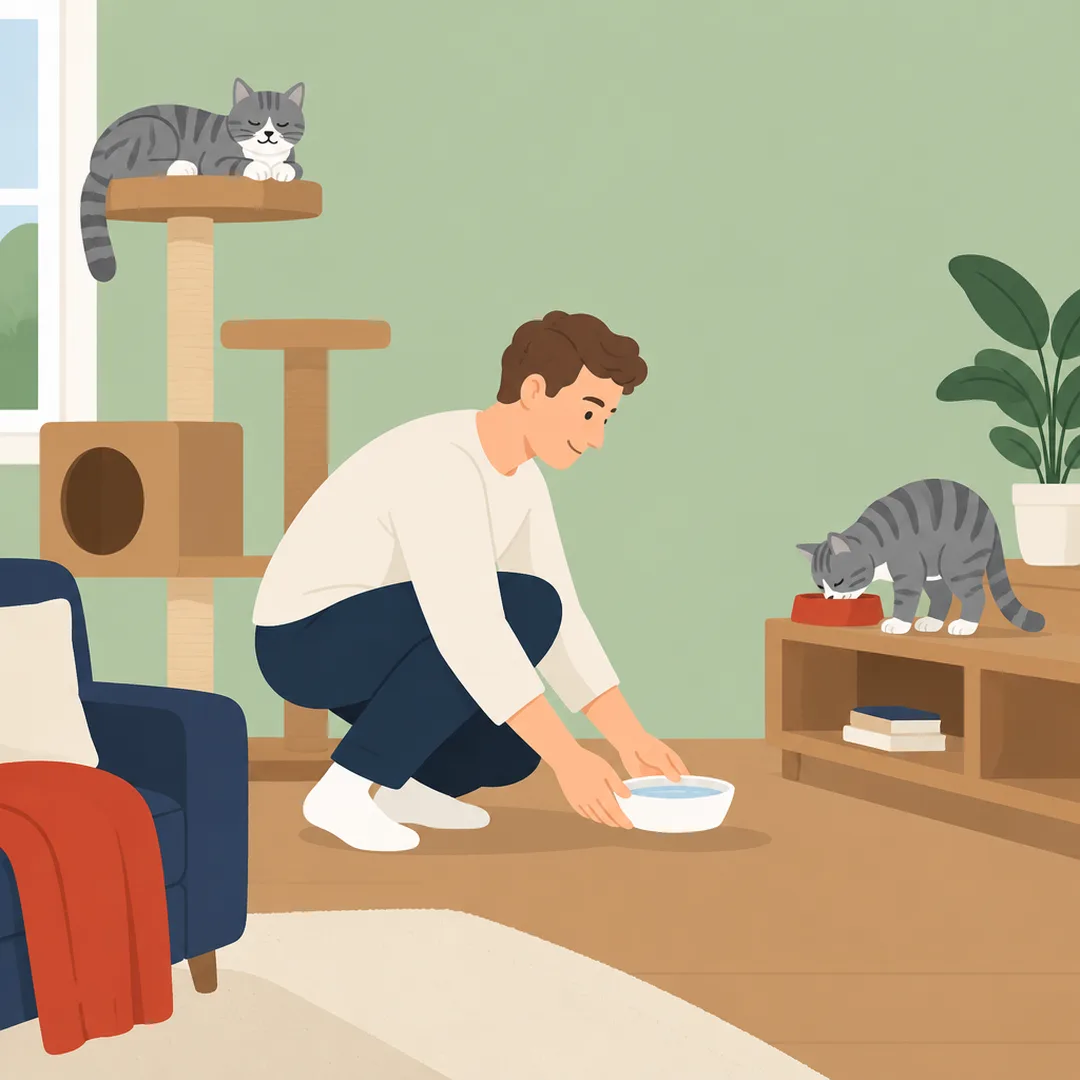
Multi-cat homes work best when each cat can choose where to eat, rest, drink and toilet without having to pass another cat. Your cats do not need to be best friends. Many cats live in separate social groups and stay peaceful by avoiding each other. This article covers the resources, space and routines that reduce tension.
Start with enough resources
Provide at least one of every key resource per cat, plus one extra. That means food bowls, water bowls, litter trays, beds, high resting places, scratching posts and toys. Place each one in a different location, not lined up in one room. A commonly used formula is one resource per cat plus one extra, positioned in different locations.
Litter trays need special care. Cats may block or guard a tray, so put trays in separate, quiet spots away from food and noisy appliances. Ten trays in one room is the same as one big tray to a cat.
High places and private areas matter too. Give each cat a perch and a dark, warm hiding place that is left alone. Scratching posts should be tall enough to stretch fully and placed near resting and entry areas.
Spread out feeding and water
Cats are solitary hunters and feeders. They would naturally choose to eat alone, so avoid putting bowls side by side in the kitchen. Feed cats in different rooms or on different levels, with a visual barrier between them. If one cat steals food, try a microchip feeder or feed in a closed room.
Keep water away from food. Place several water bowls in different areas, and use wide bowls so your cat can drink while watching what is happening around them. Cats may avoid drinking if another cat challenges them.
Give cats space to avoid each other
Watch your cats for a week and note who grooms, rubs, sleeps or plays with whom. You may find one group, several small groups, or cats who prefer to be alone. Then place resources for each group in the areas they use most. This lets cats avoid each other without missing meals or a litter tray.
Signs of tension include staring, blocking doorways or trays, leaving a room when another cat enters, hiding, hissing, chasing and swiping. A house map can help. Draw each room and mark where food, water, litter, beds and perches are. Look for spots where cats must cross another cat's area to reach a resource.
Routines, play and calm rewards
Boredom and competition for basic resources are common reasons for behaviour problems. Add enrichment: vertical space, hiding spots, scratching posts, food puzzles and interactive toys. Spread toys and puzzles around the home so they do not become new competition points.
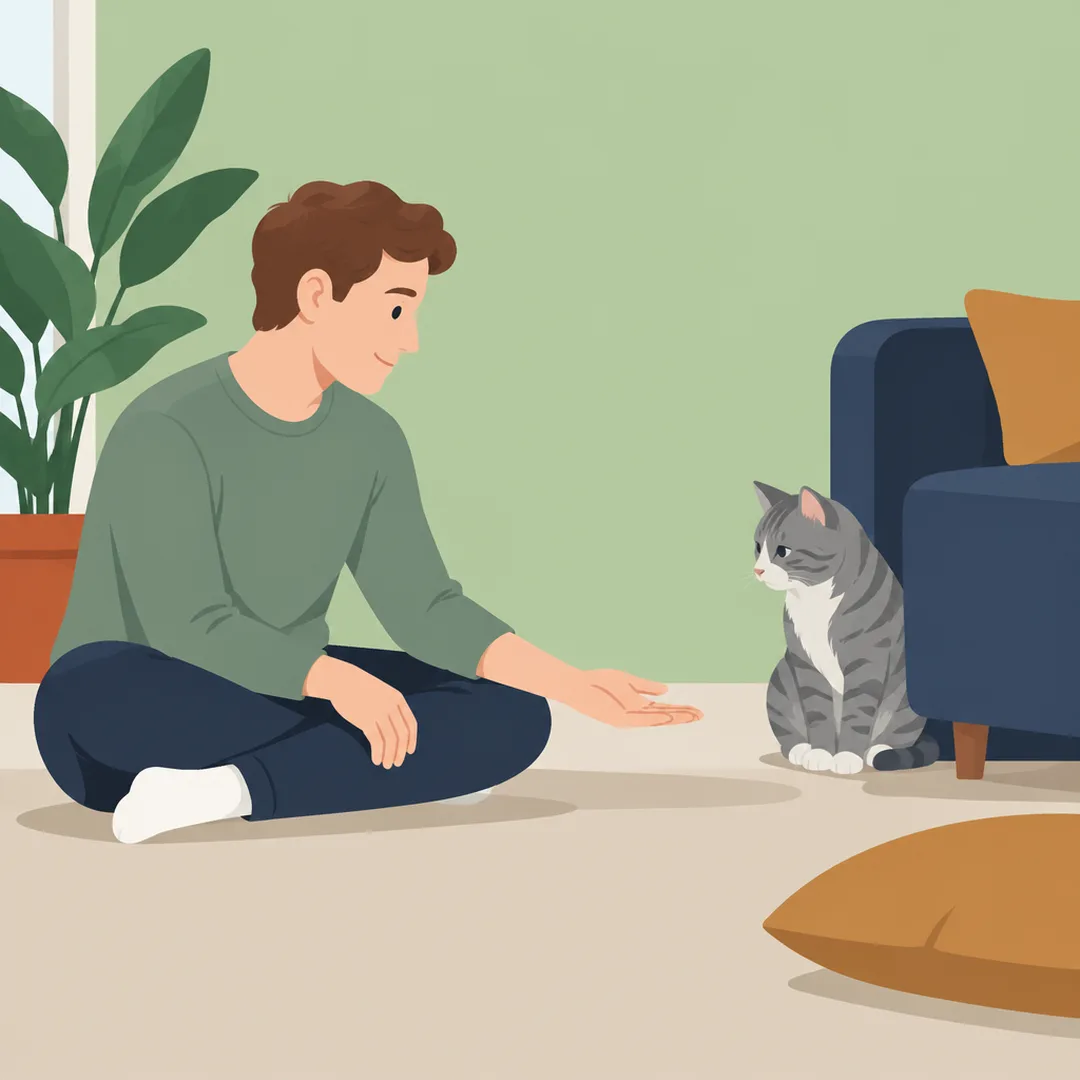
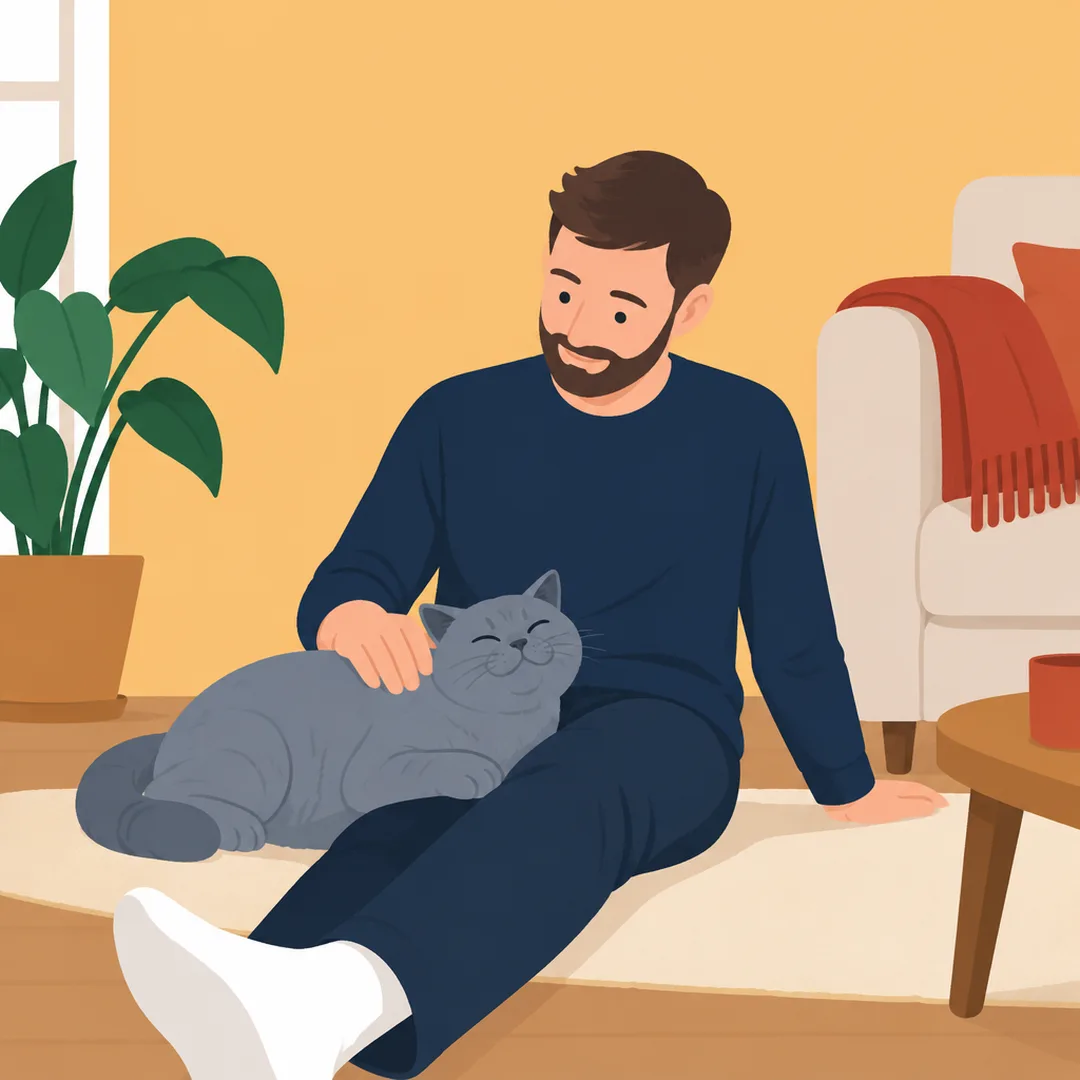
Play with each cat separately if one cat takes over. Interactive play helps use up pent-up energy and can change a room from a place where bad things happen into a place where fun happens. Reward calm behaviour when cats are near each other with treats or praise.
When tension turns into fighting
Fighting is a last resort and cats are highly aroused, so do not reach in with your hands. If there is an object nearby, place it gently between the cats to separate them. Do not touch either cat with it, and do not move it quickly or forcefully. A sudden noise not connected to you can startle cats apart, but it should not frighten them.
After a fight, leave the cats alone for at least half an hour to let arousal fall. Then check both cats calmly for wounds. A cat who returns from a veterinary hospital stay, or who went missing, brings home new scents that can disrupt the relationship. If you add a new cat, introduce them gradually: keep them separate at first and allow scent and visual contact before face-to-face meetings.
When to call the vet
Call your vet now if a fight causes wounds or severe bleeding. Also call your vet if you see stress-related signs: hiding, over-grooming, not eating, urine spraying, or eliminating outside the litter box. These can be linked to health problems such as cystitis. If tension continues despite good resources and space, ask your vet about referral to a certified animal behaviourist.
Key points
- Give one resource per cat plus one extra, spread through the home.
- Keep food, water, litter, beds and perches apart so cats can avoid each other.
- Feed cats separately and watch for tension signs like staring, blocking or hiding.
- Use play, enrichment and calm rewards to reduce stress.
- Never use hands to break up a fight; separate gently and check for wounds.
- Call your vet for wounds, stress-related health signs, or ongoing conflict.