Living with an adolescent dog
Your puppy is suddenly tall, fast and seems to have forgotten every cue. What changes in the teenage months, why training slips, and how to stay consistent until your dog matures.
Your puppy is suddenly tall, fast, and seems to have forgotten every cue you taught. This guide explains what happens in the teenage months, why training slips, and how to stay consistent until your dog matures.
What changes in the teenage months
Adolescence can be one of the most challenging and misunderstood stages of a dog's development. Your dog may look fully grown, but the brain is still developing.
The prefrontal cortex is the executive centre, heavily involved in decision-making and rational thought. In dogs, that often takes until they are between 2.5 and 3.5 years of age, depending on breed, size, and some other influences.
Teenagers tend to be a bit impulsive and a little less well emotionally regulated, so behaviour can swing from day to day.
Why your dog seems to forget their training
At this age, some dogs may push back against some of the training they've already learned. It is rarely stubbornness: your dog might perceive that continuing to sniff that specific object outside is better than the reward they get for coming to you when you ask.
Harsher handling backfires. Punishing them will have a negative effect on their mental wellbeing and risks making problems worse. Even a small correction may have a big impact.
Hormone-driven changes
As your dog reaches sexual maturity, hormones come into play. You may see urine marking, roaming and mounting, and more humping. Female dogs in season can start humping too, for the same hormonal reason.
Changes as your dog matures socially
Social maturity plays its own part. Another change seen in both males and female dogs is becoming more protective and territorial, for example guarding things or places around the home, or reacting and barking at things that didn't use to bother them.
Some forms of aggression between dogs only appear as they mature, and your dog may become less social and enjoy the company of other dogs less as they grow up.
Frustration and house soiling
Frustration-elicited behaviour means that when a dog can't do something they are really itching to do, you might see undesirable behaviours such as repetitive barking, nipping or a resurgence of destructive behaviour.
House soiling is different. Your dog should not regress in potty training; if that happens, it's best to get a medical evaluation to rule out health conditions.
Consistency beats correction
What a teenage dog needs is not a firmer hand. They need consistency in expectations, training, exercise, enrichment, and daily routines.
Expect slip-ups: even if a dog knows the rules, they are still going to break them sometimes. For the average canine teenager, consistency of implementation is way more important than escalation of correction. Reward what you want, and set things up so the wrong choice is harder.
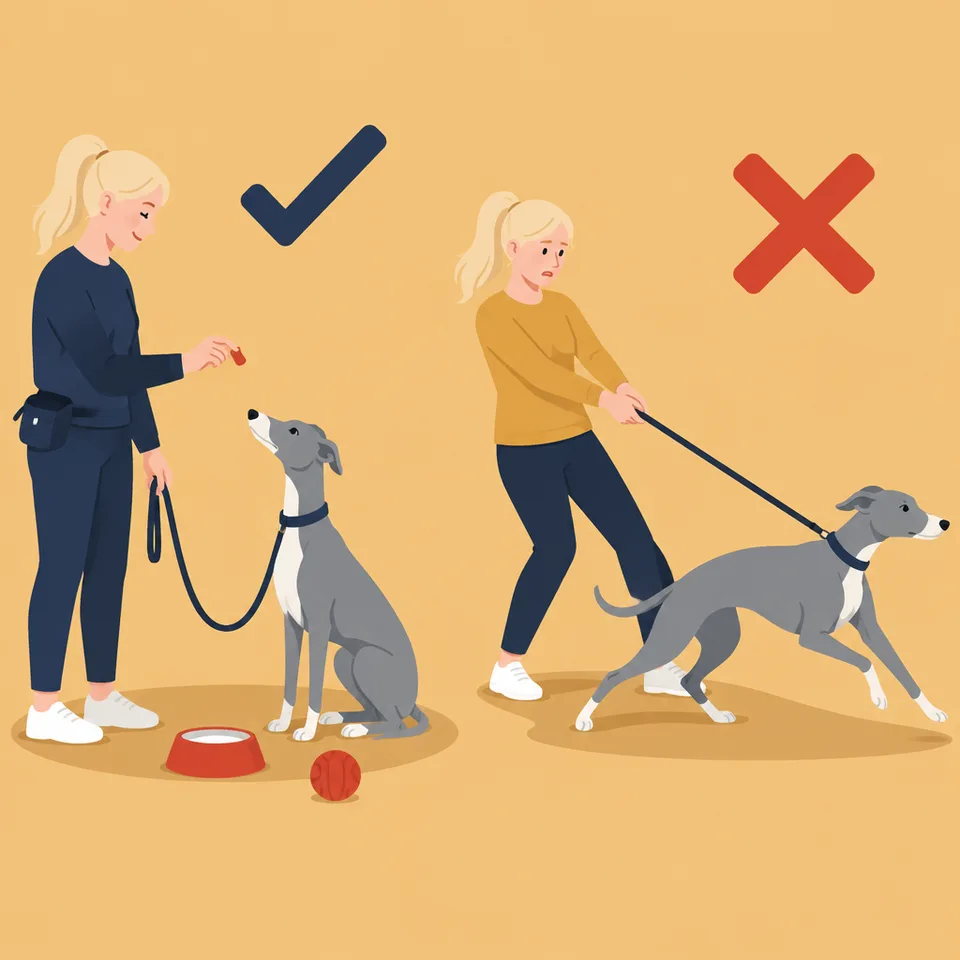
Keep training short and rewarding
Adolescence is a reason to keep training, not to give up on it.
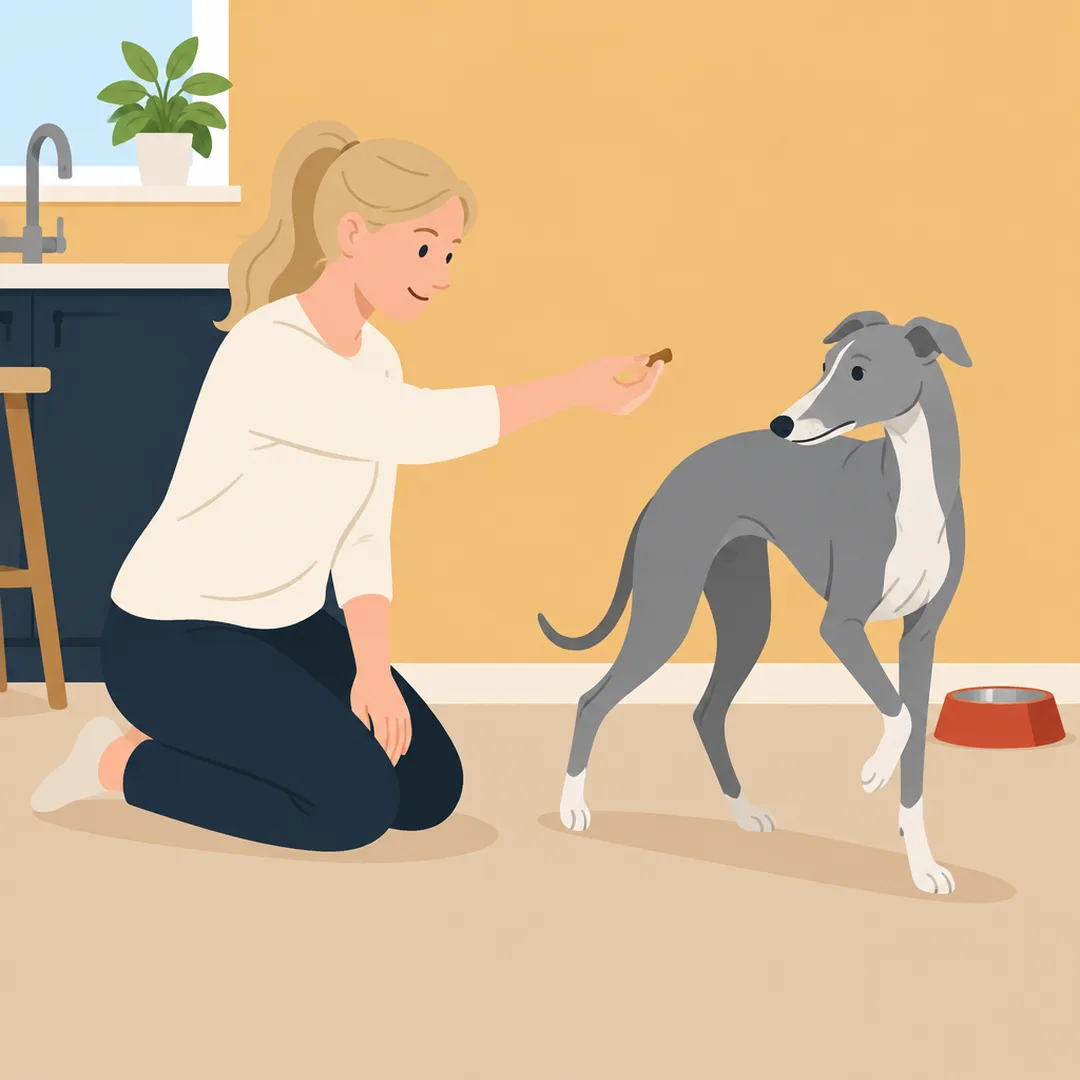
- Reward well and often. You may have to double down on training, using positive reinforcement only, and improve either the frequency or the value of the rewards.
- Say it the same way every time. By teaching new commands clearly and staying consistent, you can minimize the effects of adolescence on your training.
- Catch slow responses early. Address it immediately instead of waiting until they won't do the command at all.
- Change the picture. The same commands in the same places at the same time of day make a dog bored.
- Give your dog physical and mental work every day.
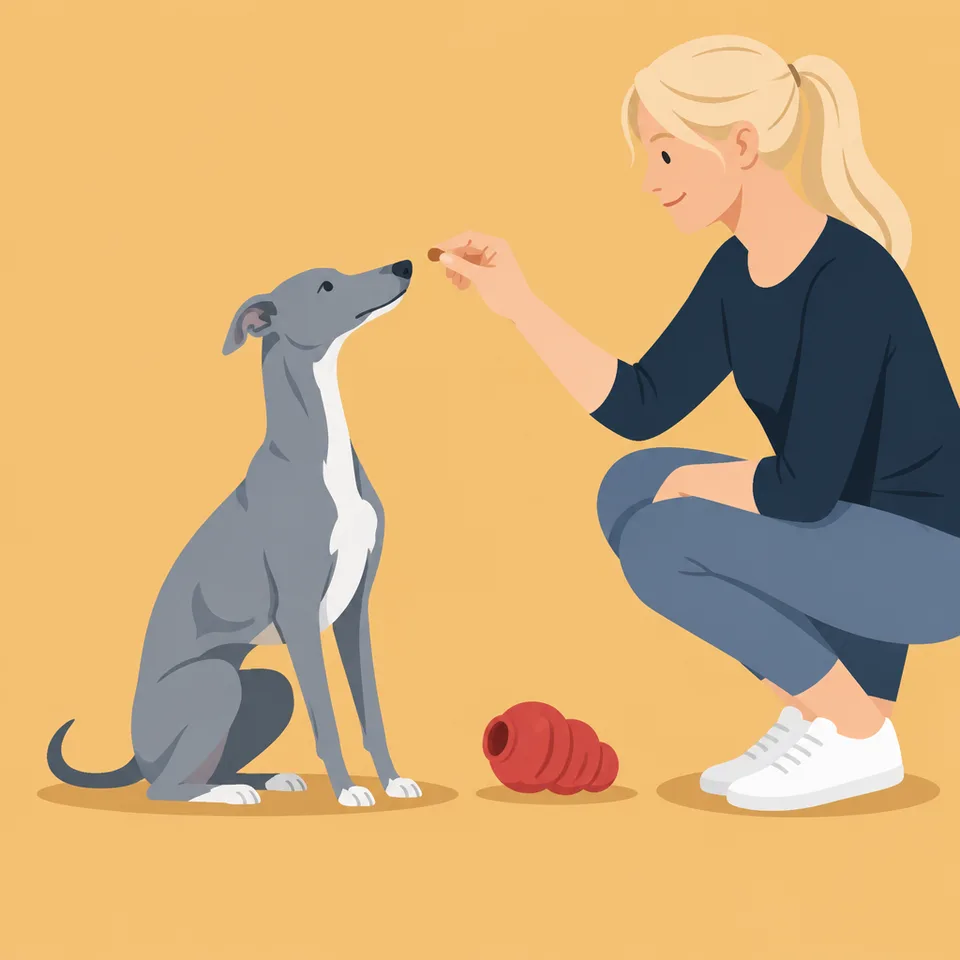
Give your dog space and choice
If your dog has become more nervous or doesn't enjoy spending time with others during their adolescence, it's important not to force them to play or interact. Not all dogs love the company of other dogs. Giving them time and space helps them work out what company they enjoy.
When to get help
Many behaviour problems get worse over time so getting help early is key. If any of these issues are ongoing or are causing serious problems, speak to your vet and an accredited behaviourist.
Your vet can check your dog over and rule out health conditions behind a change. If your dog isn't spayed or neutered, this is also a good time to revisit the topic with your veterinarian, as some of these behaviors may be hormone-driven.
Key points
- The teenage brain is still developing: the prefrontal cortex often matures between about 2.5 and 3.5 years.
- Losing obedience is normal: the world is often more interesting than you are.
- Expect hormone-driven changes such as marking, roaming and mounting, plus social changes such as guarding and less interest in other dogs.
- Consistency in rules, routines, exercise and enrichment beats correction every time.
- Reward well and often, vary your sessions, and get help early if problems are serious.