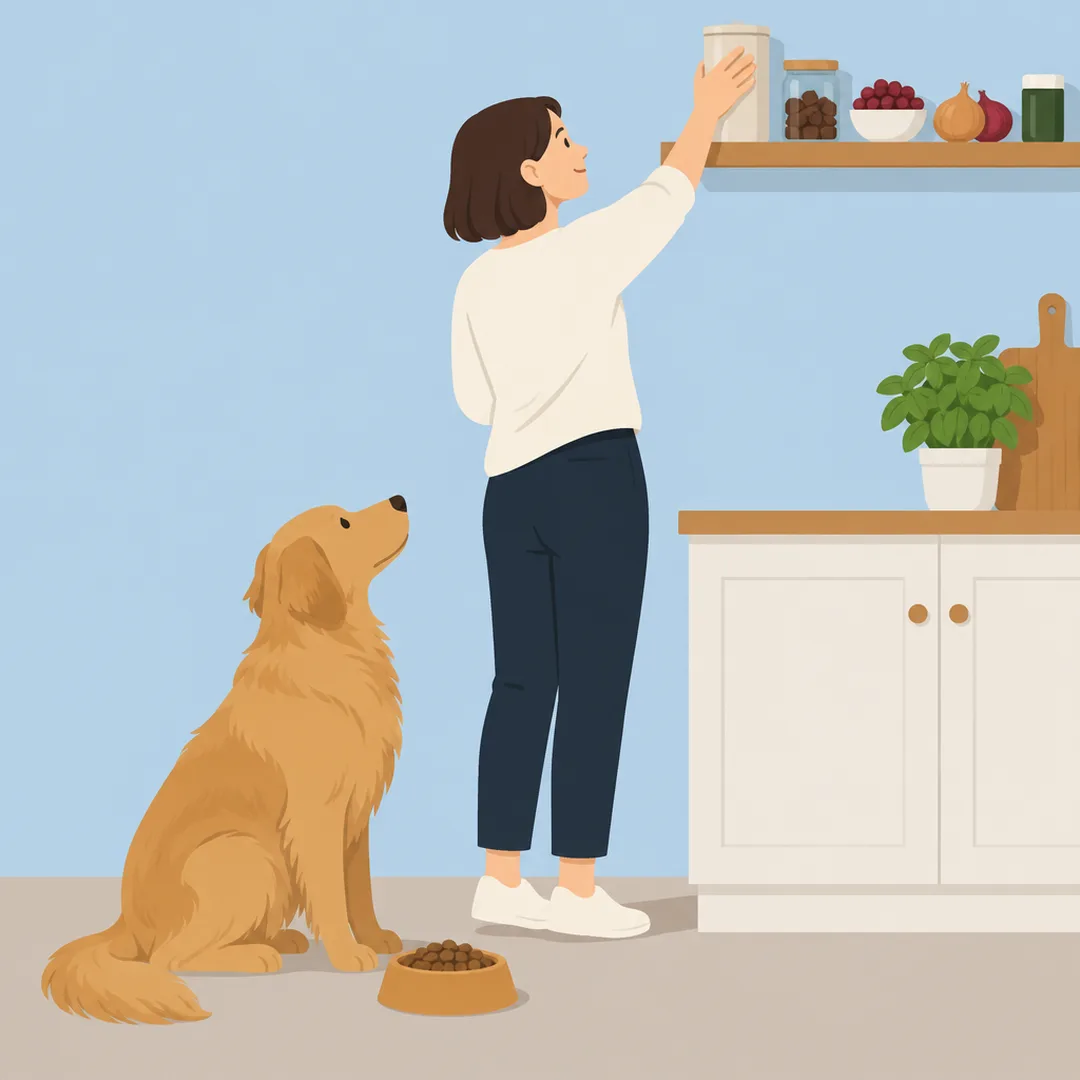
Health red flags: when to call the vet now
Some signs cannot wait until morning. A plain list of emergencies, problems to call about today, and what to watch, so you know when to act fast.
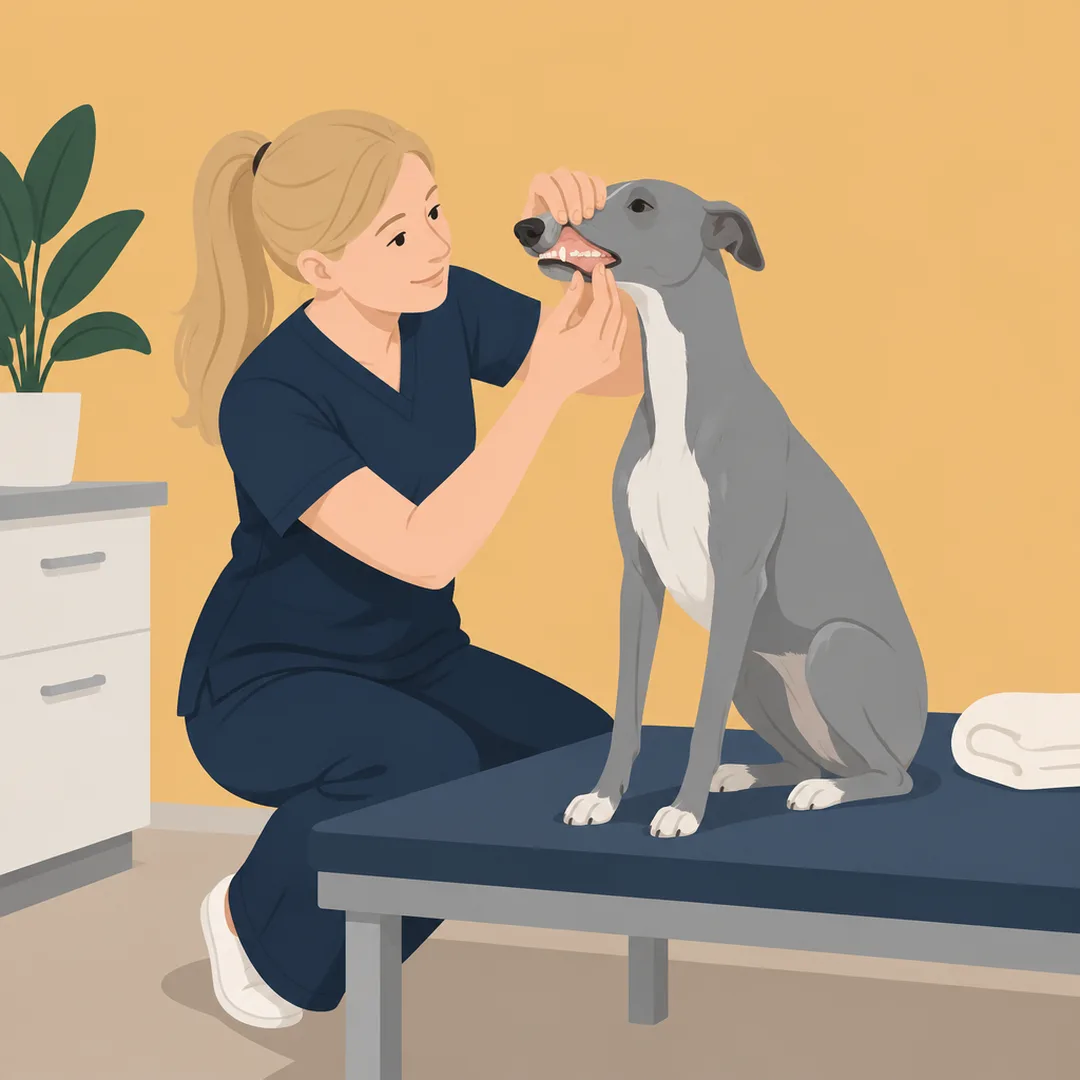
Dogs are good at hiding illness, and some emergencies get worse in minutes. This guide does not diagnose anything. It helps you decide how fast to act. If you are unsure, call your vet: they would much rather hear from you early. Save your vet's number and your nearest 24-hour emergency clinic in your phone today.
Call your vet or emergency clinic now
Go straight in, or phone on the way, if you see any of these:
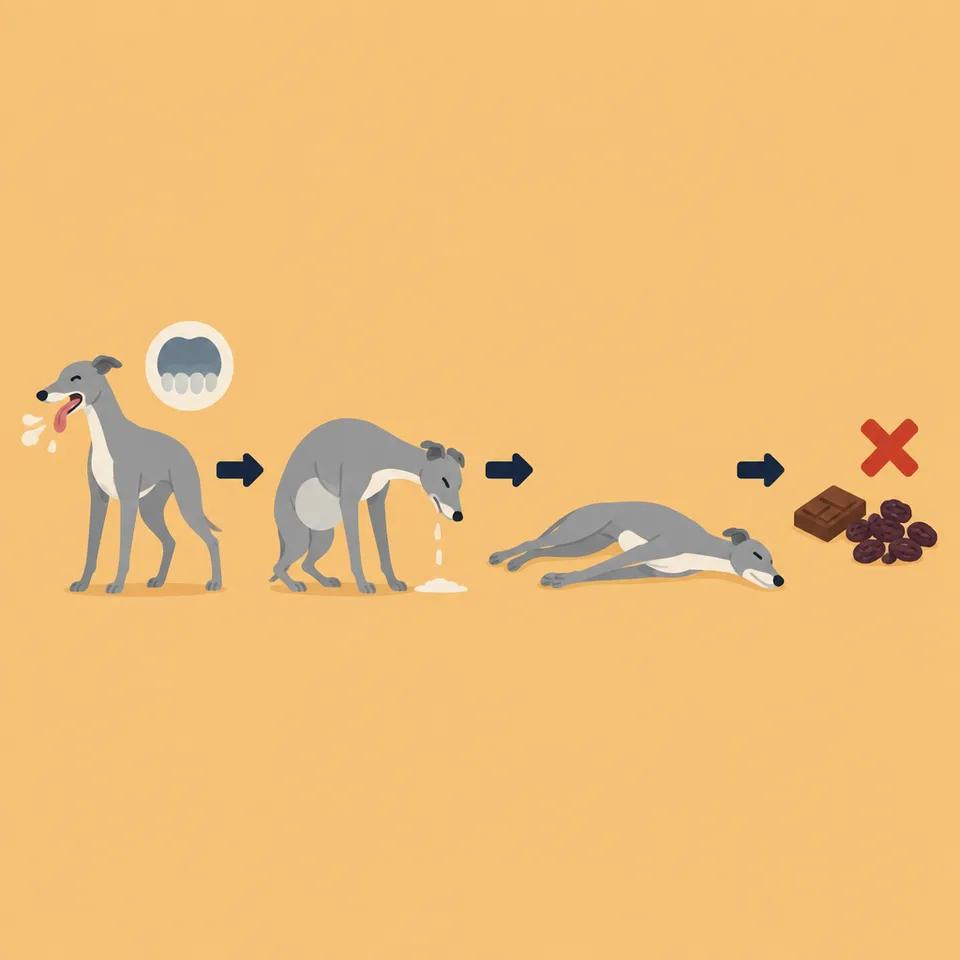
- Trouble breathing: struggling, noisy or very fast breathing at rest, open-mouth breathing in a dog that has not been exercising, or blue, grey or very pale gums.
- Retching without bringing anything up, with a swollen or tight belly, drooling or restlessness. This can be bloat (GDV), where the stomach fills and twists. The ACVS calls it life-threatening; deep-chested large breeds are most at risk.
- Collapse, fainting, sudden weakness or being unable to stand.
- A seizure lasting more than 3 to 5 minutes, or several seizures in a row, or a first ever seizure.
- Eating or touching something toxic: chocolate, grapes or raisins, xylitol (sugar-free gum), human medicines, rat or slug bait, antifreeze. Call even if your dog seems fine. See the toxic foods article.
- Heatstroke signs: heavy panting, drooling, bright red or dark gums, wobbliness, vomiting, collapse after heat or exercise. Start cooling with cool (not ice-cold) water while someone calls the vet.
- Bleeding that does not stop after 5 minutes of firm pressure, or blood in vomit, from the rectum or in large amounts in the stool.
- Major trauma: hit by a car, a fall, a dog fight, even if your dog looks fine. Internal injuries can show later.
- Straining to pee with little or nothing coming out.
- Sudden severe pain: crying out, hunched back, refusing to move, trembling, or snapping when touched.
- A swollen face, hives or vomiting soon after a sting, vaccine or medicine.
- Labour problems: strong straining for 30 minutes without a puppy, or more than 2 hours between puppies.
- Eye injuries or a suddenly bulging, cloudy or painful eye.
- Severe or repeated vomiting or diarrhoea, especially in puppies, older dogs or small breeds, or with lethargy.
Call your vet today
These need to be seen soon, usually within a day:
- Not eating for more than 24 hours (sooner for puppies and toy breeds).
- Vomiting or diarrhoea more than two or three times, or lasting more than a day.
- Limping that has not improved in 24 hours, or any limp with swelling.
- Head shaking, ear scratching or a smell from the ears.
- Drinking or peeing a lot more than usual.
- A new lump that is growing quickly, bleeding or ulcerated.
- Coughing that does not settle, especially with tiredness.
- Squinting, a red eye or discharge.
- Licking, chewing or scooting at one area constantly.
- Behaviour changes: hiding, grumpiness, confusion, restlessness at night.
Watch and note
Some changes are slow but still matter. Note them and mention them at the next visit, or book one if they continue for a week or two: gradual weight loss or gain, slowing down on walks, stiffness after rest, bad breath, a dull coat or more shedding, and mild changes in appetite. AAHA notes that slowing down, reluctance to jump and changes in posture can be signs of chronic pain rather than "just old age."
Check the gums
Gum colour and refill time are quick checks you can learn while your dog is well.
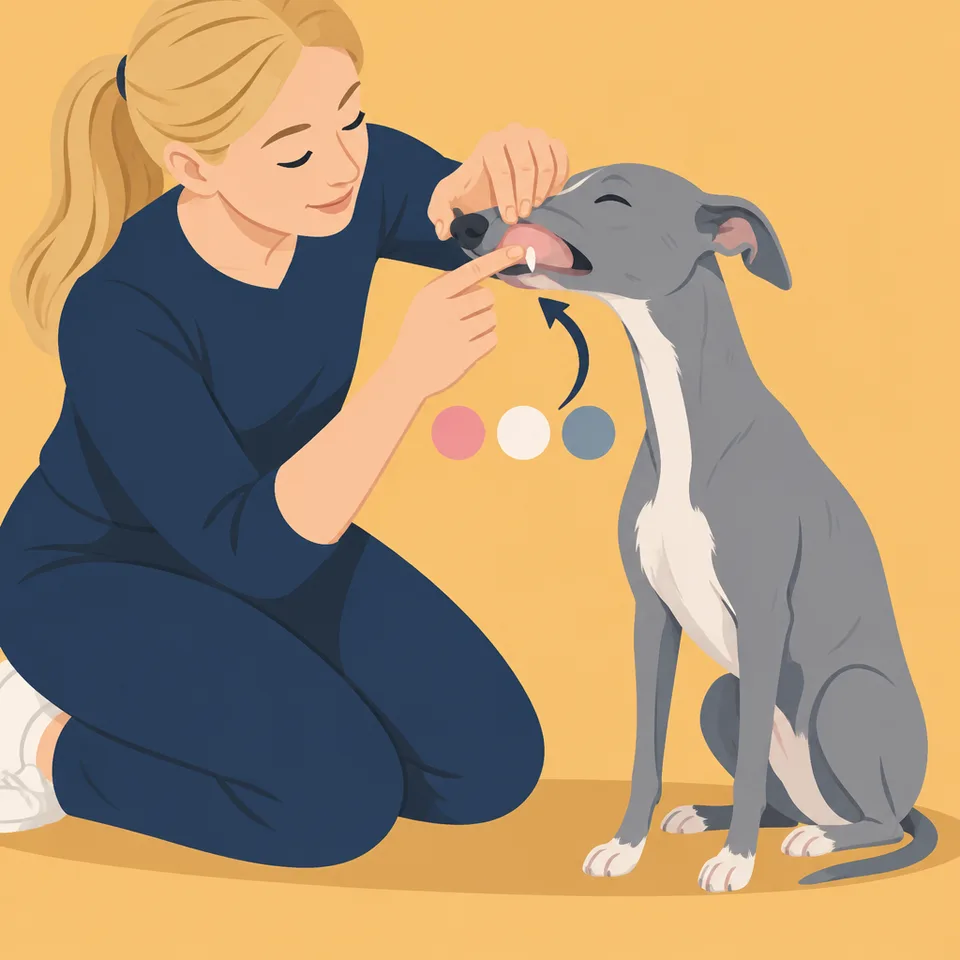
- Lift the upper lip and look at the gum above a canine tooth.
- Healthy gums are pink and moist (some dogs have dark pigment; check a pink patch or the inner eyelid).
- Press a fingertip on the gum until it goes pale. It should return to pink in under 2 seconds.
- Pale, white, blue, grey, bright red or yellow gums, or slow refill, mean call your vet now.
Know your dog's normal
Write these down on a calm day:
- Breathing rate at rest: count breaths for 30 seconds while your dog sleeps, then double it. The Merck Veterinary Manual gives a normal adult range of roughly 10 to 30 breaths per minute; resting rates that rise are worth reporting.
- Heart rate: feel inside the back thigh. Small dogs run faster than large ones.
- Temperature: normal is about 38 to 39.2°C (100.5 to 102.5°F), taken rectally with a lubricated digital thermometer.
- Weight, eating and drinking habits and how far they usually walk.
On the way to the vet
- Phone ahead so the team can get ready.
- Bring any packaging, plant or product your dog ate.
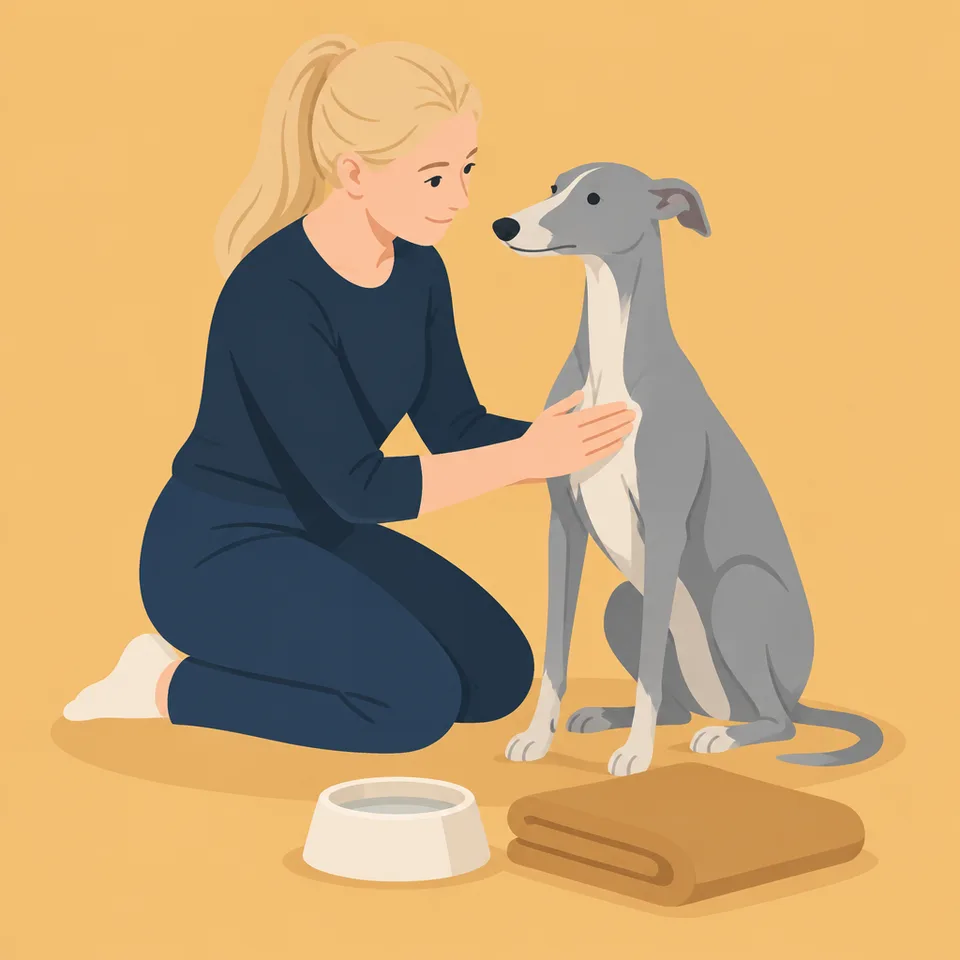
- Move an injured dog carefully, on a board or blanket. A dog in pain may bite, even a gentle one, so keep your face away.
- Do not give human pain medicines. Ibuprofen, naproxen and paracetamol (acetaminophen) can be dangerous for dogs.
- Do not try to make your dog vomit unless a vet or poison line tells you to.
Small and large dog notes
- Toy breeds and young puppies have small reserves. Vomiting, diarrhoea or skipped meals can lead to dehydration and low blood sugar quickly. Act sooner.
- Large and giant breeds, especially deep-chested ones like Great Danes, Standard Poodles and German Shepherds, are at higher risk of bloat. Unproductive retching in these dogs is always urgent.
- Flat-faced breeds struggle in heat and with breathing. Noisy breathing that gets worse, or any heat stress, needs fast action.
Key points
- Breathing trouble, unproductive retching with a swollen belly, collapse, toxins and heatstroke are emergencies: call now.
- Pale, blue, grey or very red gums, or refill over 2 seconds, mean go now.
- Not eating for a day, limping over 24 hours or repeated vomiting need a call today.
- Know your dog's normal breathing, temperature and weight.
- When unsure, call. Never give human medicines.
When to call the vet
Any sign in the "call now" list means phone your vet or emergency clinic immediately. Signs in the "call today" list need a call the same day. Anything that worries you, even if it is not listed, is worth a call.
This is general guidance, not veterinary advice. If you're worried about your pet, call your vet.